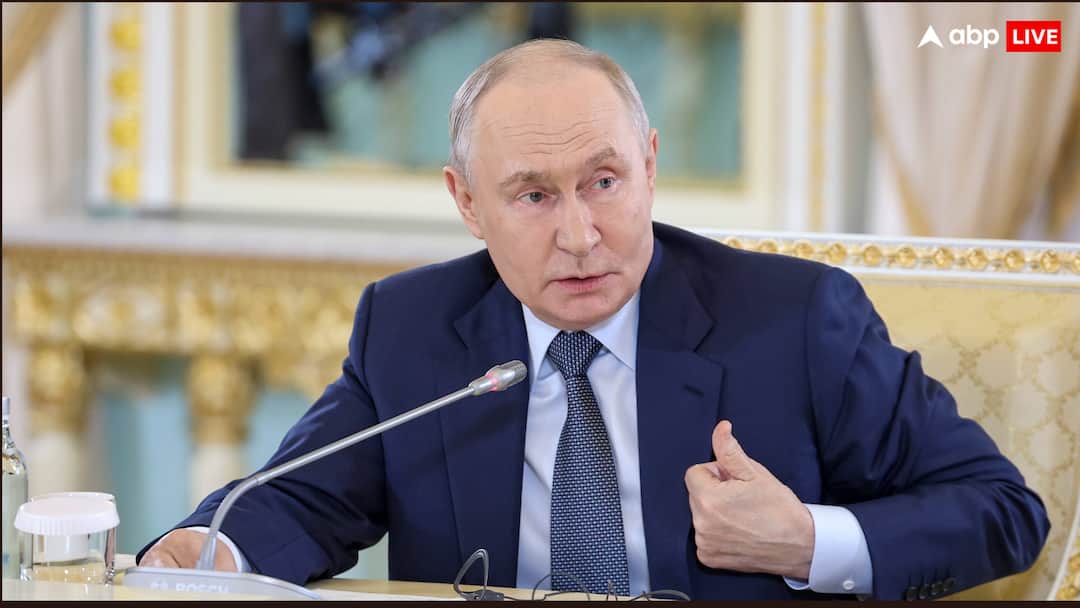
- US intelligence warns Russia may escalate hybrid actions into NATO.
- Recent drone, missile incursions highlight Russia’s hybrid tactics.
- Heavy Ukraine losses may prompt Russia to test NATO.
- NATO remains vigilant, preparing for increasing Russian deniable operations.
US intelligence agencies believe Russian President Vladimir Putin could be increasingly willing to authorise actions that cross into NATO territory, raising concerns in Washington and European capitals about a potential new phase in Moscow’s confrontation with the Western alliance.
American officials familiar with the intelligence assessment told CBS News that Russia’s next moves may not necessarily involve conventional military attacks. Instead, Moscow could rely more heavily on hybrid operations, including cyberattacks, sabotage and covert activity that can be denied or kept below the level that would automatically trigger an open military response.
The assessment suggests that Putin may be testing NATO’s political cohesion and, in particular, seeking to determine how the Trump administration would react if an allied country came under attack.
Russian Hybrid Tactics Raise Alarm Across Europe
One incident contributing to the growing concern occurred this week in Leipzig, Germany, where authorities discovered a drone carrying explosives at an airport. US officials have linked the device to Russia, adding another potential warning sign for Western security agencies.
The incident follows several other developments that have heightened fears about Russian activity around NATO’s borders. Romanian airspace has experienced drone incursions, while a Russian missile reportedly crossed into Poland last month. European governments have also been investigating a series of suspected acts of sabotage and cyberattacks believed to be connected to Moscow.
NATO Secretary General Mark Rutte has repeatedly warned that Russia’s use of hybrid tactics is becoming more aggressive. In December, Rutte said, “we are Russia’s next target, and we are already in harm’s way,” while warning that Moscow could potentially be prepared to launch military action against NATO “within five years.”
The latest US intelligence assessment indicates that the danger could extend beyond conventional battlefield calculations, with Russia potentially using deniable operations to gauge how far it can push the alliance.
ALSO READ: ‘National Security Threat’: Trump Vows SC Challenge After Appeals Court Blocks White House Ballroom
Russia Faces Mounting Battlefield Losses
The assessment comes as Russian forces continue to sustain significant casualties in their war against Ukraine.
CIA Director John Ratcliffe told a defence forum last month that US intelligence estimates broadly correspond with publicly available battlefield figures. According to those estimates, newly deployed Russian soldiers can sometimes remain in combat for only 20 to 30 minutes before being killed or wounded, with Ukrainian attack drones playing a major role in the high casualty rate.
US officials estimate that Russia is losing approximately 30,000 troops each month, or between 5,000 and 7,000 each week. The reported pace of casualties is said to be greater than Russia’s rate of recruitment.
At the same time, diplomatic efforts aimed at ending the Ukraine conflict have failed to generate meaningful progress. American-backed attempts to bring the two sides towards negotiations have stalled, leaving little indication of an imminent settlement.
The CIA declined to comment on the latest intelligence assessment. NATO had also not responded to a request for comment when the report was published, while CBS News sought a response from the Russian Embassy in Washington. The Wall Street Journal was the first to report the intelligence findings.
ALSO READ: Trump Renews Push To Fire Fed Governor Lisa Cook, Escalating Attack On US Central Bank
NATO Prepares For Multiple Scenarios
US and NATO officials are reportedly considering the possibility that Putin could take greater risks against the alliance if Moscow struggles to find a way out of the Ukraine conflict while avoiding what it sees as a politically damaging outcome.
The assessment covers a potentially lengthy period, with officials reportedly examining the possibility of Russian escalation between now and the coming years.
Martin O’Donnell, a senior NATO military spokesperson, declined to address classified intelligence directly but said the alliance remains prepared for a wide range of potential developments.
“NATO is watching and we are ready to deter and defend as necessary, which we continue to demonstrate,” O’Donnell said, adding that the alliance is “always thinking through and preparing for any number of scenarios.”
Drone Incidents Put NATO Borders Under Scrutiny
Concerns about Russian activity spilling into NATO territory are not entirely new. In May, an explosive-laden drone struck an apartment building in Romania during a Russian attack targeting a Ukrainian port nearby. Two people were injured in that incident.
A more serious episode occurred last September, when NATO fighter aircraft shot down several Russian drones after they entered Polish airspace during a Russian assault on Ukraine.
The latest German airport incident has added another layer to the security concerns. A US defence official in Europe told CNN that the drone discovered at the airport overnight Wednesday had been connected to a Russian intelligence service and contained military-grade explosives.
Airport personnel reportedly found the device inside an area used for secure cargo operations.
Taken together, the incidents are reinforcing concerns among US and European officials that Moscow may increasingly use covert or deniable operations to test NATO’s response. Any such escalation could put the alliance’s unity and Washington’s willingness to defend its European partners under renewed scrutiny.
Before You Go
Delhi-NCR Rain Fury: 127mm Rain in 7 Days, Severe Waterlogging Brings City to a Halt
Disclaimer : This story is auto aggregated by a computer programme and has not been created or edited by DOWNTHENEWS. Publisher: abplive.com