
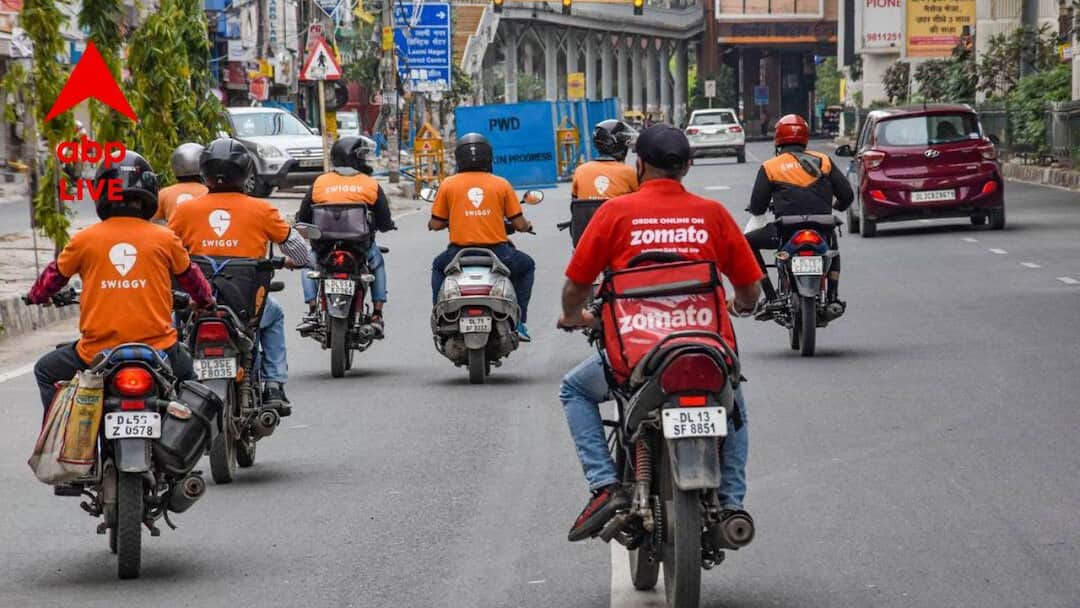
- Maharashtra plans regulating app-based delivery and e-commerce platforms.
- Proposed rules include EV fleets, driver welfare, GPS tracking.
- Platforms might contribute 2% of fares for driver welfare.
Ordering dinner, getting groceries delivered in minutes or booking a ride may feel like three completely different services. In Maharashtra, however, the government is reportedly considering a regulatory framework that could bring some app-based delivery and e-commerce platforms under the state’s bike-taxi rules.
If the proposal goes through, platforms such as Swiggy, Zomato and Zepto, along with other delivery businesses, could face new requirements around electric vehicles, insurance, GPS tracking and driver welfare contributions, reported The Indian Express.
For delivery workers, the changes could have a more direct financial impact, particularly if the proposed welfare fund translates into pension support, accident insurance, EV purchase loans and education assistance for their children.
Why Delivery Platforms Could Come Under The Bike-Taxi Framework
The proposed amendments would expand the definition of businesses covered by the state’s bike-taxi framework to include what the transport department calls “delivery service providers”.
These would be entities that own or operate vehicle fleets to transport products, parcels and packages. That could bring food delivery and quick-commerce platforms such as Swiggy, Blinkit, Zomato and Zepto within the proposed regulatory structure.
At present, these businesses are primarily governed by central laws and rules, including the Consumer Protection Act, 2019, the Consumer Protection (E-Commerce) Rules, 2020, and the Code on Social Security, 2020.
The Maharashtra proposal would therefore give the state a more direct regulatory role over these app-based delivery operations.
A 2% Contribution Could Create A New Safety Net For Drivers
One of the most significant proposals from a personal finance perspective is a proposed contribution towards a driver welfare fund.
Under the proposed rules, platforms could be required to contribute 2 per cent of the fare from each ride to the fund.
The money is proposed to be used for benefits including pension support, accident insurance, loans to purchase EVs and education assistance for drivers’ children.
For workers whose income depends on app-based deliveries, these benefits could potentially address some of the financial risks associated with gig work. However, the proposal is still under consideration and the final rules will determine how the system operates.
Also Read : Smart Borrowing Guide: How To Manage EMIs, Credit Cards And Loans Responsibly
EV Fleet Could Change The Economics Of Delivery Work
The proposed framework also focuses heavily on electrification.
If approved, relevant aggregators could be required to operate electric vehicle-only fleets, while also complying with requirements covering GPS tracking, driver insurance and fares prescribed by the Regional Transport Authority.
For delivery workers, a shift towards EVs could also change the economics of working for an app. The proposal specifically includes loans for purchasing EVs as one of the potential uses of the proposed welfare fund.
The rules would also require covered platforms to obtain a unique licence identification number.
Maharashtra Transport Minister Pratap Sarnaik confirmed that the transport department had proposed the amendments, the news organisation reported. He said vehicles operating on trips of less than 15 km would fall within the policy, with EV and other compliance requirements applying to relevant aggregators if the amendments are approved.
What Happens To The Money Paid By Consumers?
For customers, the important question will be whether additional compliance costs eventually influence delivery charges or other fees.
The proposal itself does not say that customers will have to pay a separate welfare charge. Instead, the proposed 2 per cent contribution would come from the fare paid to the driver/platform transactio* under the framework.
Any eventual impact on delivery charges, platform fees or other consumer costs would depend on how companies respond to the additional regulatory requirements. The current proposal does not establish that prices will rise.
Maharashtra Wants More Visibility Over App-Based Fleets
Another major element of the proposal is monitoring.
The framework draws on the Maharashtra Motor Vehicle Aggregator Rules, 2026, which provide for a dedicated portal developed by the State Transport Commissioner to monitor vehicles operating on bike-taxi platforms in real time.
If similar monitoring is extended to delivery services, authorities could have greater visibility over vehicles and drivers working for app-based platforms.
Citing transport department officials, the reported noted that the proposed changes are aimed at bringing delivery and e-commerce platforms within a framework that would allow the state to monitor their operations and improve accountability in cases involving disputes or passenger grievances.
Also Read : Rs 146 Crore Pension Transfer: Here’s Who Got The July Instalment In Uttarakhand
Proposal Is Still Under Legal Scrutiny
The changes are not yet final.
The proposal has been sent to the state Law and Judiciary department for scrutiny. Its implementation will depend on the outcome of that process and subsequent approval.
The move follows an announcement by Sarnaik in the state Legislative Assembly last month that bike-taxi drivers would be required to have domicile certificates and government-issued public service vehicle badges. The government has said the broader changes are intended to create employment opportunities for local youth.
Other States Have Already Moved On Fleet Electrification
Maharashtra’s proposal comes as other states have also introduced regulations aimed at increasing the use of electric vehicles among delivery and ride-aggregator fleets.
The Delhi Motor Vehicle Aggregator and Delivery Service Provider Scheme, 2023 provides for phased electrification of such fleets. Haryana has also introduced provisions for gradual electrification of delivery and ride-aggregator vehicles under the Haryana Motor Vehicles (Amendment) Rules, 2026.
However, the frameworks in Delhi and Haryana do not include a welfare-fund contribution equivalent to the 2 per cent levy proposed in Maharashtra.
Disclaimer : This story is auto aggregated by a computer programme and has not been created or edited by DOWNTHENEWS. Publisher: abplive.com






