
Longest serving volunteer helps boost bird numbers
-
Published
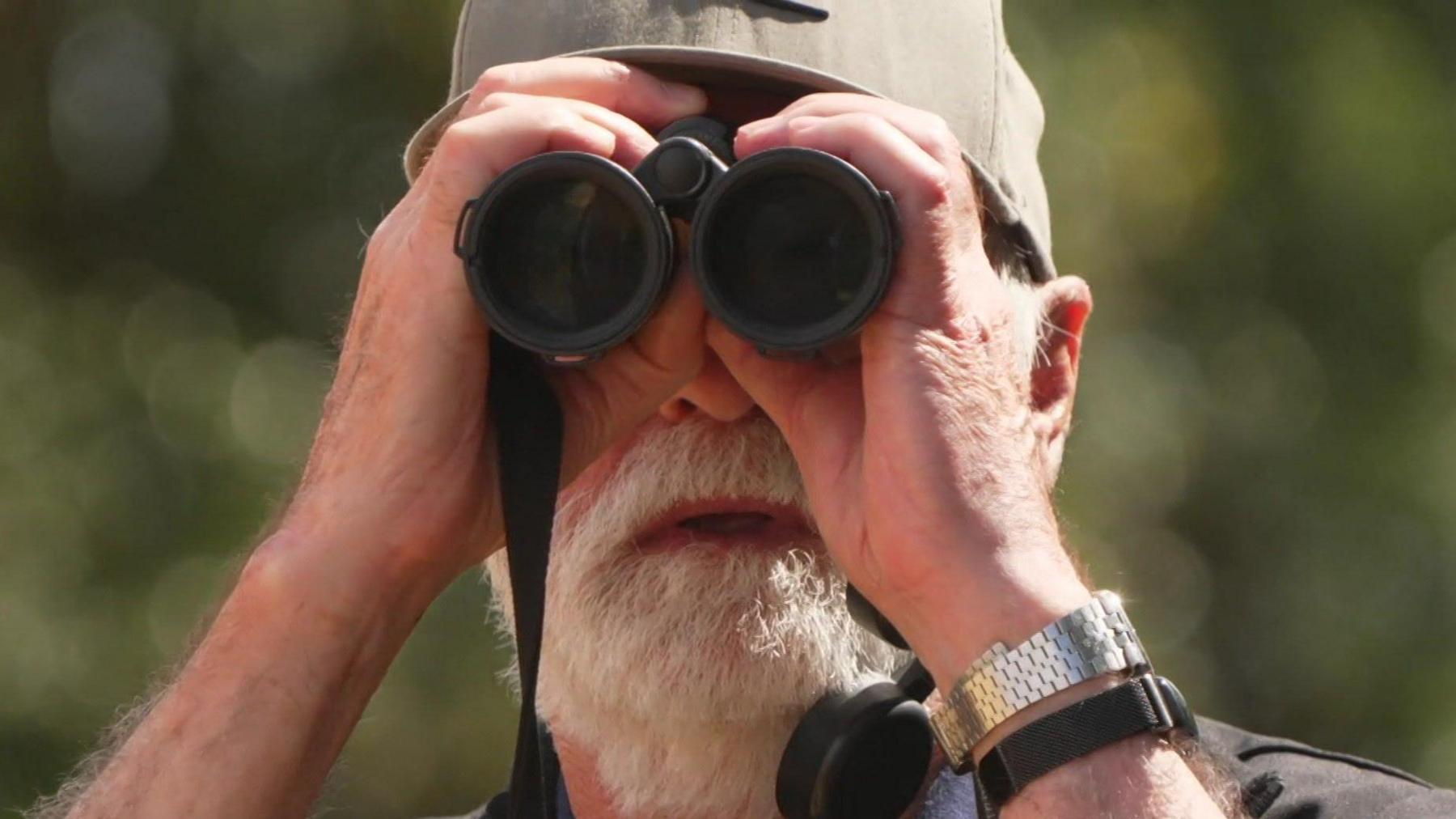
A wildlife charity’s longest serving volunteer has dedicated 60 years of his life to bird conservation.
Nigel Hewitt first volunteered with the RSPB in1966 during a break from studying for his A levels when he helped to protect ospreys.
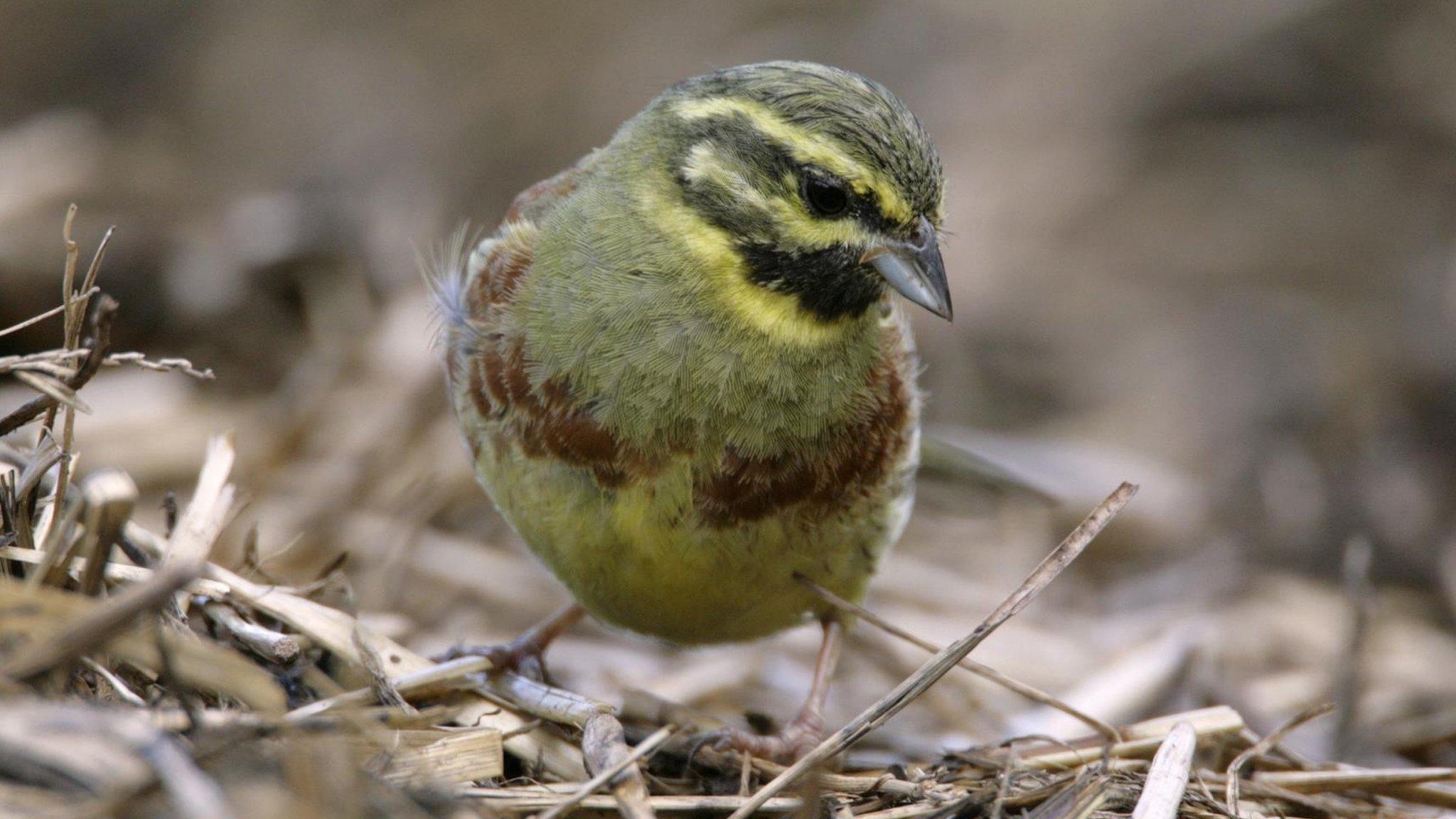
Hewitt, 77, has a special place in his heart for the cirl bunting, which was almost lost in the UK, and had helped manage their habitats at the Labrador Bay and Ashill nature reserves in Devon while also being involved in the red-backed shrike project on Dartmoor.
Fellow birder John White said: “His knowledge is unbounded. He loves it. He’ll talk for ever about birds.”
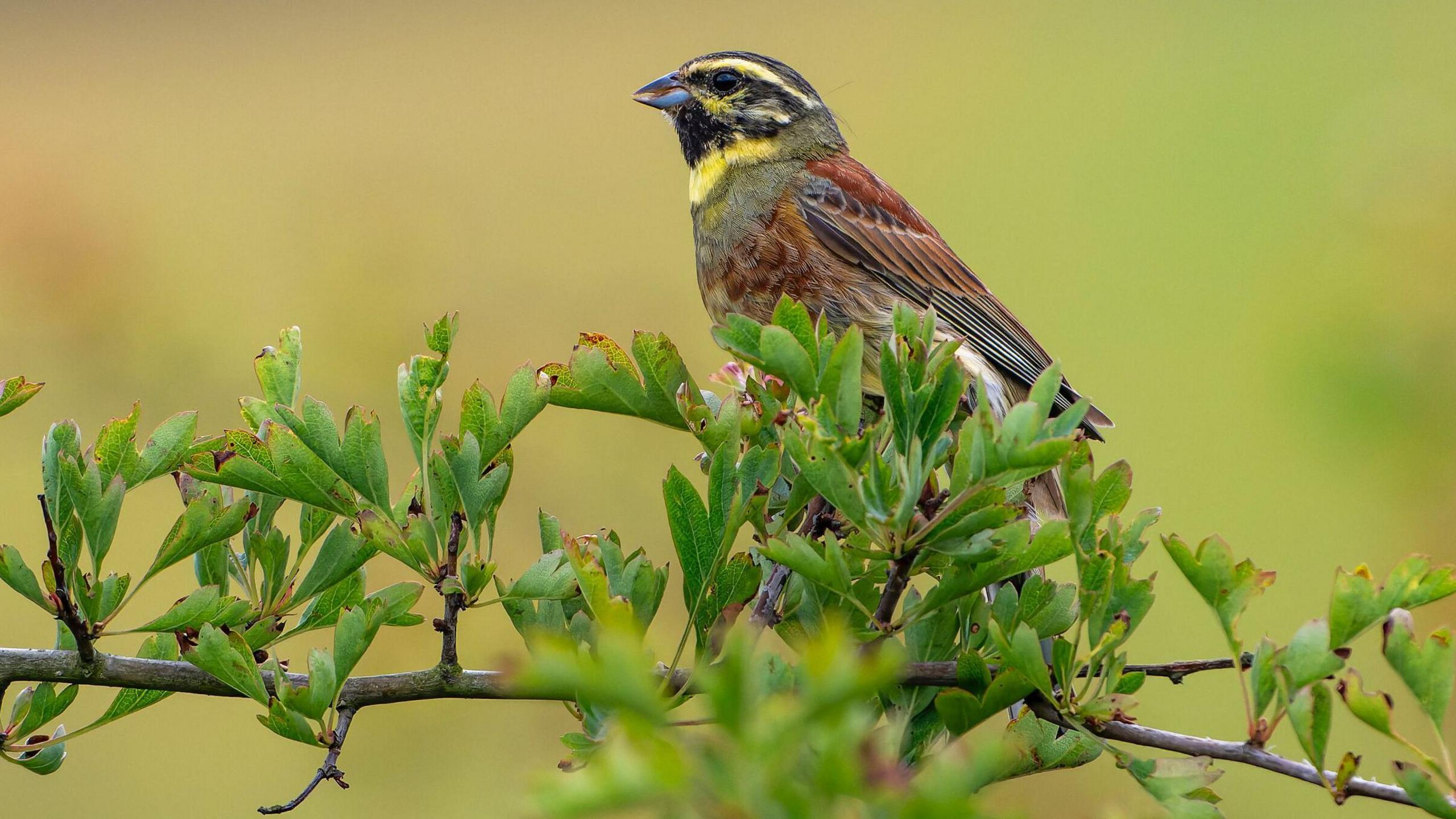 Image source, Les Cater
Hewitt showed the BBC around the reserve at Ladrador Bay near Shaldon and said the small finch-like cirl buntings, which were once common on farmland on southern England but are now on the conservation red list, “don’t want to be very obvious”.
He added: “They just want to quietly get on with producing young, feeding them in the nest and not being seen.”
More than 1,000 pairs were recorded in the last national survey in 2016 and they are mainly found in south Devon, with a reintroduced population in Cornwall, the RSPB said.
Hewitt said: “They’re a great little bird. Because we’re saving this place specifically for cirl buntings, we’re also creating habitat for lots of other birds.”
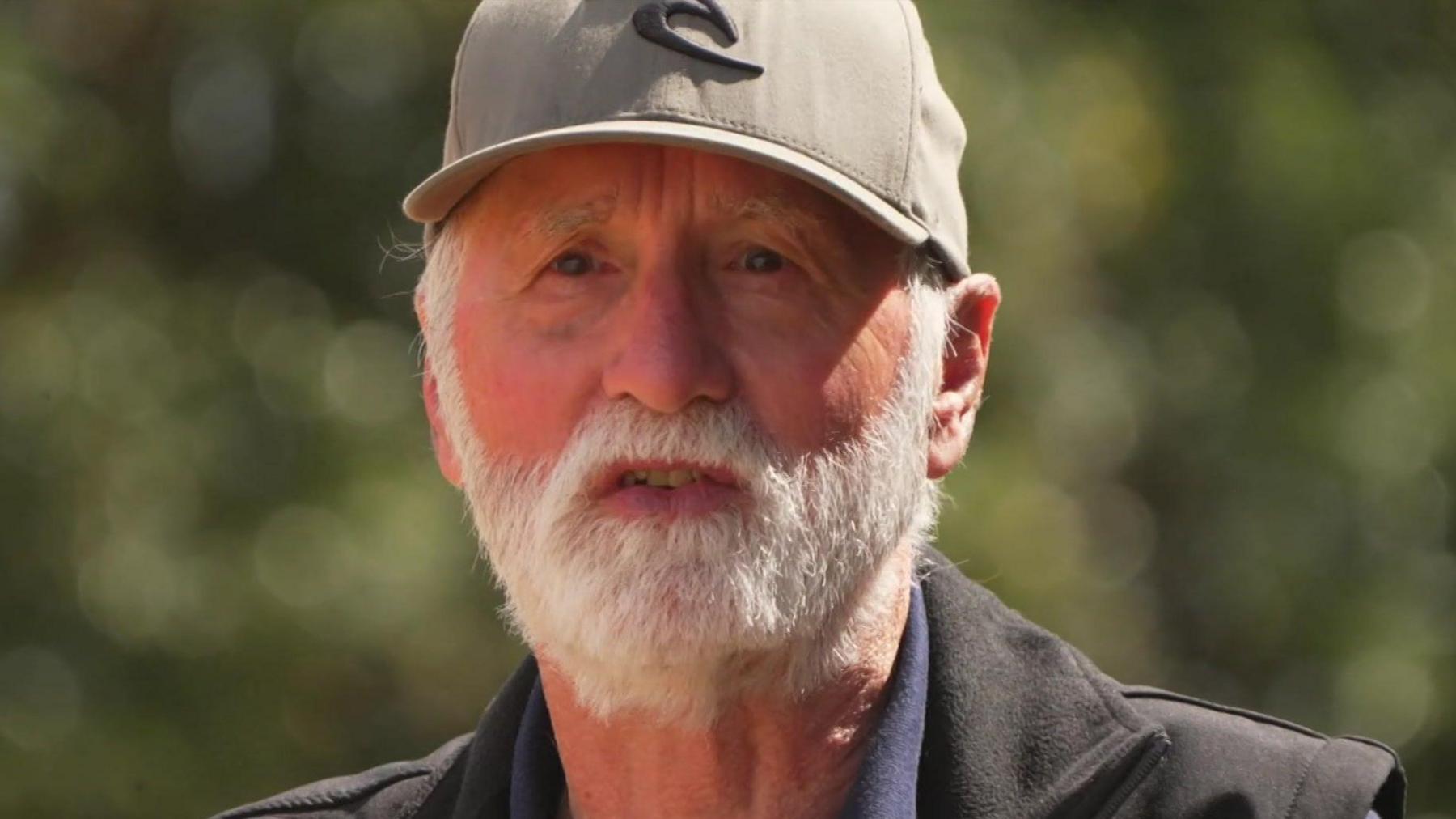
Hewitt said he got the volunteering bug during “a wonderful time” helping Operation Osprey when he helped protect the first pair of ospreys to breed in the UK for more than 100 years.
“We were guarding the ospreys 24 hours a day, so we had schedules where we did different shifts on different days.
“We sat in a hide with telescopes and various hearing systems to protect them.”
“Sadly, there had been numerous attempts by people to chop their nesting tree down and steal the eggs. I thoroughly enjoyed the task, and it was the start of 60 years of volunteering.”
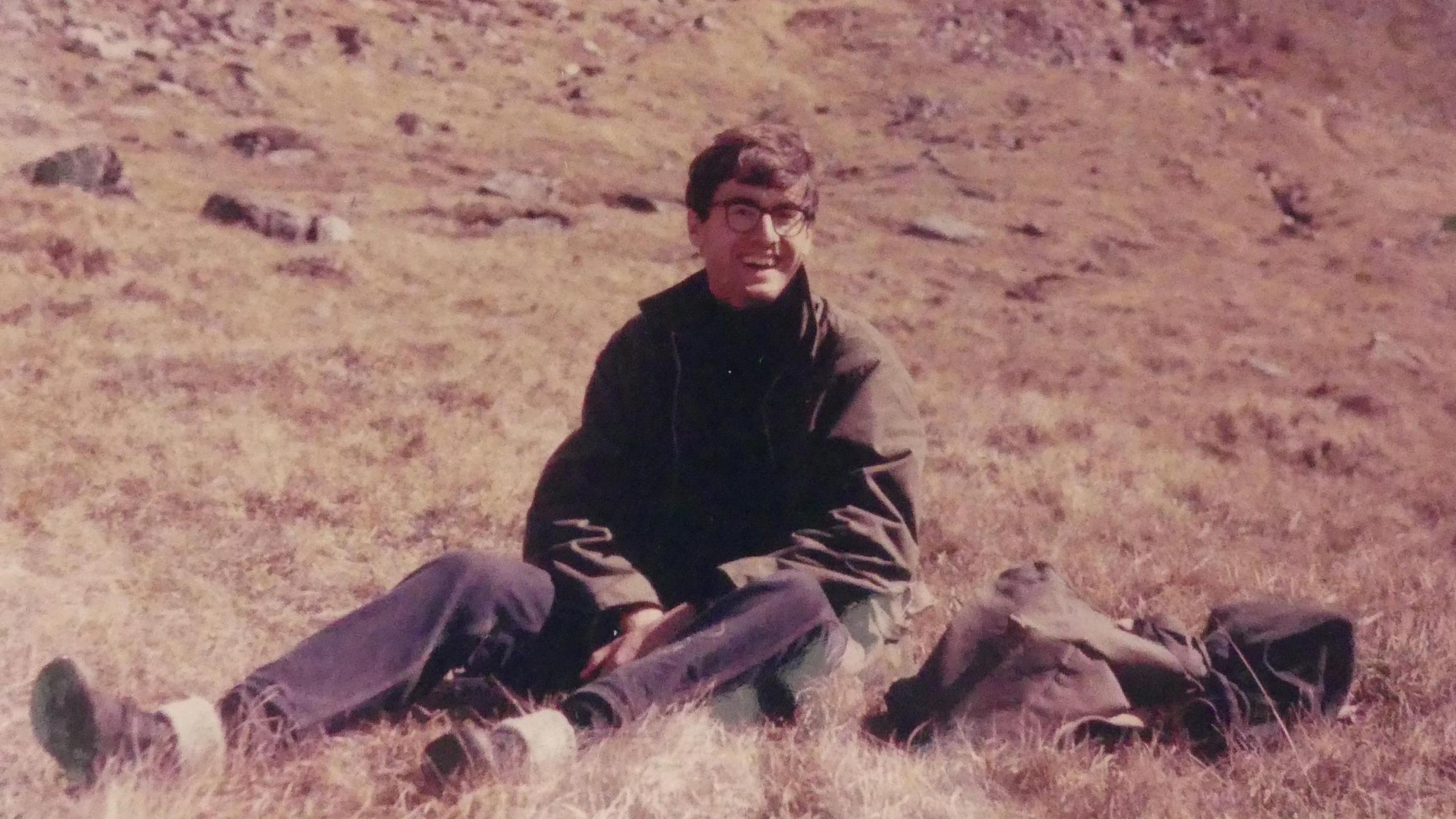 Image source, Nigel Hewitt
Throughout his school holidays and later during a 30-year career with Barclays, he volunteered in a range of roles with the RSPB.
He said: “Maybe I shouldn’t admit this, because you think ultimately people volunteer because they want to do something good or give something back, but for me initially it was the opportunity to get closer to the birds and nature.
“Just being with wildlife, seeing wildlife, understanding wildlife, whether birds, mammals or insects, is mentally very good for me.”
RSPB volunteering development officer Tim Hughes said: “Few individuals can demonstrate such sustained commitment, breadth of impact and enduring legacy as Nigel. “
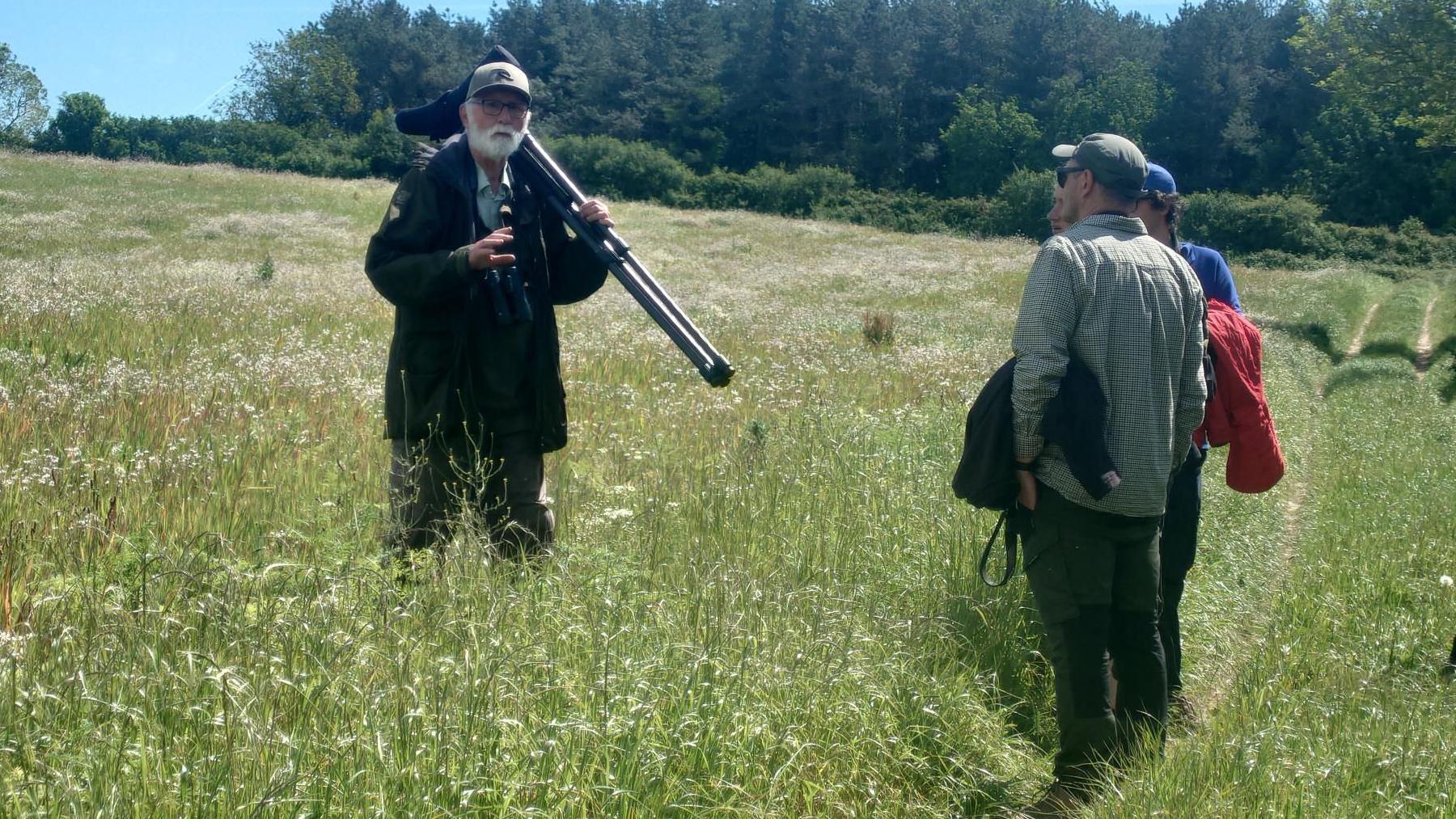 Image source, Toby Taylor/RSPB
Hughes added: “He has helped achieve some of the biggest successes in species recovery, notably for cirl buntings, while also strengthening the volunteer culture across the RSPB through his positive, dependable guidance and expertise.”
Hewitt said: “The pleasure of seeing a bird that you know you’ve done work to protect gives me so much satisfaction.
“You get the chance to just get out and do things. It’s a wonderful chance to give something back to the world.”
He added: “And if I can volunteer for another… well, I won’t do another 60 years, that’s for sure. But David Attenborough is 100, so I could still be pottering around then.”
Follow BBC Devon on X, external, Facebook, external and Instagram, external. Send your story ideas to spotlight@bbc.co.uk, external.
-
-
Published5 days ago
-
-
-
Published29 September 2021
-
Related internet link
Disclaimer : This story is auto aggregated by a computer programme and has not been created or edited by DOWNTHENEWS. Publisher: newsrss.bbc.co.uk




