
A tour around the 10 Gallagher PREM rugby grounds, from venues established in the Victorian era to modern, purpose-built arenas.
PREM Rugby stadiums are a proper mixed bag. A journey fom Exeter Chiefs’ Sandy Park in the south-west to Newcastle Red Bulls’ Kingston Park in the north-east takes in everything from classic venues first used in the Victorian era, to modern, purpose-built arenas.
So, as Bath Rugby announce plans to start long-awaited renovations of their Recreation Ground home at the end of the 2026-27 season, we take a look at the 10 grounds Gallagher PREM teams call home. You’ll find details of their capacities and histories, as well as a few pieces of pub quiz-worthy trivia.
- There’s a massive variety of types of stadium in the Gallagher PREM. Some venues date back to the late 1800s, but others opened their turnstiles for the first time in the 21st century.
- Many of the more traditional grounds are found in town centres, but modern developments are more often found on the outskirts.
- The biggest PREM Rugby stadium is Bristol Bears’ Ashton Gate; the smallest is Newcastle Red Bulls’ Kingston Park.
All you need to know about the 10 Gallagher PREM Rugby stadiums
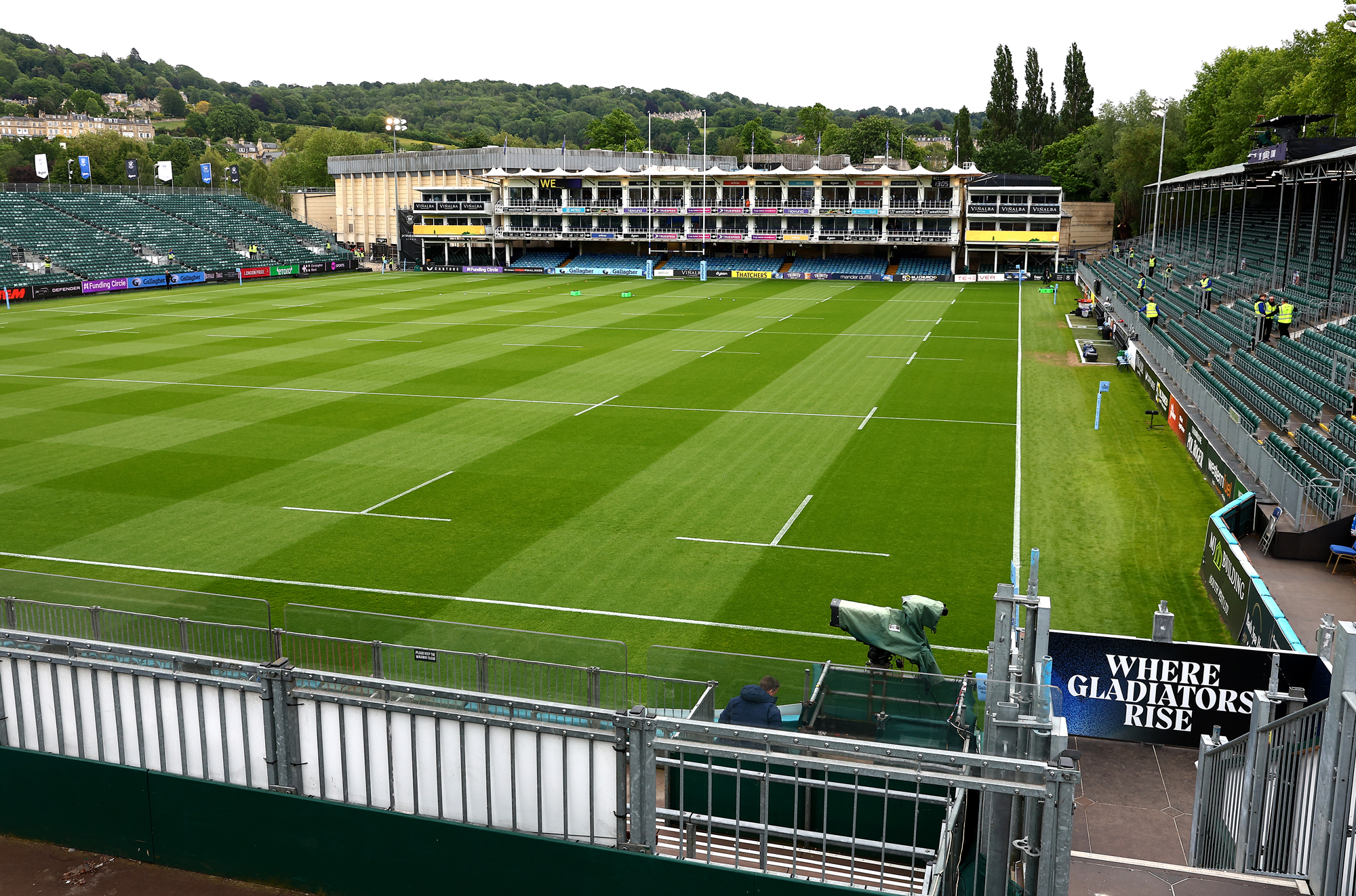
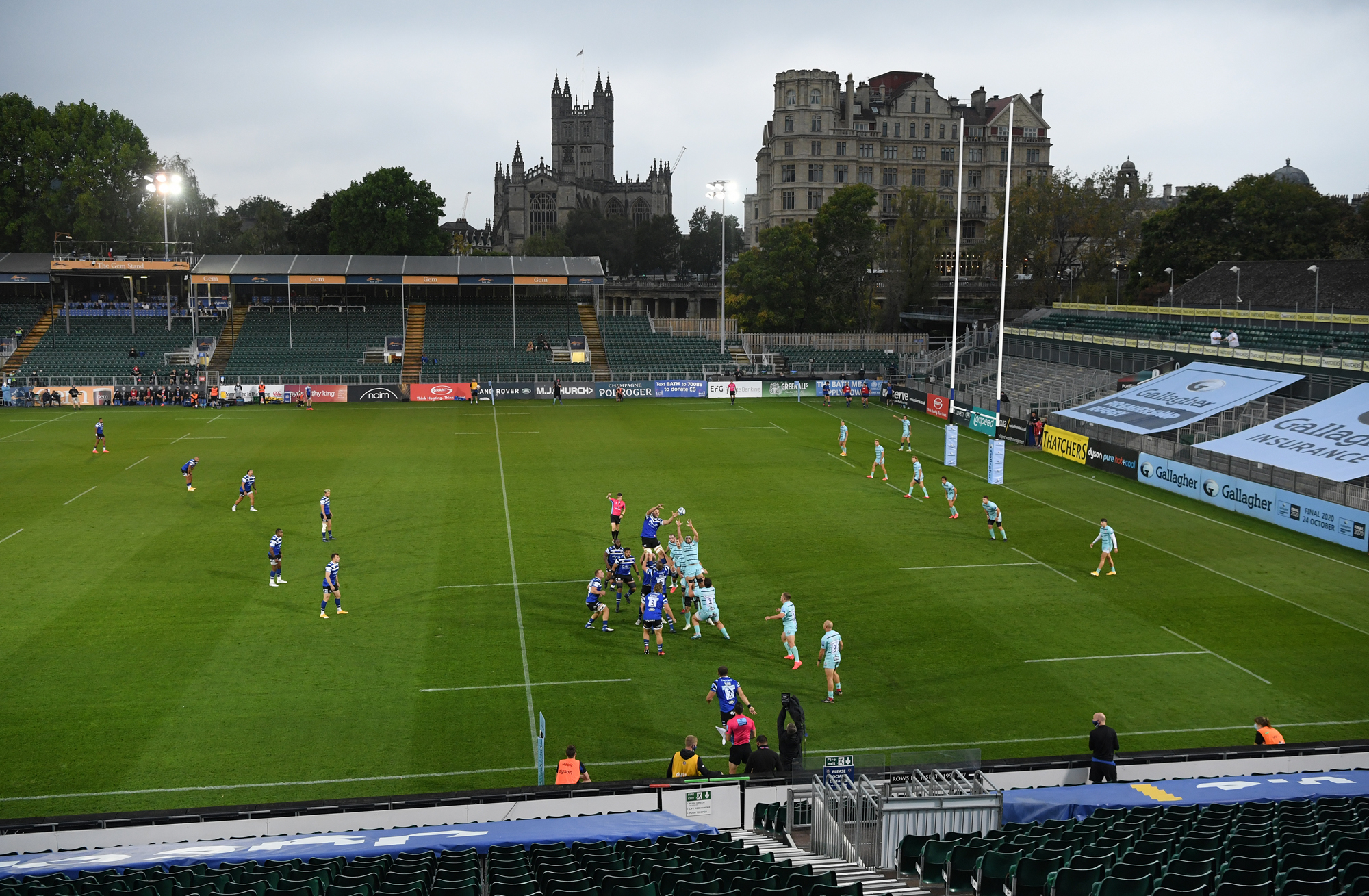
The Rec (Bath Rugby)
- Capacity: 14,500
- Address: The Recreation Ground, Spring Gardens, Bath, BA2 4DS
(Peter Nicholls/Getty Images)
(Stu Forster/Getty Images)
Few rugby grounds have a backdrop as impressive as the Rec’s, with its views of Bath Abbey and the surrounding countryside. The stadium itself isn’t quite so picturesque, however.
With the city’s Recreation Ground designated for public use, the rugby club lease the ground throughout the season, and some of the stands are temporary.
But, after decades of back-and-forth with local authorities, it looks like construction of a new 18,000-capacity stadium on the same site (the club’s home since 1894) is finally going ahead next year. The new-look East Stand (with an actual roof) can’t come soon enough for the Blue, Black and Whites’ frequently soaked fans.
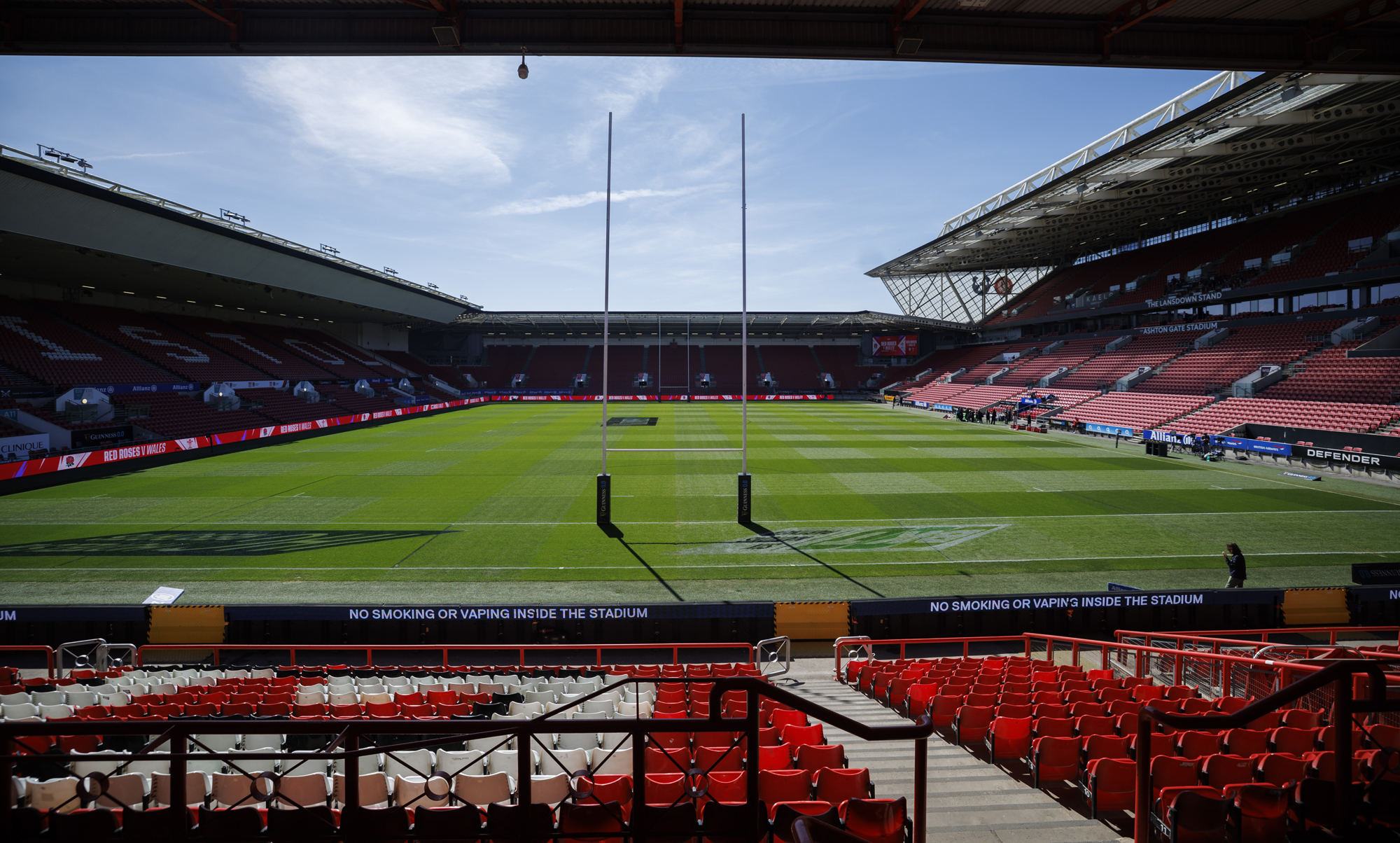
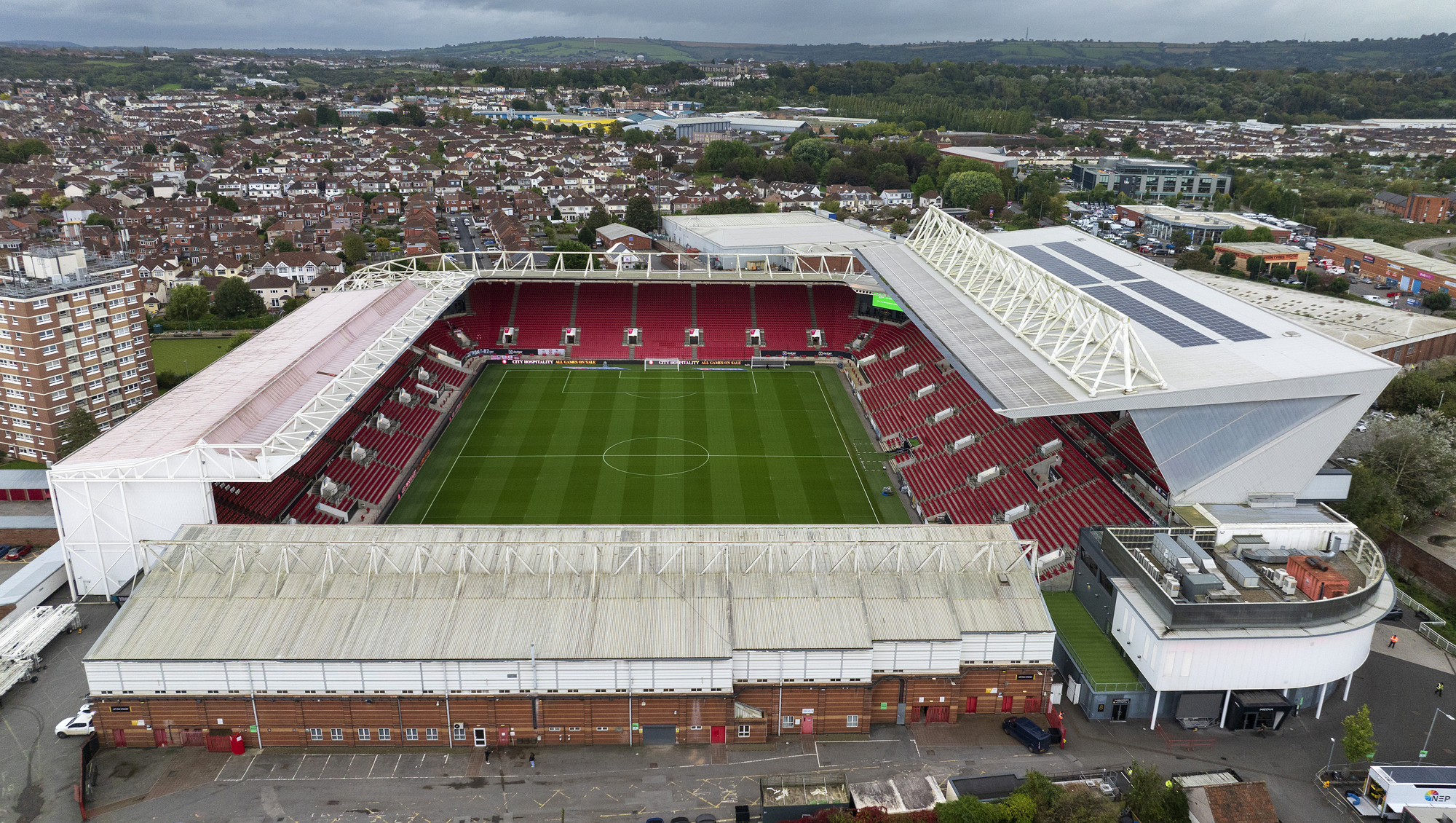
Ashton Gate (Bristol Bears)
- Capacity: 27,000
- Address: Ashton Gate Stadium, Ashton Road, Bristol, BS3 2EJ
(Bob Bradford – CameraSport via Getty Images)
(Dan Mullan/Getty Images)
From 1921 until 2014, Bristol’s premier rugby club played at the Memorial Ground on the other side of the city.
That’s now the home of League Two football side Bristol Rovers, while the Bears now share Ashton Gate with Championship team Bristol City, also owned by local billionaire Steve Lansdown.
Extensively renovated in the 21st century (the towering Lansdown Stand is so big it feels like it has its own weather system), “the Gate” is currently the biggest ground in the Gallagher PREM. It also hosted both semi-finals at the 2025 Women’s Rugby World Cup, and is one of the largest concert venues in the south-west.
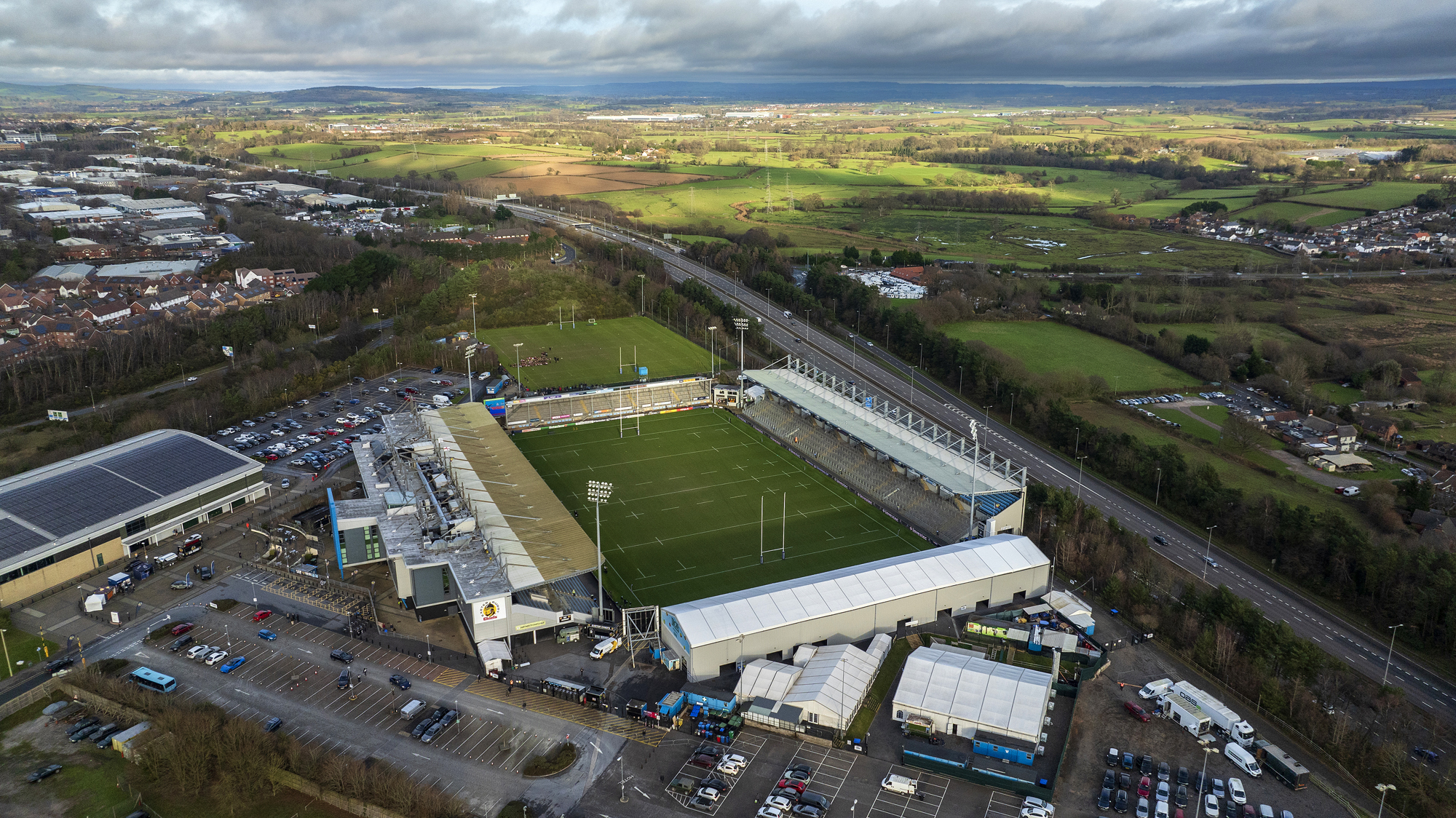
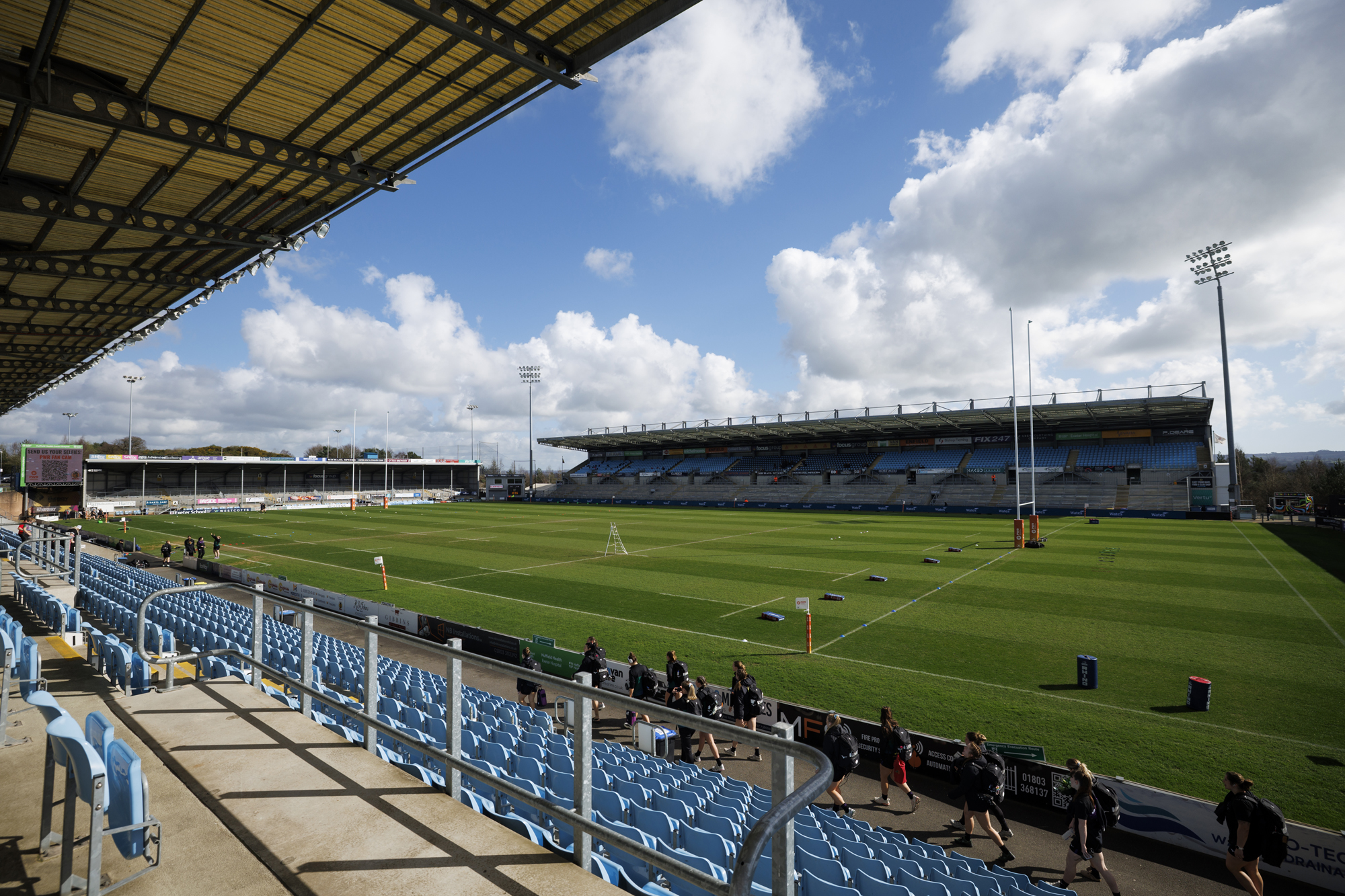
Sandy Park (Exeter Chiefs)
- Capacity: 15,600
- Address: Sandy Park Stadium, Sandy Park Way, Exeter, EX2 7NN
(Dan Mullan/Getty Images)
(Bob Bradford – CameraSport via Getty Images)
When the club departed its old County Ground home in 2006, few can have predicted the glory years that awaited fans when they arrived at Sandy Park.
Exeter weren’t yet in the Premiership when they moved to this new, purpose-built stadium next to the M5 – Sandy Park only had 5,000 seats back then, but has since expanded to accommodate 15,600 supporters, as the Chiefs became champions of England and Europe.
The ground’s exposed, out-of-town location has arguably played into the team’s hands, thanks to swirling winds that can ensure visiting kickers have a challenging time in front of the posts.
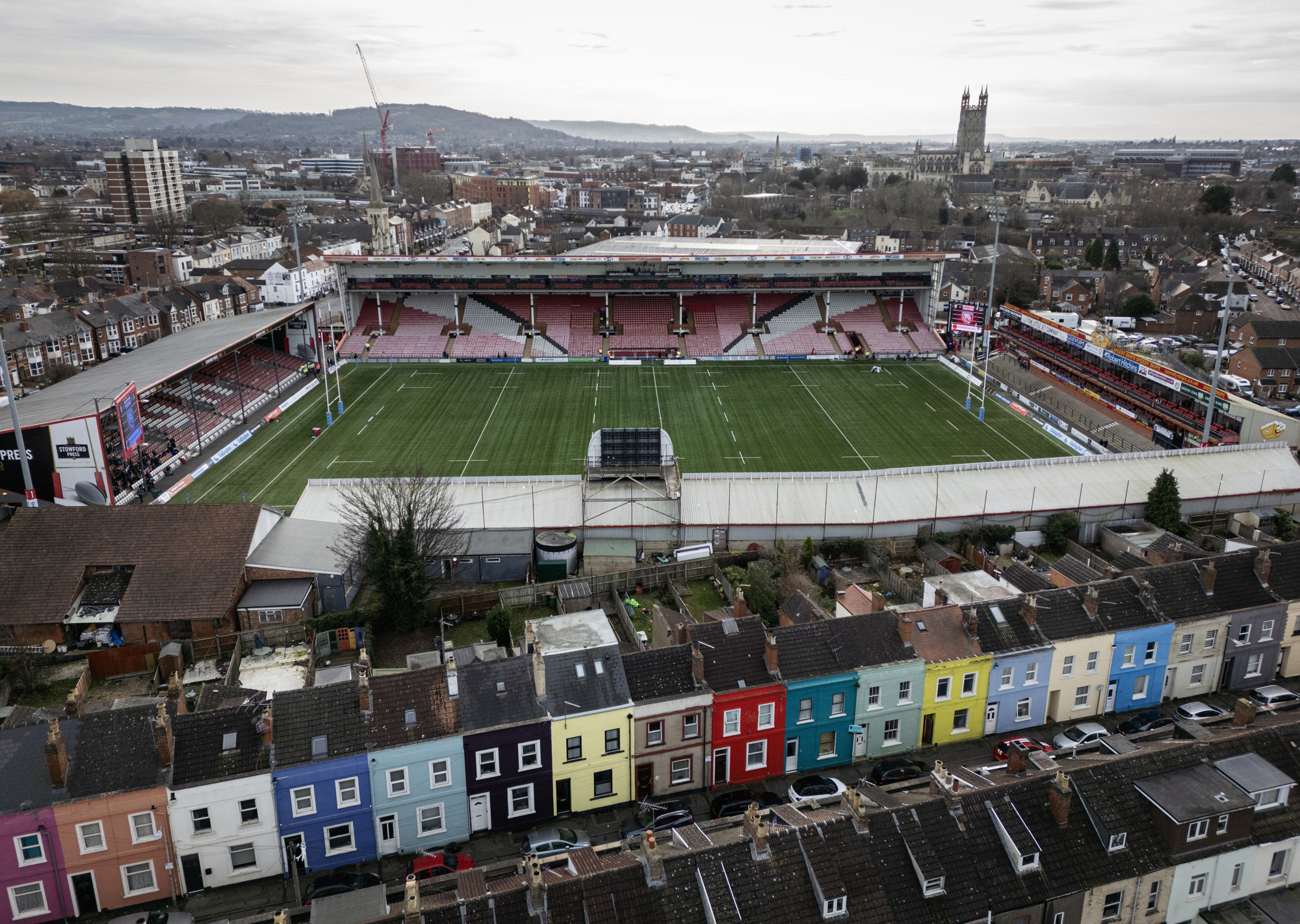
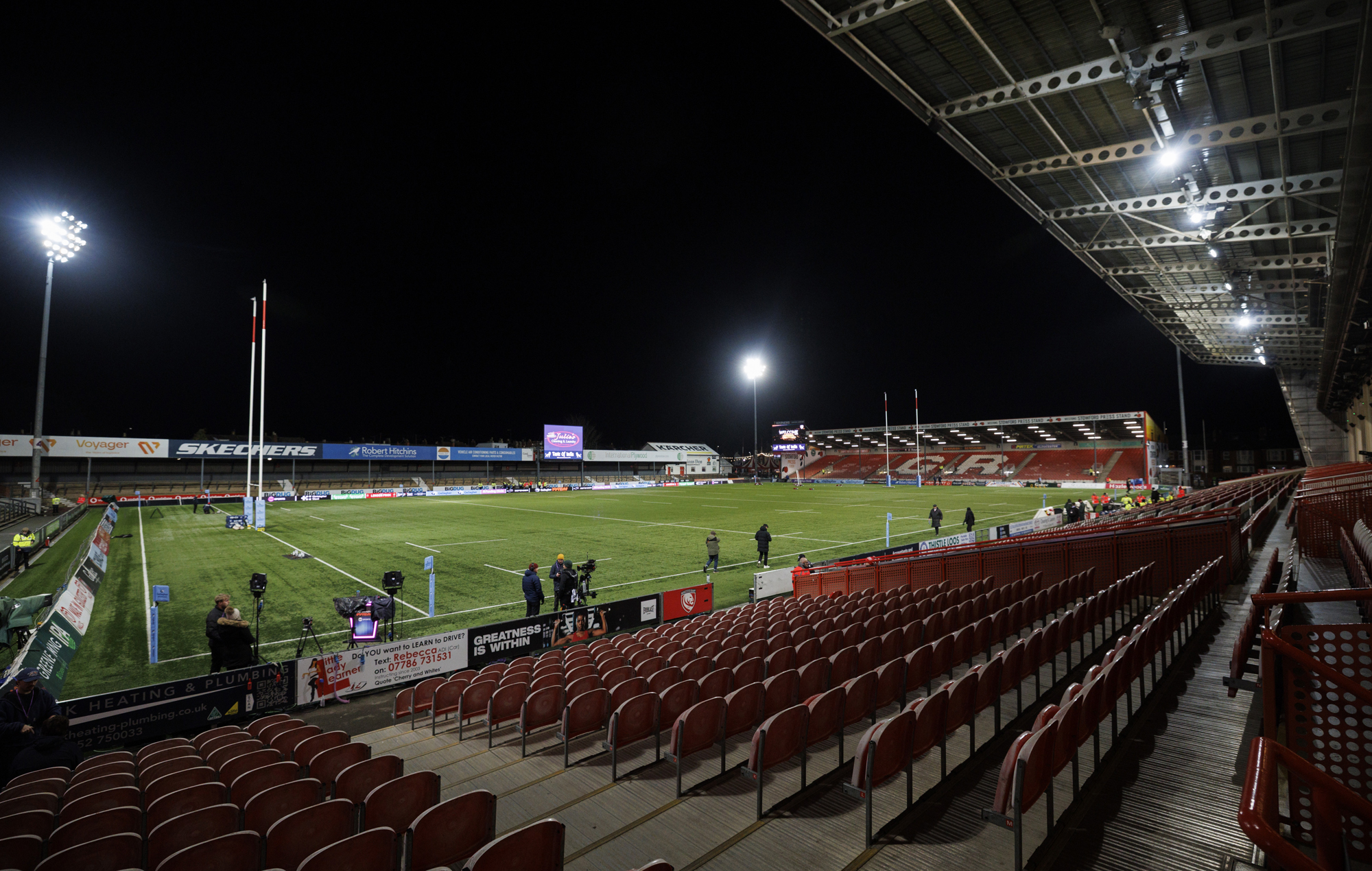
Kingsholm (Gloucester Rugby)
- Capacity: 16,115
- Address: Kingsholm Stadium, Kingsholm Road, Gloucester, GL1 3AX
(Ryan Pierse/Getty Images)
(Bob Bradford – CameraSport via Getty Images)
Tired of football fans telling you their grounds have the best atmospheres? Kingsholm offers the perfect comeback, with the all-standing Shed terrace widely regarded as one of the best places to watch rugby in the world.
Of course, it helps that – as is the case with Bath – there’s no league football club in rugby, making Gloucester the quintessential “proper rugby town”.
There’s also the small matter of history, seeing as the Cherry-and-Whites have been playing at the ’Holm since 1891, when the club bought some land from the Castle Grim Estate for the princely sum of £4,000. The ground is sometimes rebranded as “Queensholm” for Gloucester-Hartpury fixtures.
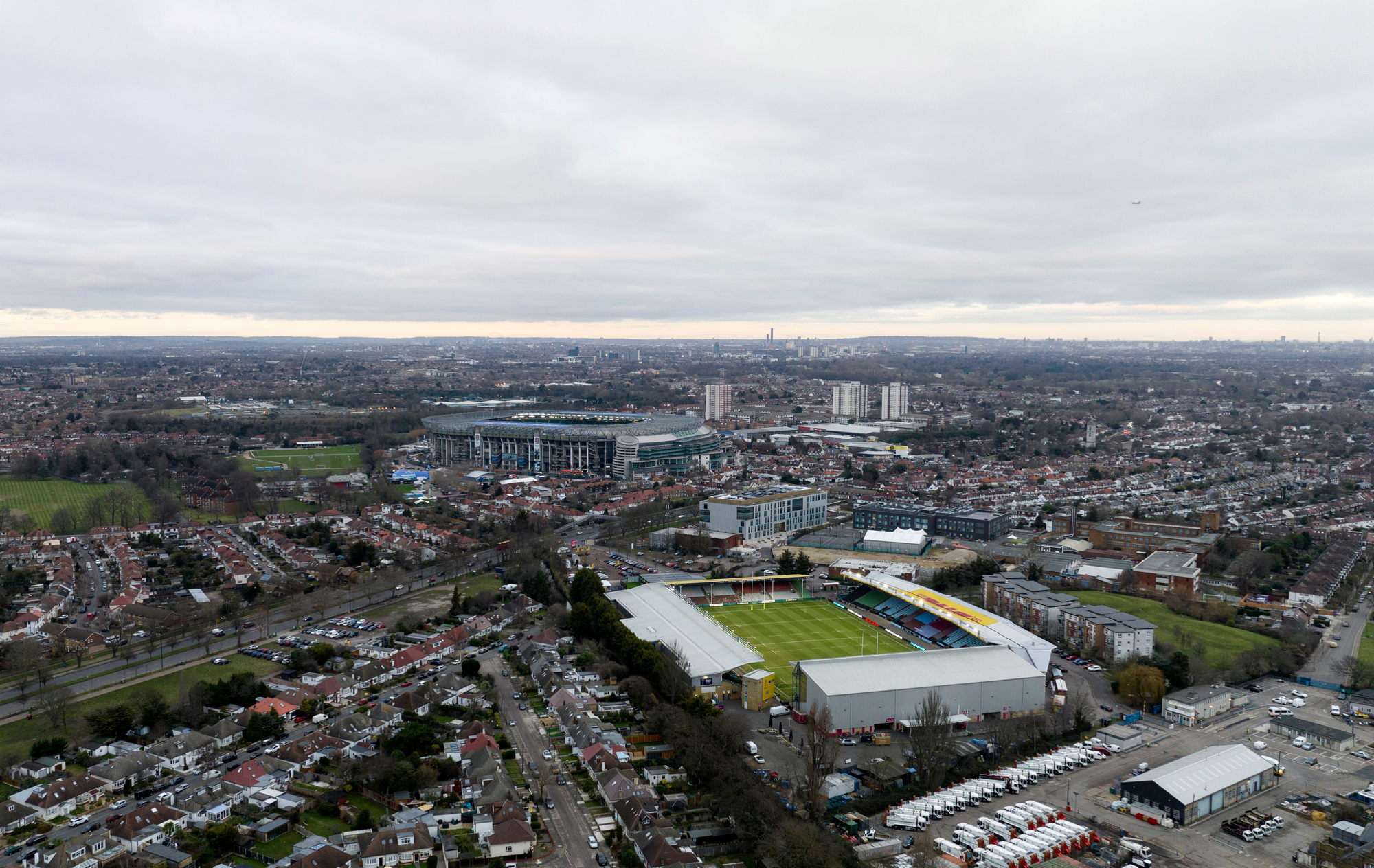
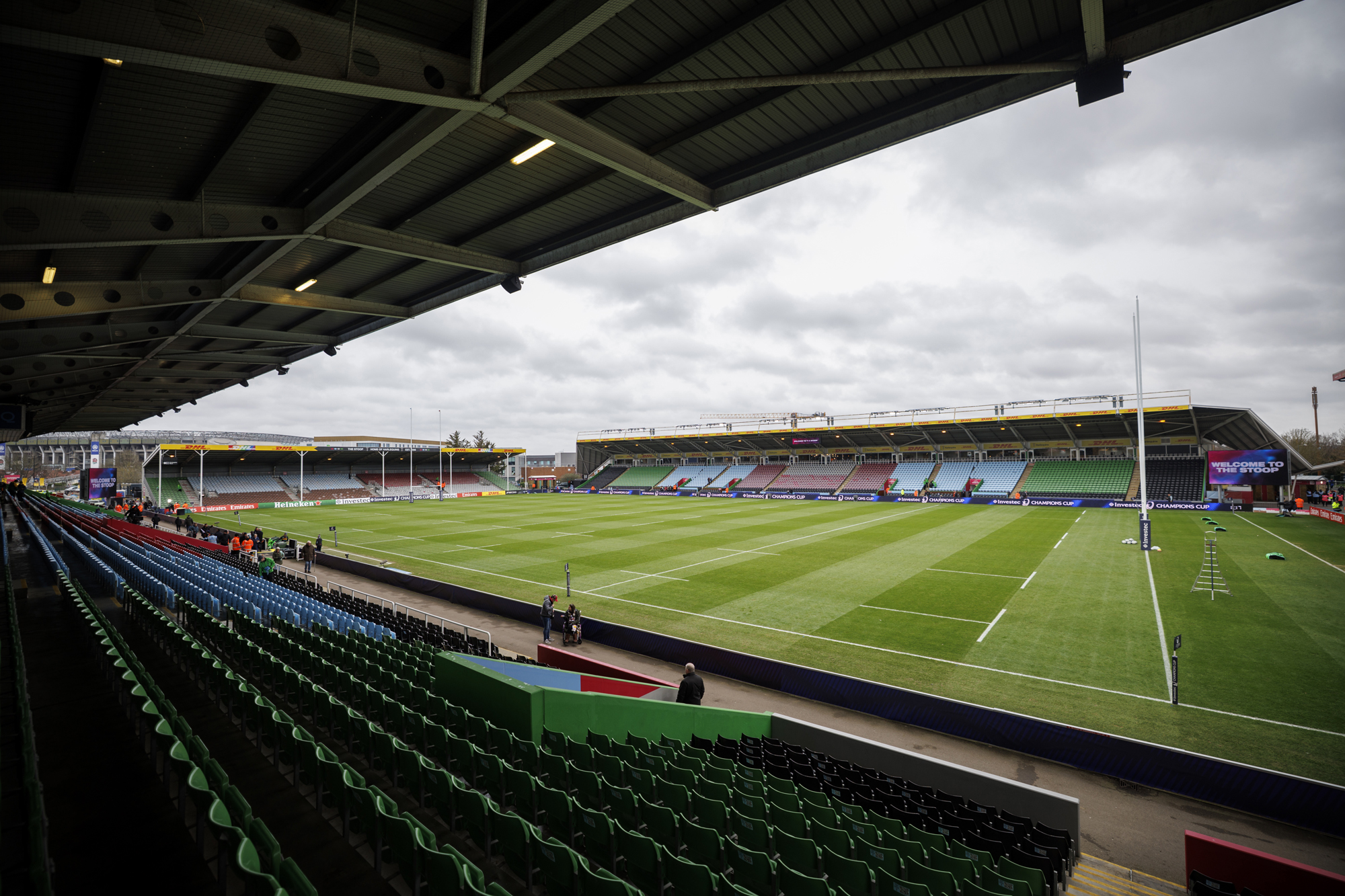
Twickenham Stoop (Harlequins)
- Capacity: 14,800
- Address: Twickenham Stoop Stadium, Langhorn Drive, Twickenham, TW2 7SX
(Dan Mullan/Getty Images)
(Bob Bradford – CameraSport via Getty Images)
It’s only the second most famous rugby ground in the TW2 postcode (the Allianz Stadium, Twickenham, is just down the road), but the Stoop is still one of the most iconic grounds in English rugby.
For much of the early 20th century the the national stadium was Quins’ base, but they moved into their current ground in 1963 – it’s named after club legend Adrian Stoop, an England international who represented the club over 180 times and was its president for nearly three decades.
The Stoop hosted the 2010 Women’s Rugby World Cup final, in which New Zealand beat hosts England.
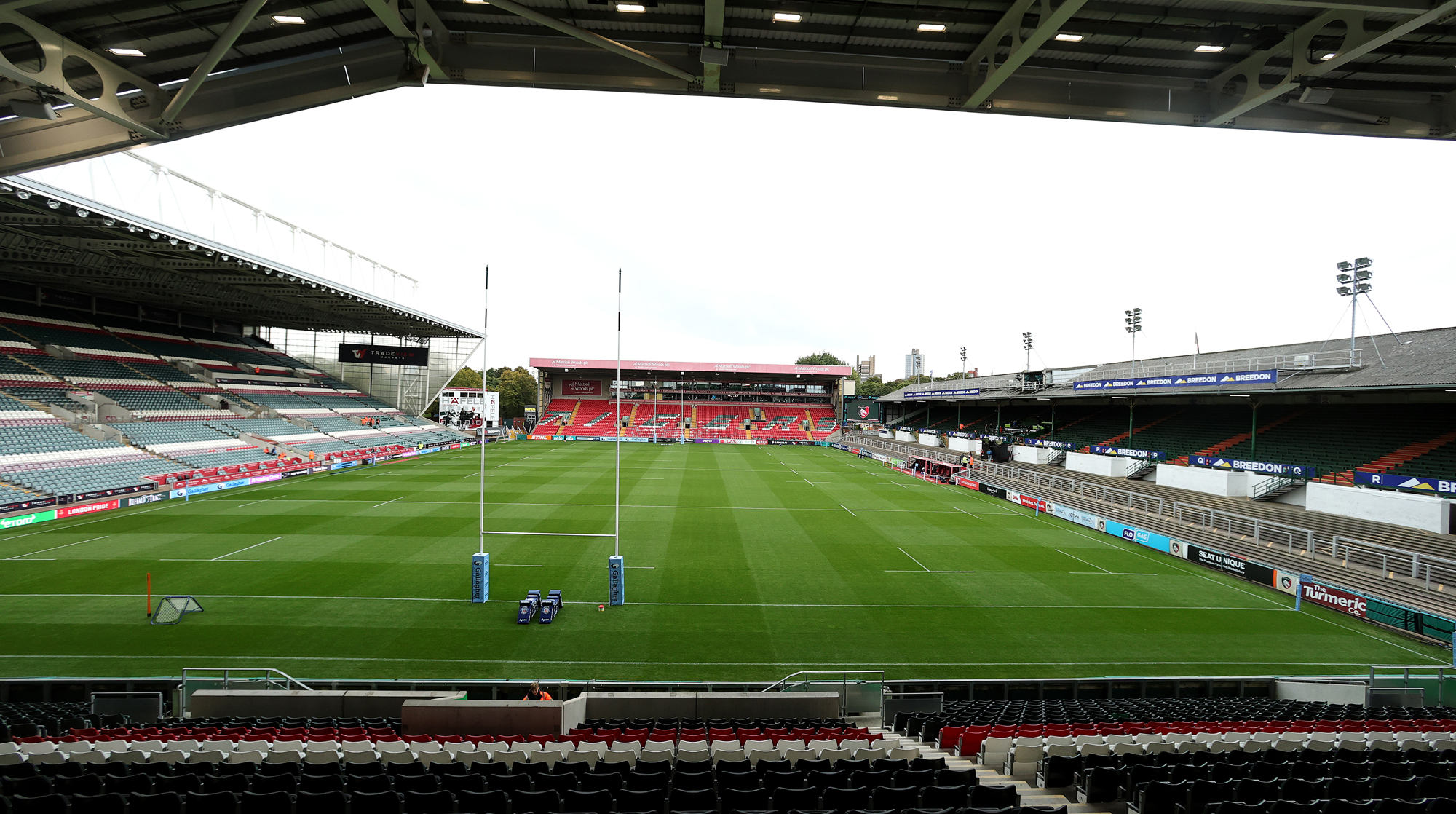
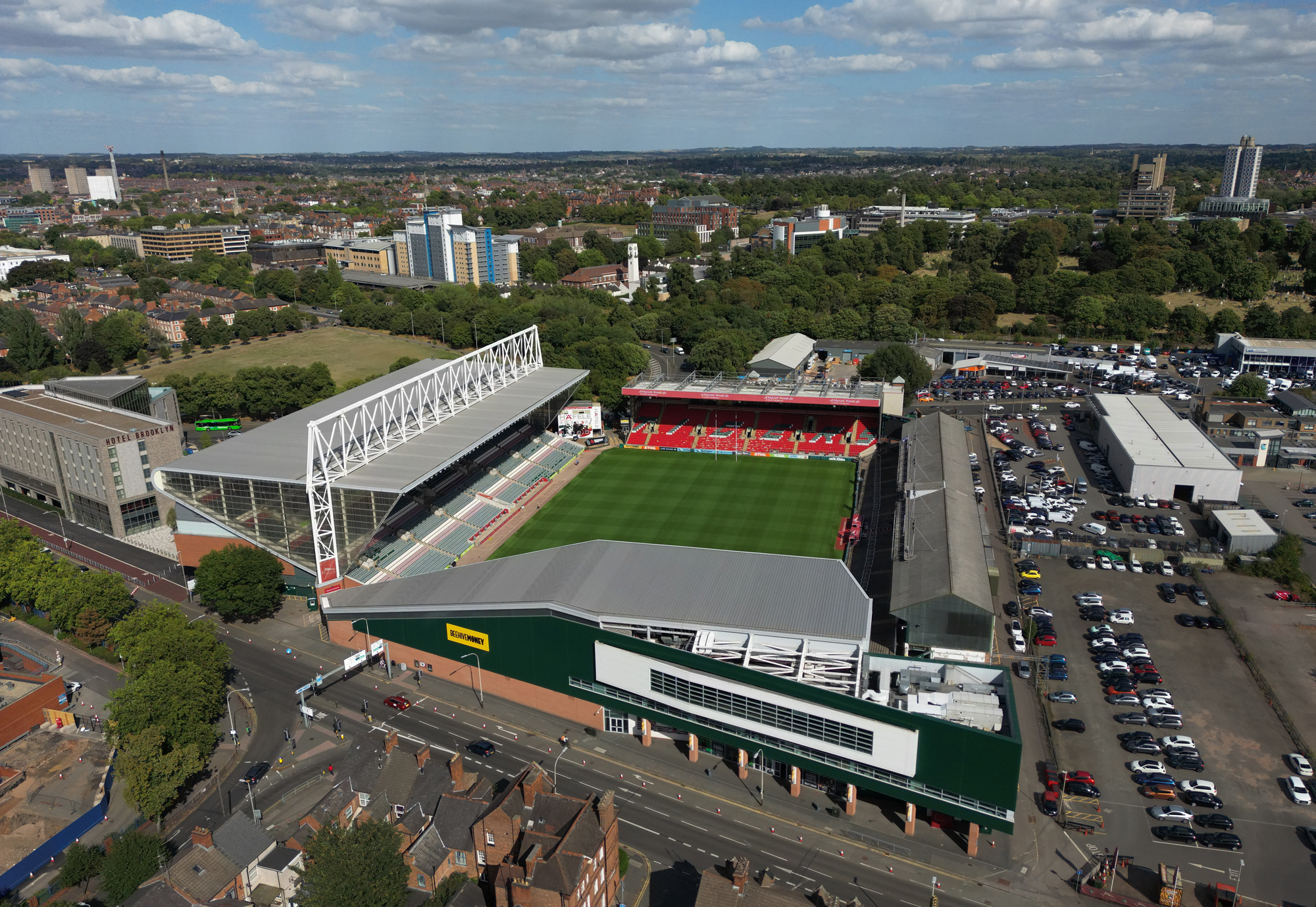
Mattioli Woods Welford Road (Leicester Tigers)
- Capacity: 25,849
- Address: Mattioli Woods Welford Road, Aylestone Road, Leicester, LE2 7TR
(David Rogers/Getty Images)
(Michael Regan/Getty Images)
Until Leicester City’s unexpected Premier League title heroics in 2016, the perennially successful Tigers were arguably a bigger fish in the East Midlands sporting ecosystem.
In Welford Road, their “fortress” since 1892, they have a ground to match that status. It’s the biggest purpose-built rugby stadium in the PREM, whose expansion from around 17,500 to its current capacity was completed in 2015.
With support like that, it’s easy to see why the club was a tad miffed when competition organisers plumped for Leicester City’s King Power Stadium – ahead of Welford Road – as a venue for the 2015 Men’s Rugby World Cup.
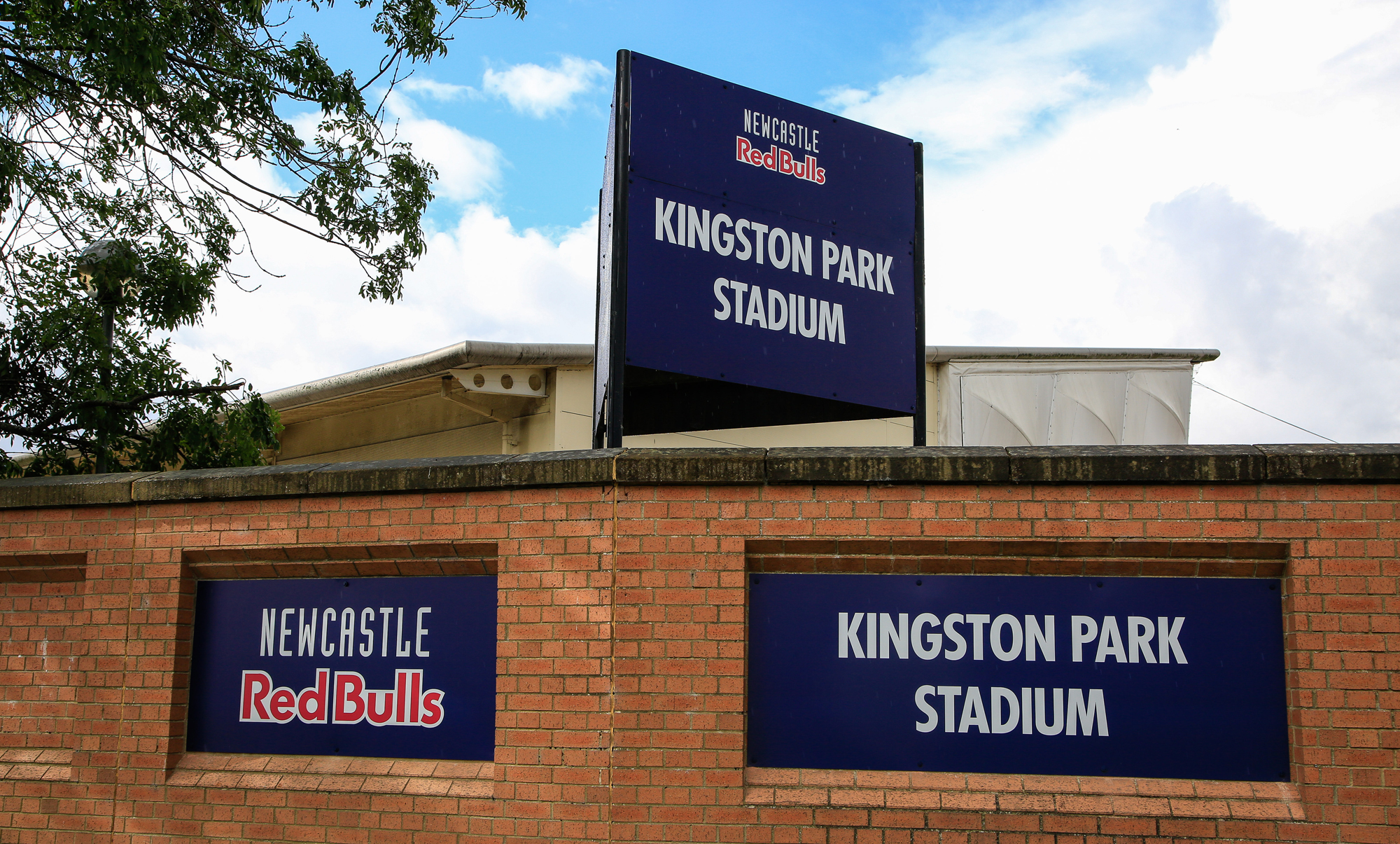
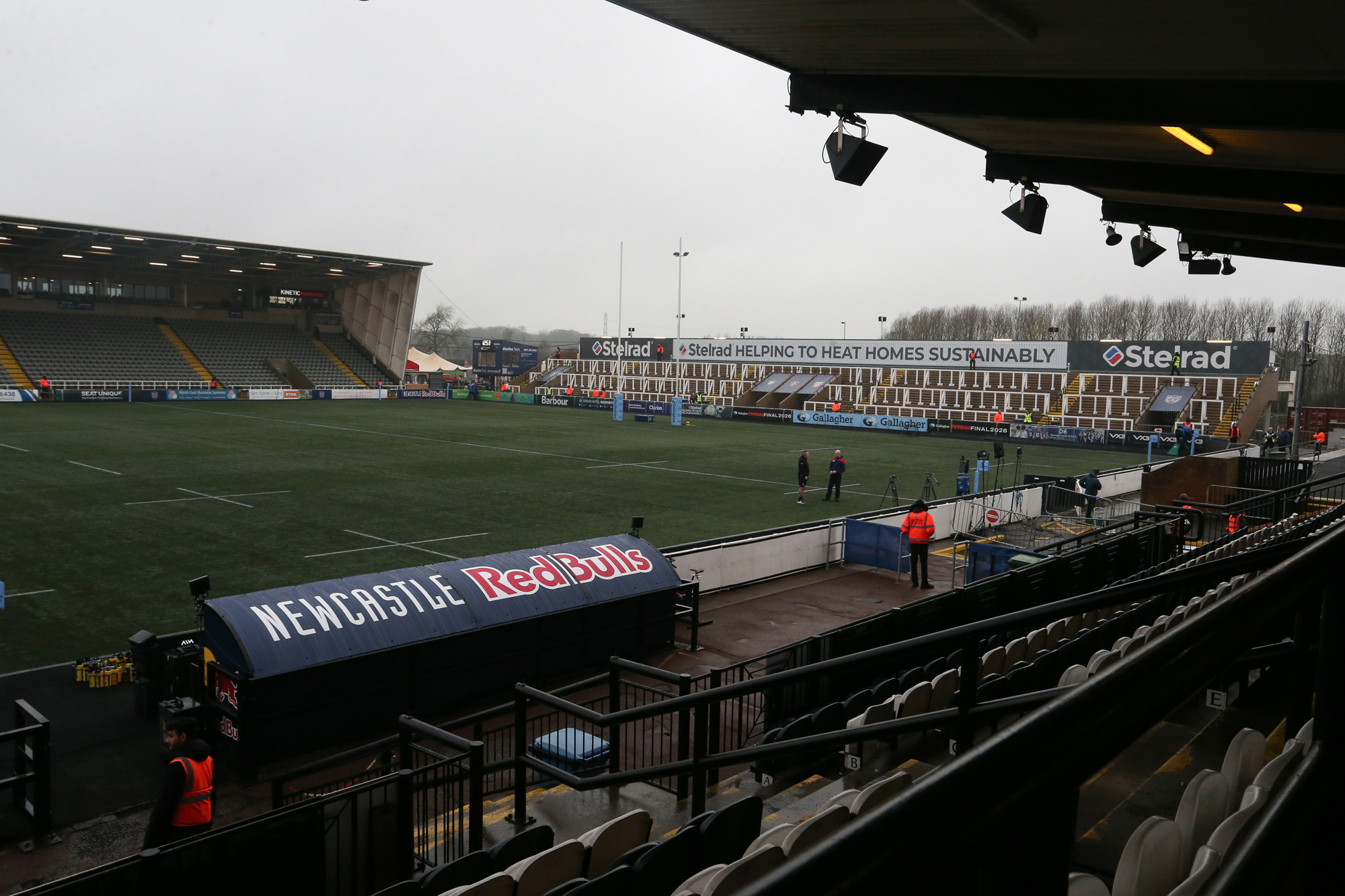
Kingston Park (Newcastle Red Bulls)
- Capacity: 10,210
- Address: Kingston Park Stadium, Brunton Road, Kenton Bank Foot, Newcastle upon Tyne, NE13 8AF
(Paul Jackson/MI News/NurPhoto via Getty Images)
(Michael Driver/MI News/NurPhoto via Getty Images)
The club moved into their Kingston Park home back in 1990, when they were still known as Newcastle Gosforth.
The ground, in the outskirts of the city, has seen a few ups-and-downs on the field, though it is where the likes of Jonny Wilkinson and Va’aiga Tuigamala helped turn the club into a northern powerhouse in the 1990s under Newcastle United benefactor Sir John Hall.
Over the years the Falcons/Red Bulls have shared the ground with the football team’s under-21s and rugby league side Newcastle Thunder.
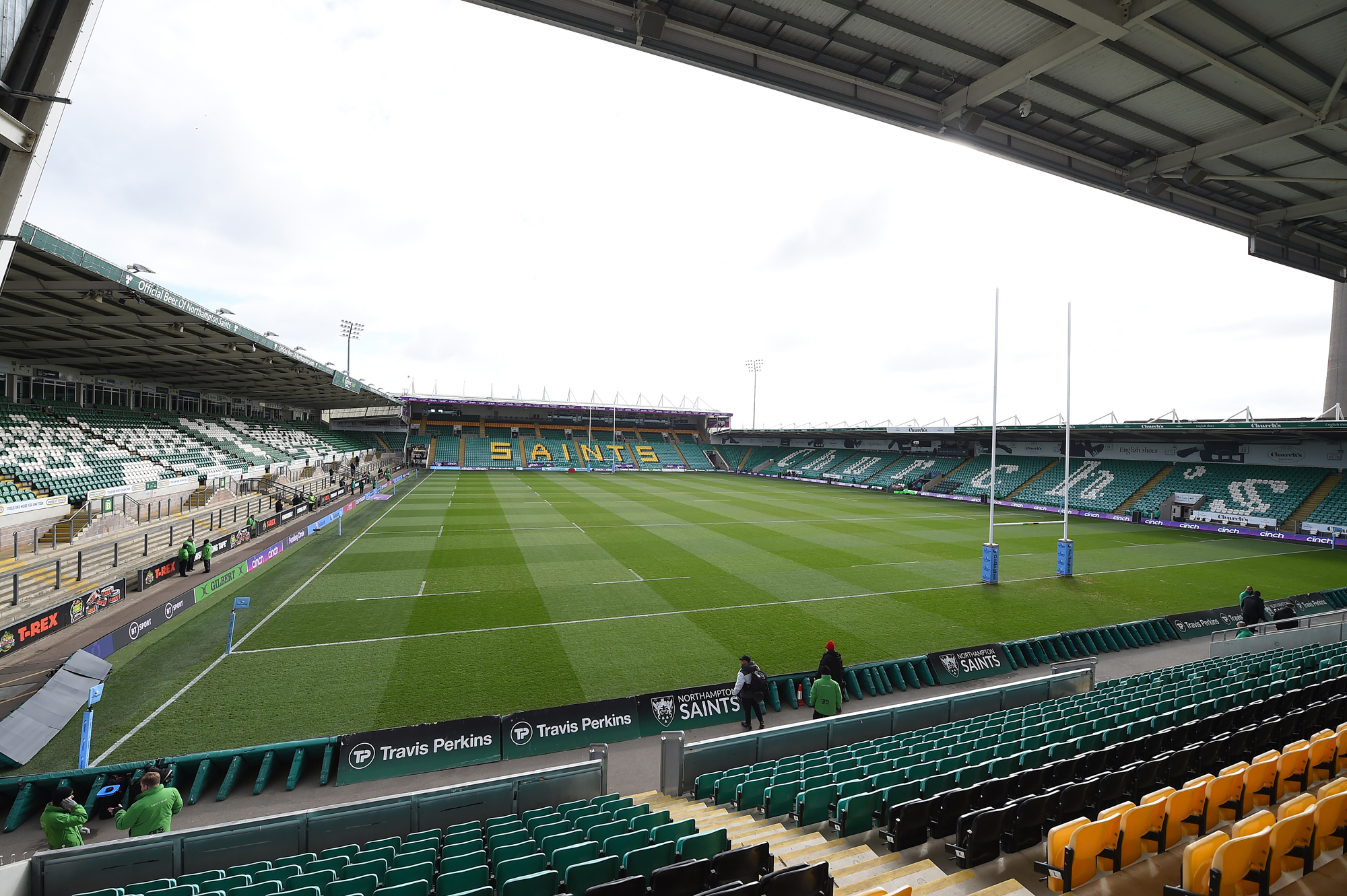
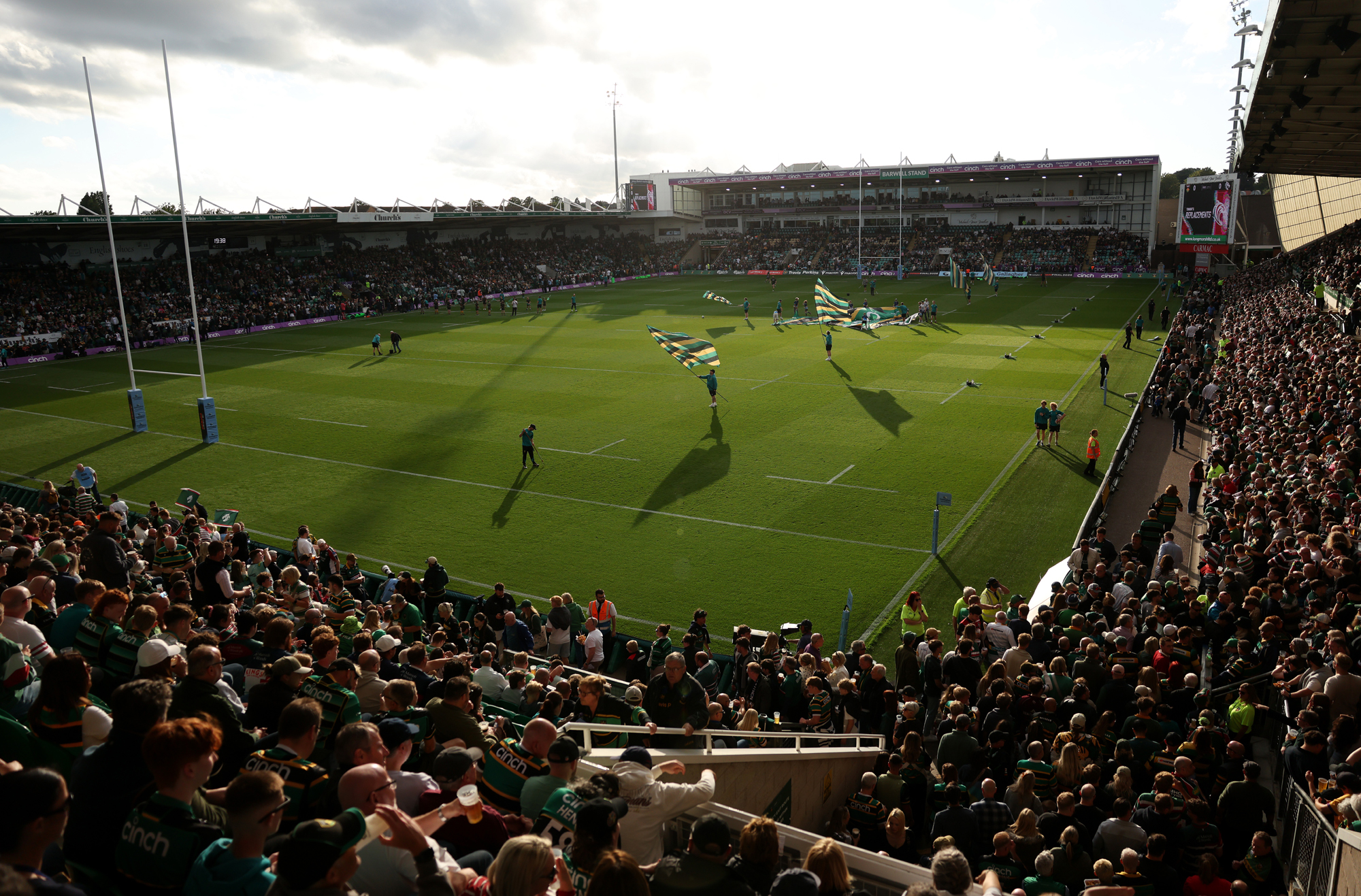
cinch Stadium at Franklin’s Gardens (Northampton Saints)
- Capacity: 15,249
- Address: Franklin’s Gardens, Weedon Road, Northampton, NN5 5BG
(Tony Marshall/Getty Images)
(Harry Murphy/Getty Images)
Another of the PREM’s classic rugby destinations, Franklin’s Gardens has been home to the reigning champions since the late 1880s, when a certain John Campbell Franklin bought and developed the Melbourne Gardens site – back then the area was described as the “Champs-Élysées of Northampton”.
The stadium went through significant redevelopment in the early part of the 21st century, with the current footprint being completed in 2015. Franklin’s Gardens is the only top-flight rugby ground in England with its own cenotaph, and it’s also the home of the Loughborough Lightning PWR team.
CorpAcq Stadium (Sale Sharks)
- Capacity: 11,500
- Address: 1 Stadium Way, Barton-upon-Irwell, Salford, M30 7EY
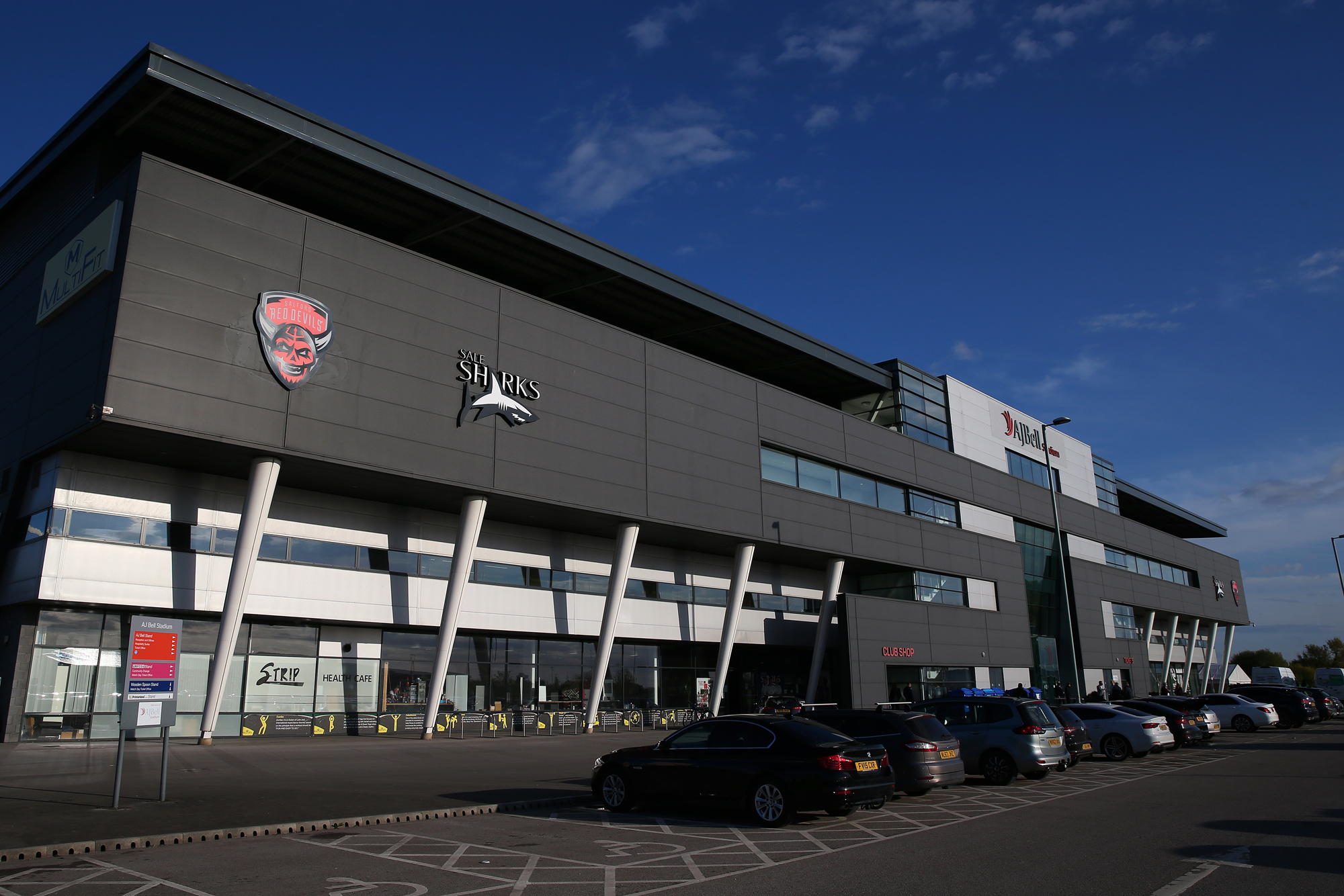
(Alex Livesey/Getty Images)
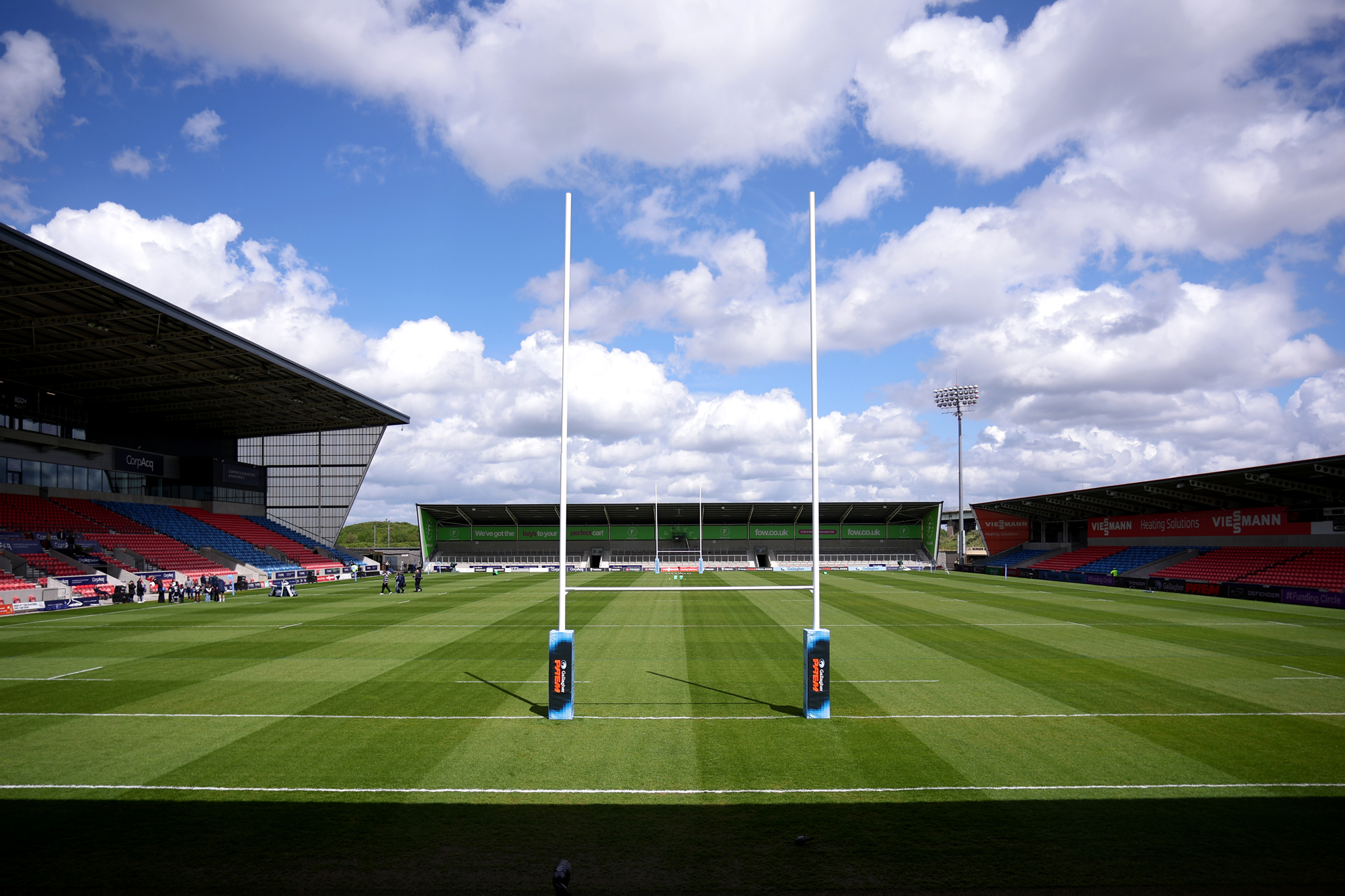
(Ed Sykes/Getty Images)
Known as the Salford City Stadium and the AJ Bell Stadium before the current sponsor took over at the start of the 2025-26 season, this purpose-built facility in Salford opened its turnstiles in 2012.
Sale Sharks have played there ever since, sharing the ground with Betfred Championship rugby league side Salford RLFC, and several other sports – Manchester United’s under-21s spent a season there, and it’s hosted American football, too. It was also the venue for four pool matches at the 2025 Women’s Rugby World Cup.
StoneX Stadium (Saracens)
- Capacity: 10,500
- Address: StoneX Stadium, Greenlands Lane, London NW4 1RL
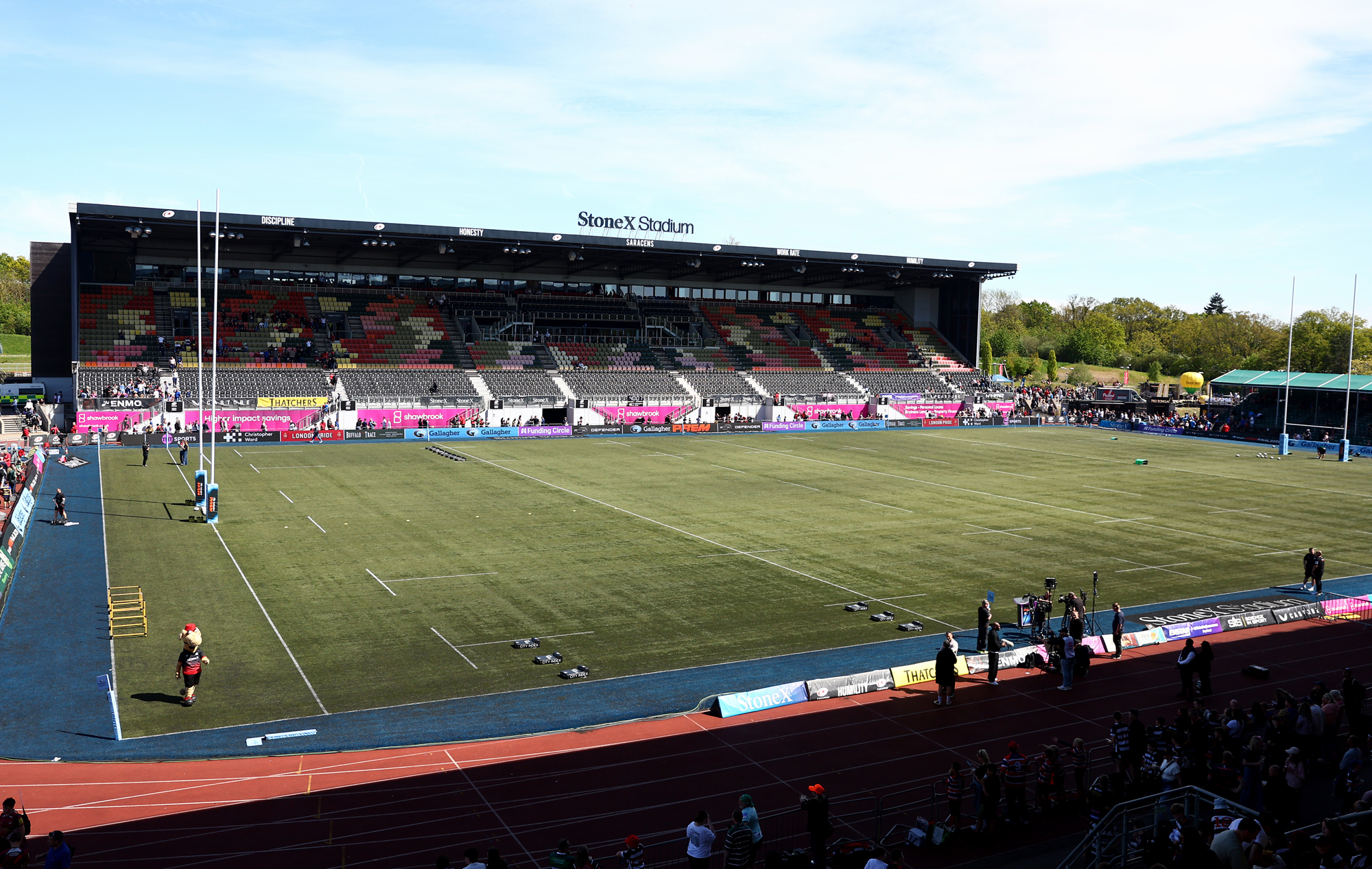
(Peter Nicholls/Getty Images)
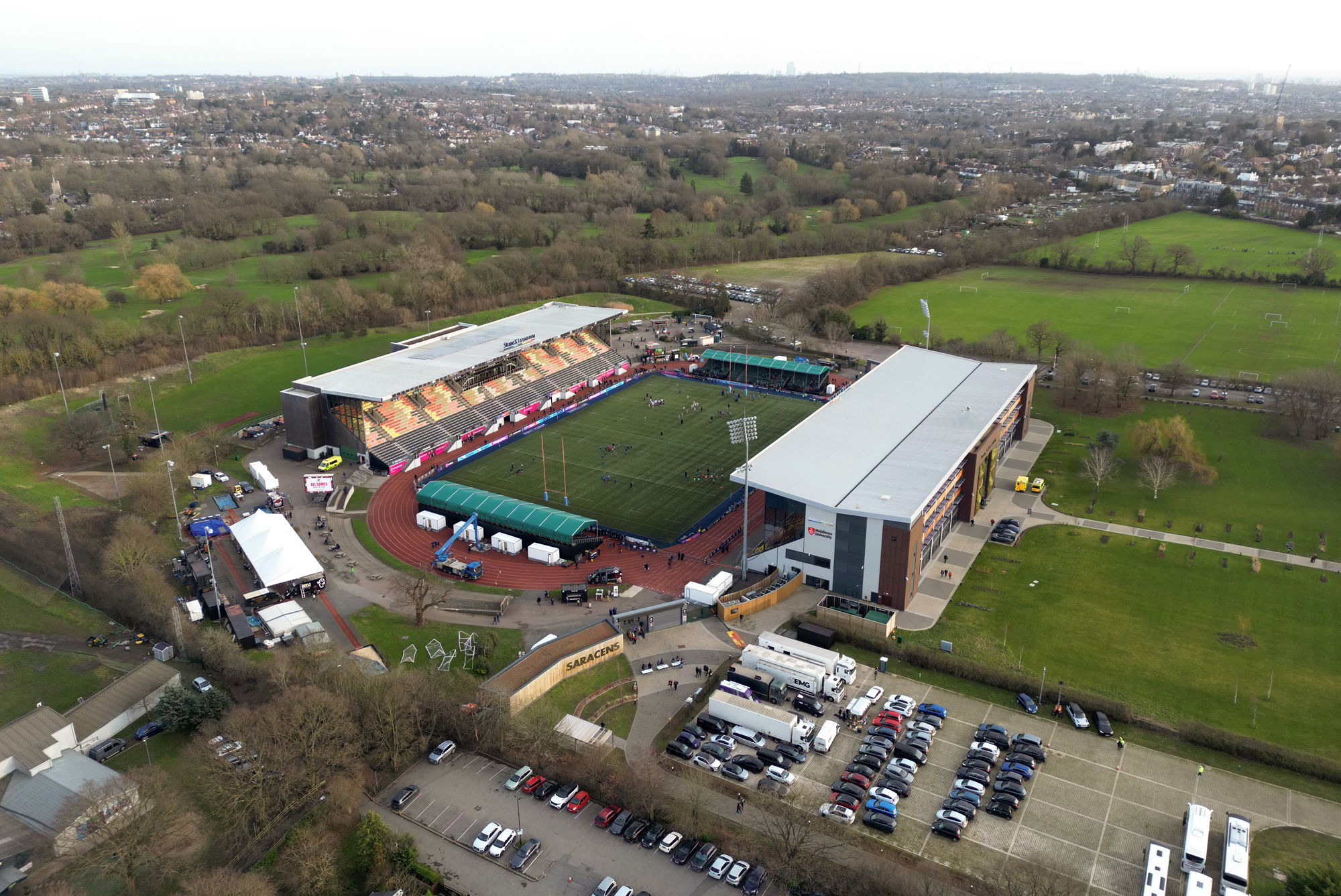
(Richard Heathcote/Getty Images)
With one of the smallest homes in the PREM, Saracens are proof that success doesn’t have to be proportional to your stadium’s capacity.
The multiple English and European champions moved into their Barnet Copthall home in 2013, after ending their groundshare agreement with Watford FC.
Saracens have since extensively developed the existing facilities (the complex also boasts its own running track) to make it feel like home, though they’re not helped by the fact that – despite the London address – the location of the StoneX closely resembles the middle of nowhere.
Disclaimer : This story is auto aggregated by a computer programme and has not been created or edited by DOWNTHENEWS. Publisher: rugbyworld.com