
El Nino has officially arrived, and this one is a doozy.
What does that mean for travelers? This powerful natural phenomenon could make some destinations more enjoyable this year — while you may want to reconsider visiting others. It also increases the risk of severe weather events and travel disruptions.
The good news is: you can prepare yourself. Read on to learn exactly what El Nino means for various destinations and how to plan your trip accordingly.
Related: Travel mistakes that can ruin your next trip
What is El Nino?
El Nino is a natural climate pattern that occurs roughly every two to seven years. In general, El Nino forms in the northern hemisphere’s summer months and lasts through the following spring, with its effects peaking in winter. The most recent El Ninos occurred in 2023-2024 and 2018-2019.
El Nino weakens, or even reverses, the trade winds that typically blow east to west across the Pacific Ocean, pushing warm water east toward the Americas. The changing water temperature affects the Pacific jet stream, a powerful wind channel that flows from west to east across North America. During El Nino, the Pacific jet stream splits into two streams: a weaker polar jet stream that brings warmer, drier conditions to the northern U.S. and Canada, and a stronger subtropical jet stream that brings more rain to the Southern U.S. and Gulf Coast.
But while North America is typically at the center of El Nino, this climate phenomenon can have much more far-reaching impacts — especially this year.
That’s because the World Meteorological Organization expects the current El Nino to reach “very strong” (aka “super”) status by the end of 2026. Based on how these temperatures compare to past El Nino events, some forecasters think this one is on track to become the most extreme El Nino on record.
El Nino’s effects around the world
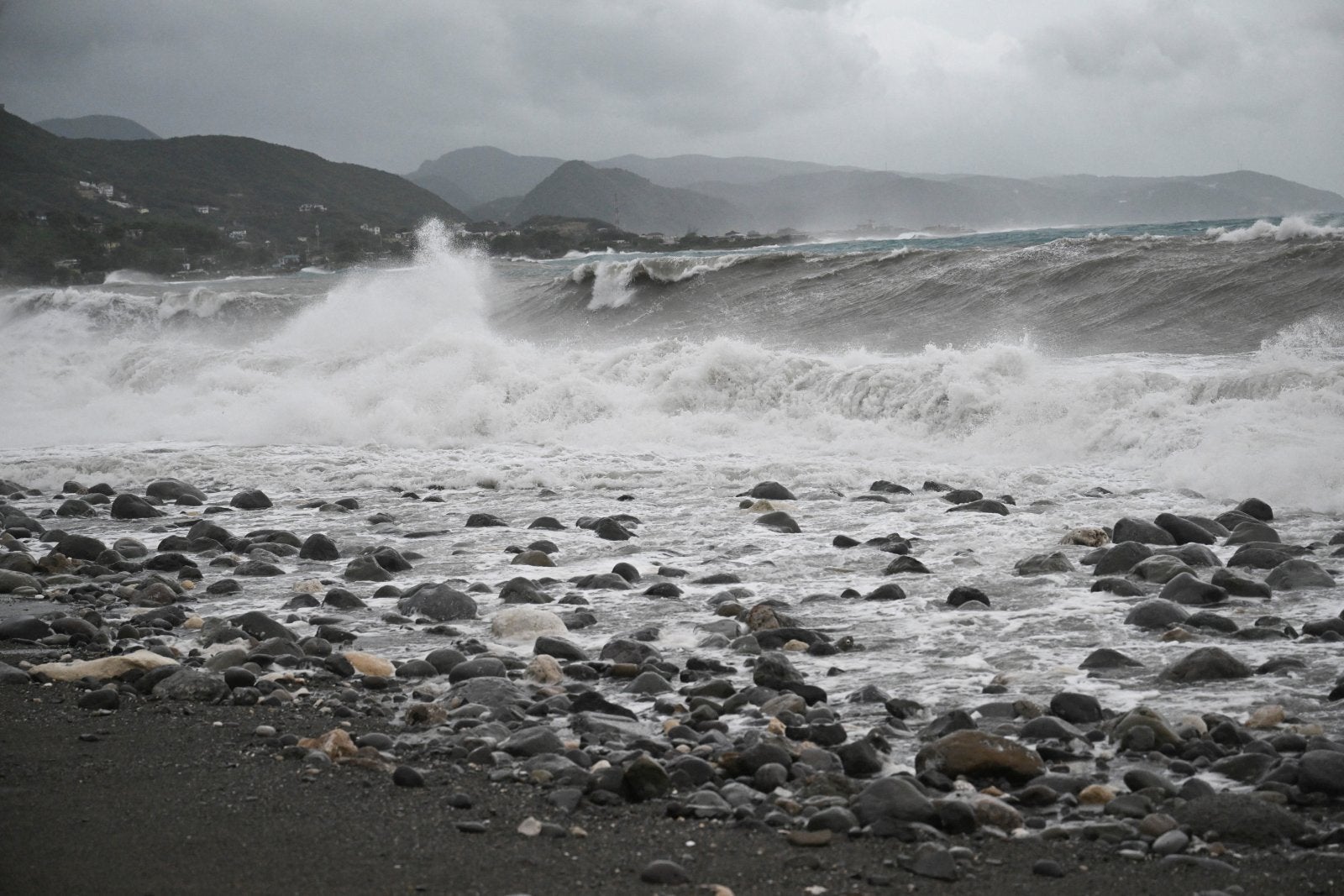
El Nino has the capacity to change weather patterns worldwide, making some destinations less ideal for travel while making others more desirable. El Nino also puts some areas at higher risk of natural disasters and disease outbreaks.

Daily Newsletter
Reward your inbox with the TPG Daily newsletter
Join over 700,000 readers for breaking news, in-depth guides and exclusive deals from TPG’s experts
By signing up, you will receive newsletters and promotional content and agree to our Terms of Use and acknowledge the data practices in our Privacy Policy. You may unsubscribe at any time.
And while WMO predicts the current El Nino will end around February, it could have ripple effects further into 2027 — especially if this year’s event turns out to be as strong as predicted.
Here’s what you need to know to plan your travels during this potentially historic El Nino year.
North America
While strong and super El Ninos can impact the whole planet, the biggest impacts — both good and bad — tend to be centered around North America.
On the northern side, Canada and the upper U.S. will likely experience a warmer, drier winter than usual. This could make it a good time to visit these areas, as temperatures should be milder and precipitation lower. City trips could be more pleasant in places like Chicago and Montreal, and you can probably score deep discounts on off-season flights and hotels.
The same goes for the historically rainy Pacific Northwest, where drier El Nino conditions could make it easier to enjoy outdoor pursuits during the (usually wet) winter.
On the other hand, reduced snowfall and increased rain could potentially put a damper on a ski trip to the northern U.S. or Canada.
Snowsports enthusiasts may prefer to head west, as El Nino stands to bring above-average snowfall to Colorado and California’s slopes. Lake Tahoe ski resorts have been known to extend their seasons into June or July following an El Nino cycle.
Related: Epic Passes on sale now for this year’s ski season — with a new Gen Z discount
That’s because, while the northern part of the country tends to get warmer and drier during El Nino, areas farther south will likely get cooler and wetter.
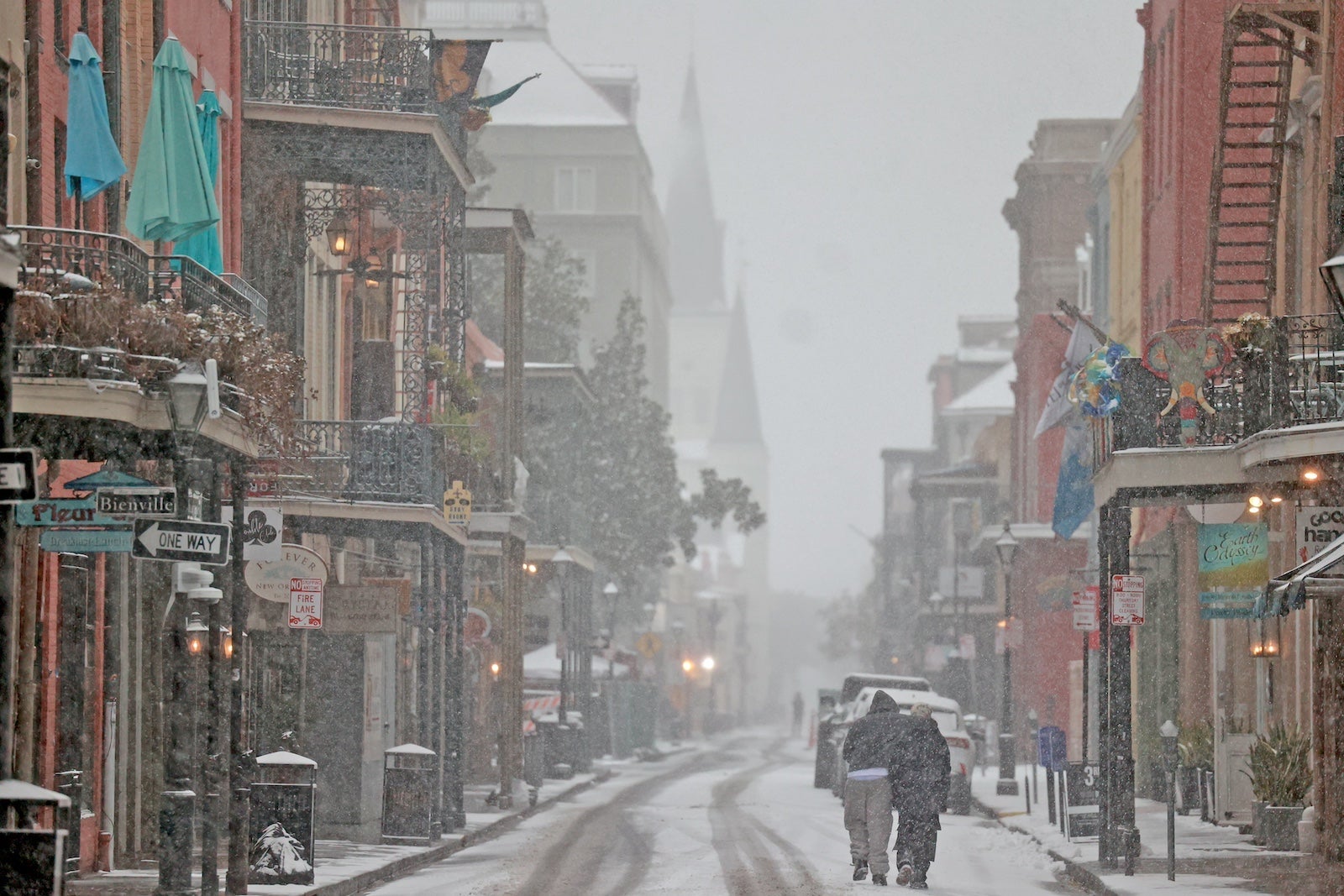
The Gulf and Southeastern U.S., in particular, will likely experience more precipitation. This could make it a less desirable time to travel, but more importantly, it increases the risk of severe weather. El Nino sets the stage for severe thunderstorms, flooding, snowfall, freezing rain and even tornadoes in the South — potentially leading to flight delays and trip disruptions.
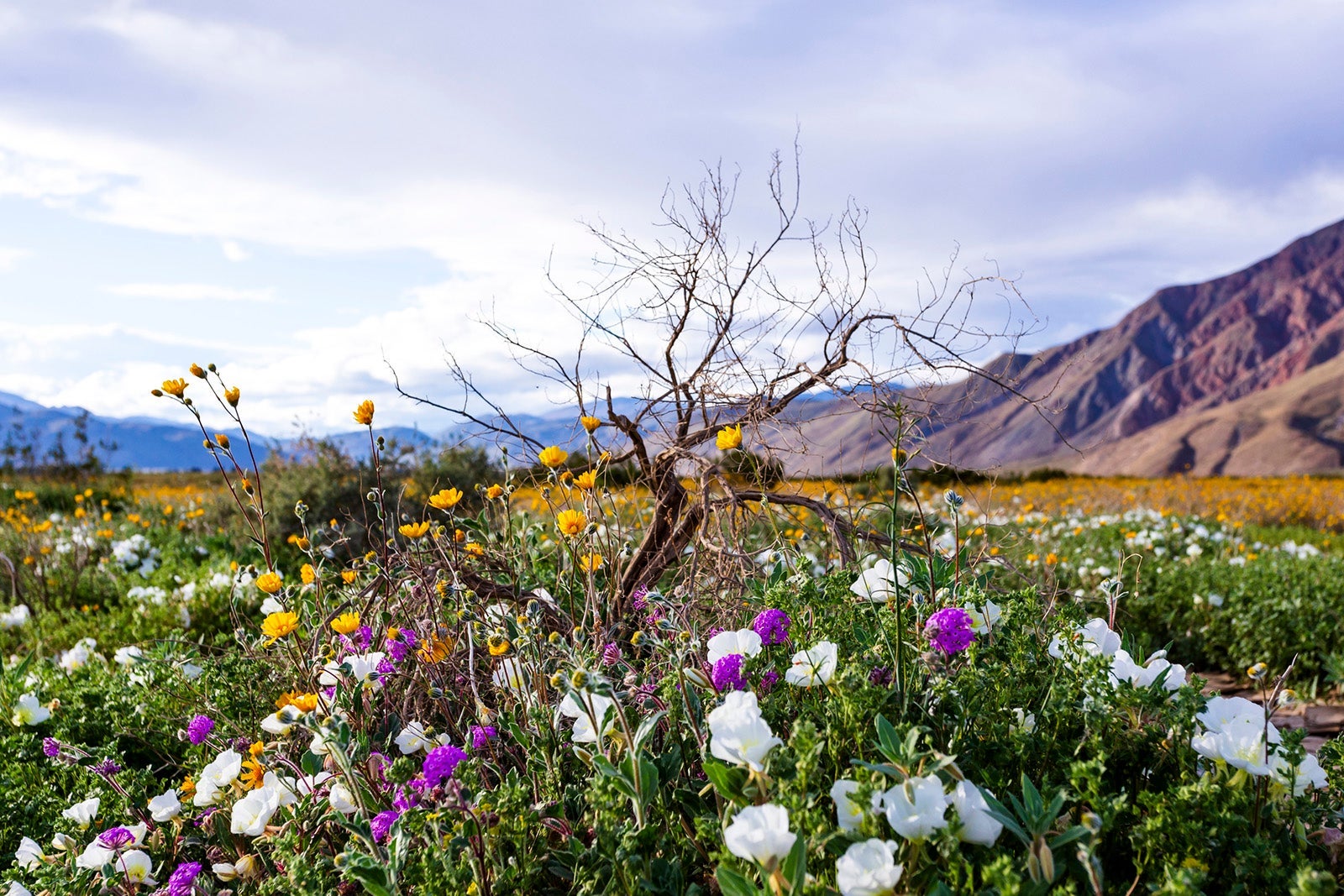
On the other hand, parts of the southwestern U.S. that tend to be dry, dusty and brown in spring — like Joshua Tree National Park in California — often burst into bloom following El Nino rains. Death Valley’s 2016 spring superbloom was the direct result of winter downpours brought on by El Nino.
While spring could be a great time to see the desert erupt in color, moving into summer 2027, northern areas that experienced a drier winter thanks to El Nino will be at heightened risk of wildfire and drought.
The Caribbean and Pacific Islands
Hurricane season is underway, and this year’s powerful El Nino has the potential to flip the script.
In the Atlantic, El Nino has put a damper on hurricane season with powerful wind shear, which can break up storms before they develop into hurricanes. Now, over 100 days into hurricane season and around the season’s statistical peak, we are still waiting for the first one of 2026 to blow in.
That could make this fall a great time to snag off-season deals in Atlantic beach destinations, or to take a Caribbean cruise. Just remember that while the risk of hurricanes is significantly lower, it still isn’t zero, so stay alert.
On the flip side, El Nino has spiked sea surface temperatures and brought low wind shear to the Pacific, creating ideal hurricane conditions. Hawaii, where storms are rare — only six hurricanes have come within 50 miles of the islands in the last 75 years — has already experienced three hurricanes in 2026.
As a result, a fall trip to a Pacific island or Mexican Riviera cruise may carry greater risks than usual. You may want to consider rebooking your beach vacation to a different locale or postponing it until after hurricane season, which usually ends Nov. 30.
Related: The 12 best secret beaches in the Caribbean
South America
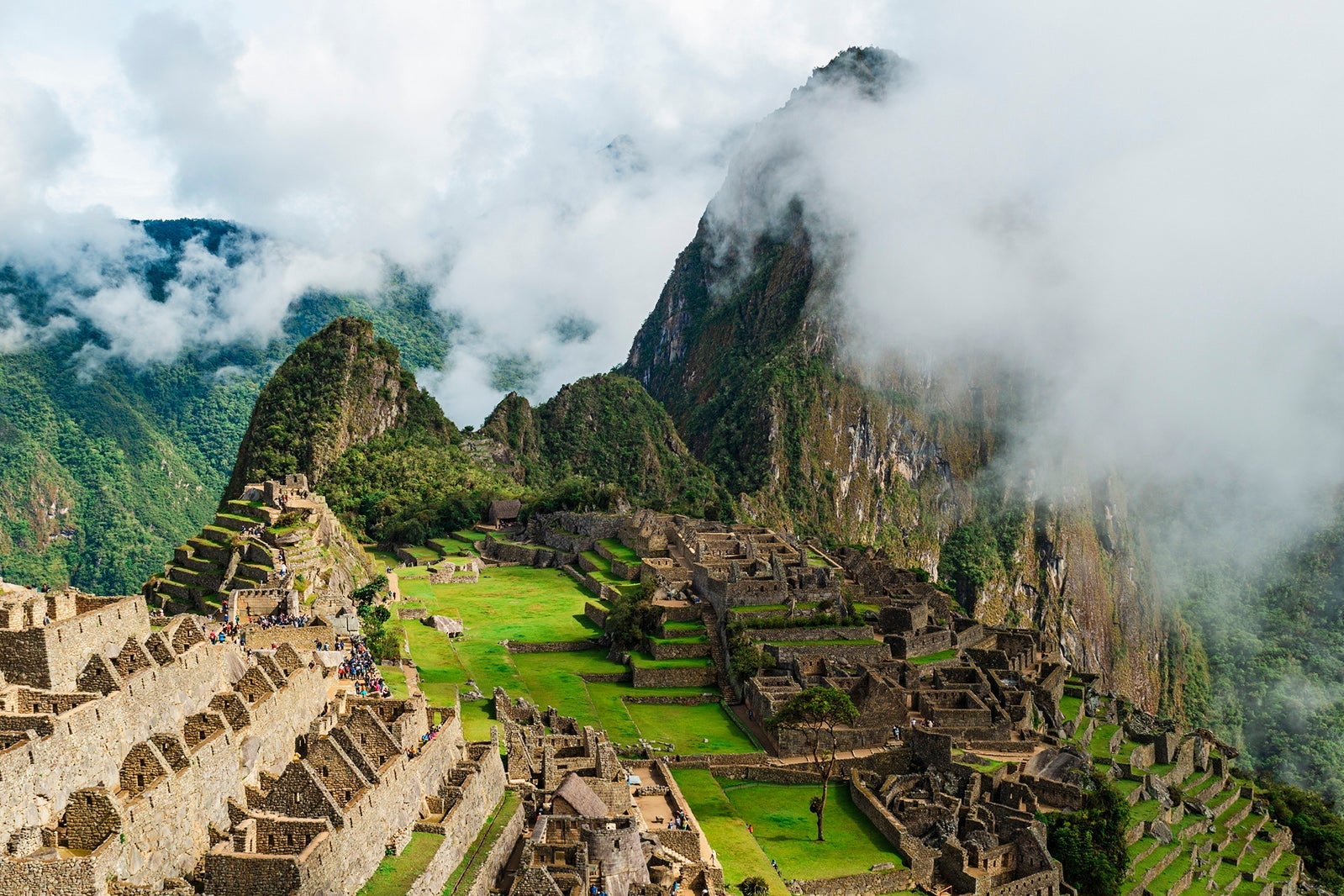
As with the southern U.S., El Nino is expected to bring wetter conditions to parts of South America. In particular, coastal Ecuador and northern Peru are at risk of heavy rains and flooding.
During the 1997-98 El Niño, Peru’s arid northern coast — which is accustomed to less than one inch of average rainfall per year — saw roads washed out and bridges destroyed by over 100 inches of rain. Even Lima and Machu Picchu, much farther south, have already seen disruptions due to flooding and landslides brought on by this year’s super El Nino.
You may want to avoid traveling to these regions in the coming months. If you do visit, be aware of the risks — I’ll discuss how to prepare yourself in a later section.
Related: We visited the New 7 Wonders of the World on 1 ticket — here’s how
Asia
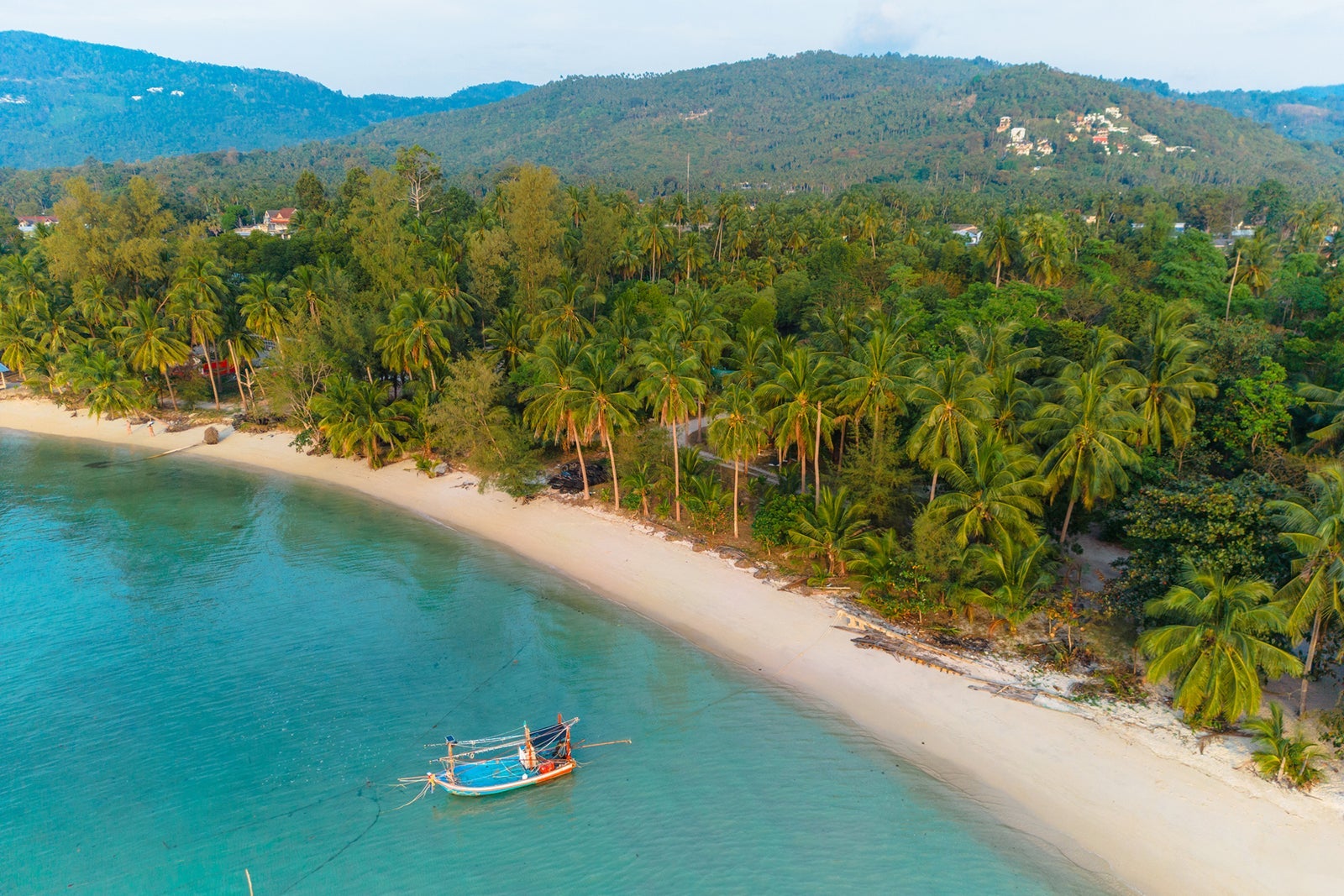
El Nino generally brings weaker monsoons to South and Southeast Asia. This can lead to more sunshine and ideal beach-going conditions in places like Bali, Thailand and the Philippines — tempered by more frequent wildfires, hazy skies and low air quality. The super El Nino of 2015-16 contributed to devastating fires in Indonesia, as well as one of Thailand’s worsts droughts in decades.
Similarly, Japan is likely to get less snowfall than usual this year, while Korea may experience a warmer and wetter winter — so keep that in mind if you’re considering a ski trip.
Related: Delta plans major Asia growth, confirms Singapore flights are coming
Africa
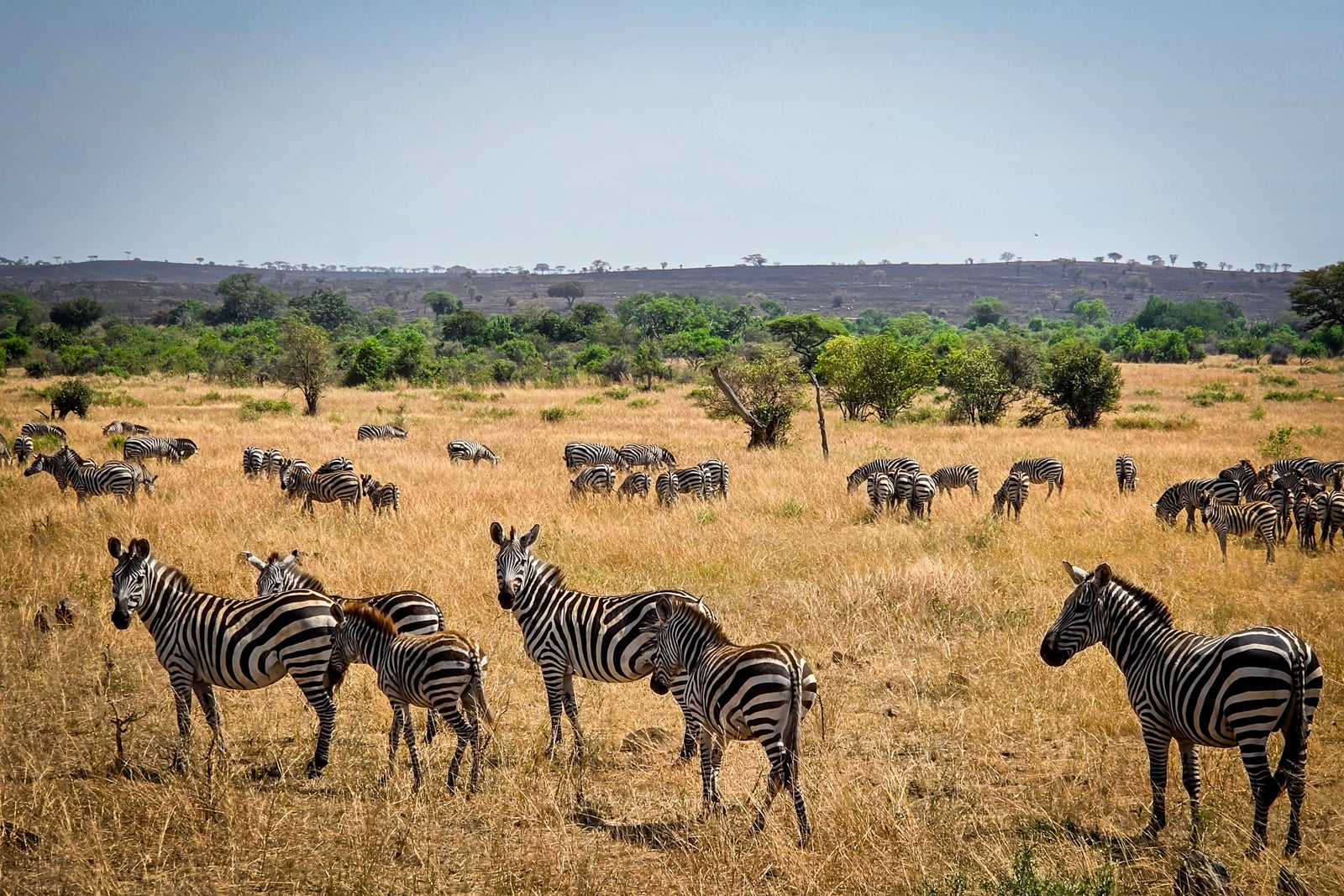
If you’re planning a safari, El Nino could impact your trip in multiple ways.
El Nino is known for bringing heavier short rains across East Africa between October and December, potentially making roads impassable and shutting down bush airstrips — though travelers who risk it will be rewarded with breathtaking emerald-green grasslands and vast flocks of migratory birds.
Some of Africa’s most popular safari destinations have already seen these effects firsthand. The super El Nino of 1997-98 left parts of Kenya cut off from the rest of the country, while the strong El Nino in 2023-2024 damaged hundreds of miles of road and dozens of bridges in Tanzania.
Conversely, the southern part of the continent, including tourist hotspots South Africa and Botswana, is likely to get drier. This could make Victoria Falls along the Zimbabwe-Zambia border less impressive and even lead to water restrictions at safari lodges. At the same time, drought could be good news for safari-goers, as animals can be easier to spot when they concentrate around scarce water sources.
Related: Marriott’s new rhino-focused luxury safari lodge is now taking reservations
Australia
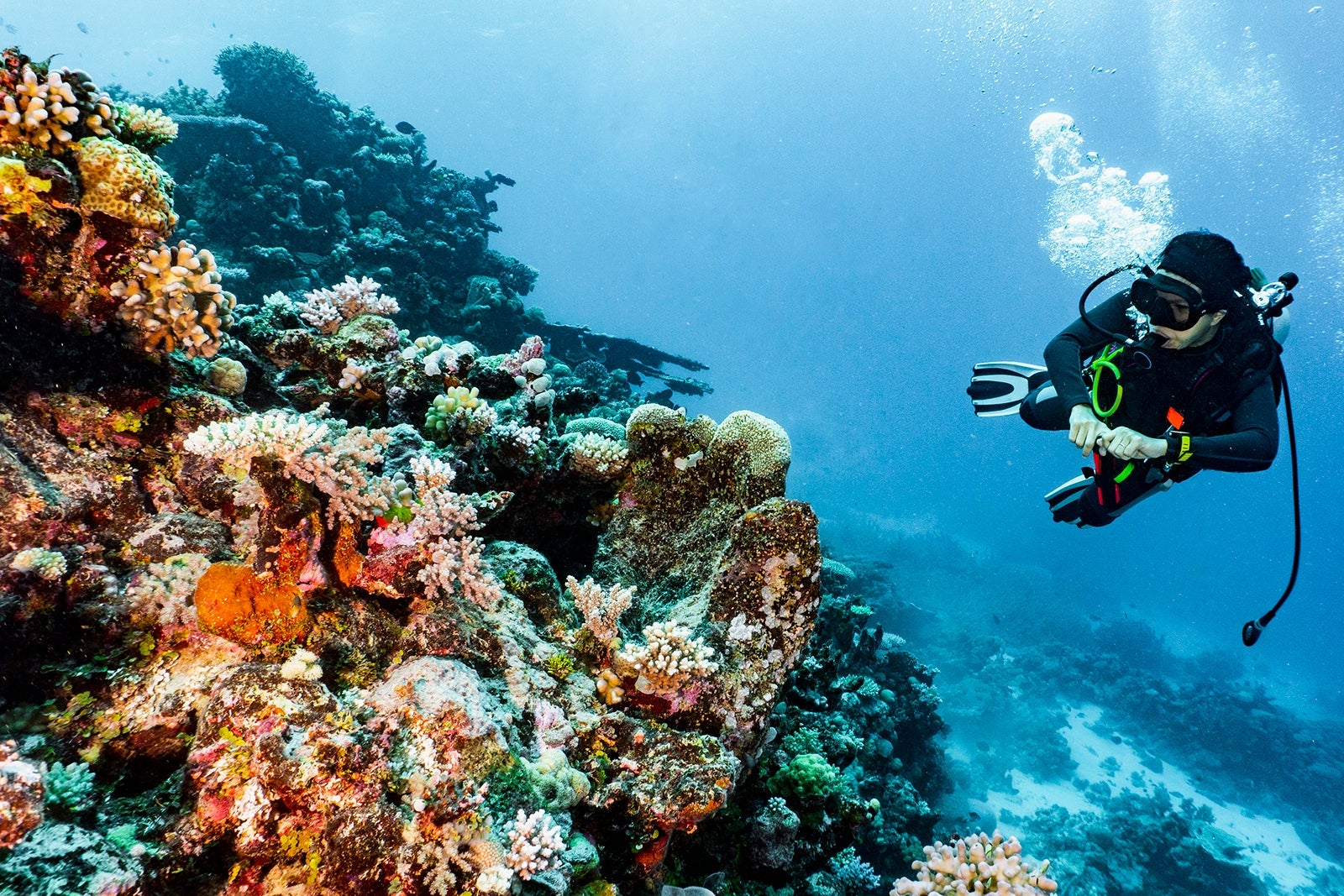
Since a spike in ocean temperatures is a hallmark of El Nino, it’s no surprise that this event can lead to mass coral reef die-offs. The historic 1997-98 event triggered the first documented global coral bleaching event, while the super El Nino in 2015-2016 ushered in the longest global coral bleaching event on record.
By spring and summer 2027, areas like the Great Barrier Reef will likely be feeling the effects of this year’s event. It could be a good idea to postpone a visit until the coral has had a chance to (hopefully) recover somewhat — both to ensure better underwater views and to minimize additional strain on an already stressed reef.
Australia’s underwater crown jewel isn’t the only area at risk. El Nino typically brings drought conditions to New South Wales, Queensland and other parts of inland Australia. This increases the risk of bushfires, particularly in the continent’s summer months (December to February). Travelers are more likely to face hazy skies, low air quality and travel disruptions as a result.
Related: I scored a lie-flat seat across the Pacific for just 75,000 miles by doing this 1 thing
Europe

Besides warming the surface of the Pacific, El Nino also contributes to higher air temperatures around the globe by releasing heat from the ocean into the atmosphere. This year’s event has already had a hand in sky-high temperatures this summer, and that trend will likely continue into 2027.
While Europe tends to be far enough removed from the Pacific to be spared most of El Nino’s effects, the continent has become increasingly prone to heatwaves. The most recent was in summer 2026, which broke temperature records in France, Germany and more.
If you want to beat the heat — and the dangers it poses — consider visiting Europe outside the peak summer months. (You’ll enjoy the added benefit of lower prices and thinner crowds.) Or, consider booking a coolcation elsewhere.
Related: 8 European destinations that are better in spring than summer
How to prepare

El Nino doesn’t guarantee any of the above conditions; it just increases their likelihood. Knowing how El Nino has historically affected different parts of the world can help you determine where and when to travel in the coming months.
But the key takeaway? Expect the unexpected. El Nino significantly raises the odds of severe and unpredictable weather events, which could lead to serious disruptions for unlucky travelers. Your best bet is to prepare yourself.
We always recommend traveling with trip insurance. The right coverage can protect you from financial loss if you are forced to cancel your trip, and even help you get home safely if disaster strikes.
Adding a cancel-for-any-reason clause to your policy is a great idea during El Nino years. Just keep in mind that this type of coverage must usually be purchased within a short time (anywhere from 24 hours to 21 days) after you make your first trip purchase.
Also remember to stay alert while traveling and prepare a contingency plan in case of emergency. Be sure to enroll your trip in STEP to be notified of weather events and other need-to-know updates.
Lastly, El Nino’s impacts can extend beyond the weather, as changing temperatures and rainfall can exacerbate the spread of water- and mosquito-borne diseases. For example, dengue fever cases surged across Southeast Asia and the Pacific Islands in the wake of the 2015-16 super event.
That makes it more important than ever to see a travel health specialist before your trip and get any vaccines or prophylactic medications you may need.
Related: The complete travel health checklist: How to stay safe abroad
Bottom line
This year’s El Nino is primed to impact countries around the world — but that doesn’t mean you should put travel in hold. Knowing how El Nino will likely influence weather patterns in your destination can help you plan your best trip.
That being said, super El Nino conditions make it more important than ever to prepare for the unexpected. Following the steps above can help you rest easy and stay safe. Plus, don’t miss these other practical tips:
Disclaimer : This story is auto aggregated by a computer programme and has not been created or edited by DOWNTHENEWS. Publisher: thepointsguy.com




