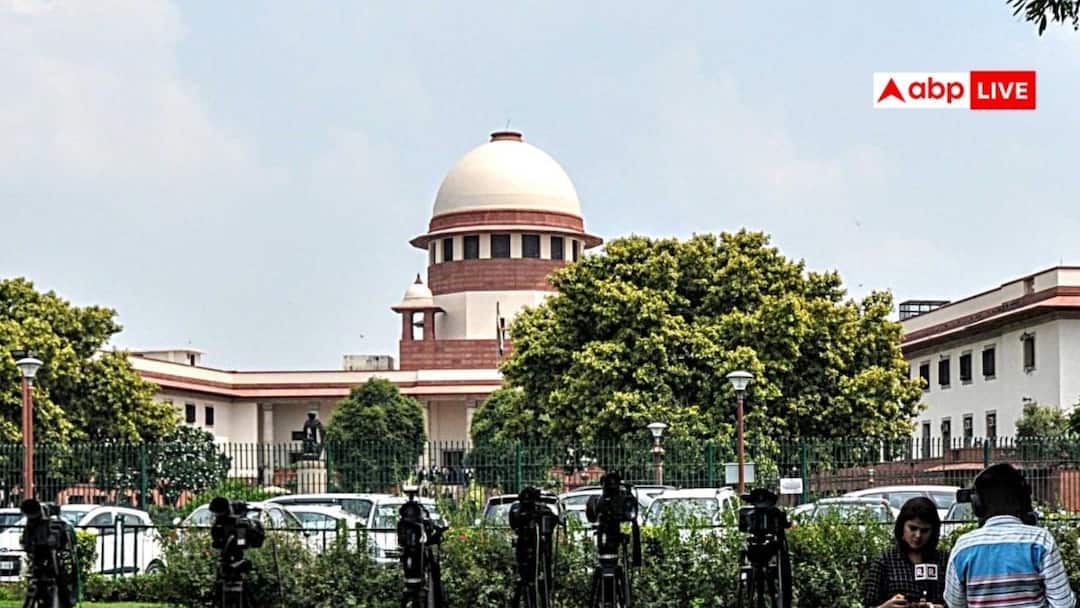
- Supreme Court mandates written grounds of arrest for all.
- Grounds must be understood; failure renders detention illegal.
- Re-arrest after illegal detention requires court, officer approval.
The Supreme Court on Monday held that a person’s fundamental right to personal liberty cannot be curtailed except through a procedure established by the Constitution, stressing that the safeguard applies even when an individual is accused of a serious offence or alleged anti-social activity.
A bench of Justices Ujjal Bhuyan and Atul S Chandurkar said investigating agencies must provide an arrested person with the grounds of arrest in writing at the time of arrest. The information must also be provided in a language that the accused can understand, the court said.
The ruling applies to arrests made under special laws, including the Prevention of Money Laundering Act (PMLA) and the Unlawful Activities (Prevention) Act (UAPA), irrespective of the nature or gravity of the alleged offence.
Supreme Court On Article 22 Safeguards
Explaining the protection guaranteed under Article 22 of the Constitution, the bench said informing an arrested person of the grounds of arrest is not a procedural formality but a mandatory constitutional safeguard.
The court said an arrest curtails a person’s right to liberty under Article 21, making it essential for the individual to know why they have been arrested. Failure to communicate the grounds of arrest “as soon as may be”, as required under Article 22(1), would violate the person’s fundamental rights and render the arrest illegal.
The bench emphasised that constitutional protections cannot be interpreted narrowly based on the circumstances or seriousness of a case. It said the safeguard covers all offences and cannot be diluted because of the nature of the allegations.
Illegal Arrest Cannot Lead To Immediate Re-Arrest
The Supreme Court also laid down a further safeguard in cases where an arrest is found to have violated Article 22.
The bench held that if an arrest is declared illegal because the constitutional requirement was not followed, the person cannot simply be arrested again in the same case. A fresh arrest would require approval from a senior police officer as well as permission from the court concerned.
The court stressed that constitutional violations must be dealt with strictly and cannot be justified by referring to the seriousness of the alleged offence. It said constitutional interpretation cannot depend on “ifs and buts” or be reduced to considerations below the constitutional threshold.
‘Gravity Of Evil’ Cannot Override Personal Liberty
Referring to the Supreme Court’s earlier judgment in the Prabhu Dayal Deorah case concerning preventive detention, the bench reiterated that the seriousness of an alleged threat to the community cannot by itself justify interference with an individual’s personal liberty.
“The gravity of the evil to the community resulting from anti-social activities can never furnish an adequate reason for invading the personal liberty of a citizen,” the court said, stressing that any such restriction must follow the procedure established by the Constitution and law.
The bench’s observations underline that the constitutional safeguards surrounding arrest apply regardless of the nature or gravity of the offence. The court said fundamental rights guaranteed by the Constitution cannot be subjected to a restrictive interpretation.
Disclaimer : This story is auto aggregated by a computer programme and has not been created or edited by DOWNTHENEWS. Publisher: abplive.com