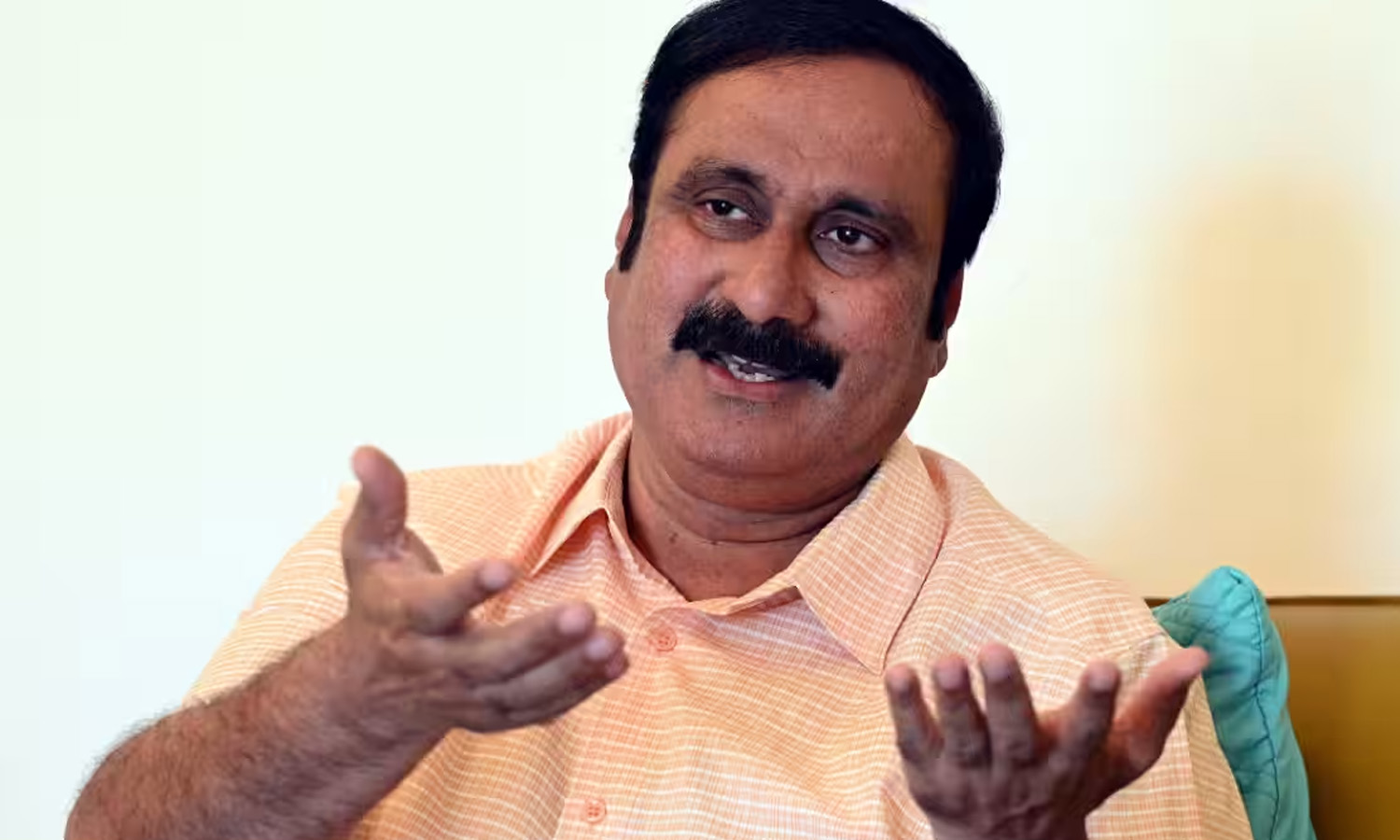
Chennai: Expressing deep concern over the sharp drop in Mettur dam’s water storage due to Karnataka “reducing” release of Cauvery water, PMK president Anbumani Ramadoss on Tuesday urged the Tamil Nadu government to provide direct relief packages to safeguard farmers’ livelihoods. In a party statement, Anbumani claimed that following a drastic reduction in water discharge from Karnataka reservoirs, inflow into the Mettur Dam plummeted to 2,281 cusecs.
“As a result, the dam’s water level has dropped to 84 feet (max 120 ft), with total storage shrinking to 46 TMC (thousand million cubic feet), just 49.21 per cent of its full capacity of 93.47 TMC”, the Rajya Sabha member said.
“With the current reserves capable of sustaining irrigation for only 35 days, serious doubts have emerged over the feasibility of the upcoming Samba paddy cultivation,” he added.
He expressed doubts if even an average northeast monsoon (Oct-Dec) would help address the situation.
According to Cauvery Water Disputes Tribunal and Supreme Court orders, Karnataka should have released 113.33 TMC of water to Tamil Nadu by September 22, but has delivered a “mere 43 TMC”, leaving a shortfall of 70 TMC, he said.
“With Karnataka’s reservoirs holding just 60 TMC (of which only 37 TMC is usable) and combined inflows falling to 6,695 cusecs against an outflow of 14,000 cusecs, water releases to Tamil Nadu risk being stopped entirely in the coming days”.
“Due to the acute water scarcity, nearly 40 per cent of the Cauvery delta land may remain uncultivated. Having already missed the Kuruvai cultivation season, farmers in these areas face a complete loss of their annual livelihood”, he claimed.
To address the challenges, the Tamil Nadu government should provide a compensation of Rs 25,000 per acre to the affected farmers who were unable to undertake Samba or Thaladi cultivation due to lack of water, extend a special Samba input assistance package of Rs 10,000 per acre to all participating farmers and guarantee continuous 3-phase electricity until February 2027 for the remaining 60 per cent of land relying on groundwater irrigation, he demanded.
He also urged the state government to issue clear advisories on direct seeding techniques, as nursery raising is no longer viable for late-September planting ahead of the monsoon, and ensure unrestricted availability of seeds, fertilizers, and micro-nutrients.
Disclaimer : This story is auto aggregated by a computer programme and has not been created or edited by DOWNTHENEWS. Publisher: deccanchronicle.com