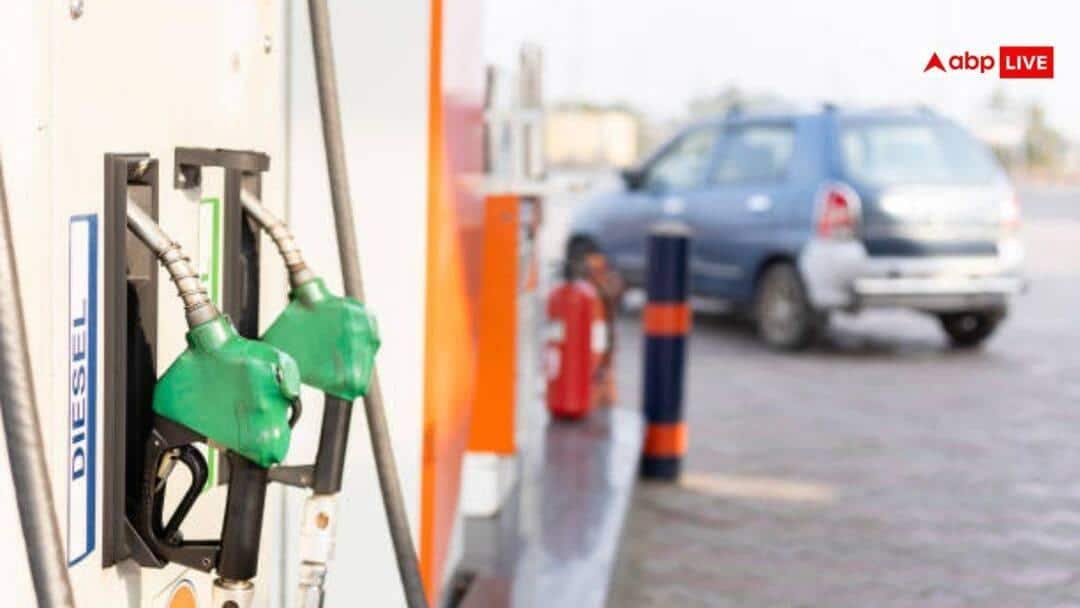
- Bangladesh hiked major petroleum product prices by Tk 20/litre.
- Government cited soaring international costs and preventing fuel smuggling.
- Fuel hike immediately triggered higher transport fares, freight charges.
Bangladesh has increased the prices of all major petroleum products by Tk 20 a litre, or around Rs 15, marking the third fuel price hike in seven months and pushing retail rates up by as much as 38.4 per cent since February.
The new prices came into effect from Monday, an Energy Ministry spokesperson said.
The ministry attributed the increase to a more than doubling of international fuel prices since March, along with a significant rise in freight costs amid regional instability.
Diesel, Petrol And Octane Prices Rise
Under the revised rates, diesel prices have increased 17.4 per cent to Tk 135 a litre from Tk 115.
The price of octane has risen to Tk 165 a litre from Tk 145, while petrol now costs Tk 160 compared with Tk 140 earlier. Kerosene prices have also gone up to Tk 155 a litre from Tk 135.
The latest increase follows fuel price hikes in April and June. All three increases came after the February 12 elections brought the Tarique Rahman-led Bangladesh Nationalist Party (BNP) to power.
BNP Defends Fuel Price Increase
BNP leaders defended the latest increase, citing higher international fuel prices.
Ruhul Kabir Rizvi, the party’s acting secretary general and an adviser to Prime Minister Tarique Rahman, said the government would still bear a Tk 70 loss per litre on diesel.
Rizvi said the price adjustment was also necessary to prevent cross-border smuggling, which occurs when domestic fuel prices are kept artificially low compared with neighbouring countries.
However, data indicate that diesel and other petroleum products were already more expensive in India and Myanmar than in Bangladesh before Monday’s increase.
Transport Fares Rise After Fuel Hike
The price increase immediately triggered demands for higher transport fares.
Transport owners announced increases of up to Tk 100 on long-distance routes, while commuters reported higher fares on some routes within Dhaka.
Container handling and freight charges have also increased. The Daily Star reported that logistics operators around Chattogram port had begun raising charges and seeking revisions to their rates.
Industry Warns Of Further Pressure
Business analysts warned that the fuel price increase could put additional pressure on industries, particularly the garment sector, amid existing gas and electricity shortages.
Bangladesh Chamber of Industries President Anwar-ul Alam Chowdhury Parvez said the government raised fuel prices at a time when inflation remained high and industries were already dealing with energy shortages and weak private-sector credit growth.
“The prices of goods will become uncontrollable because of the hike. People will lose their jobs, while many businesses will have to scale back their operations and non-performing loans in banks will increase,” he said.
Poor Households, Agriculture May Bear Impact
The Centre for Policy Dialogue, a leading Bangladeshi think tank, said the increase would have wide-ranging consequences, with poor and lower-middle-income families likely to be disproportionately affected as they spend a large share of their income on daily necessities.
Agricultural economists have also warned about the impact of the diesel price increase. About 70 per cent of the country’s irrigation pumps reportedly run on diesel.
Disclaimer : This story is auto aggregated by a computer programme and has not been created or edited by DOWNTHENEWS. Publisher: abplive.com