
If you moved to Germany with a skilled worker, you may be able to get permanent residency after just three years. But your partner’s job alone won’t qualify you: there’s a crucial work requirement of your own.
Moving to Germany for your partner’s job can feel like a leap in the dark. You may have left your own career behind, spent your first months getting to grips with German bureaucracy, or struggled with learning the language.
So you may be relieved to hear there’s a reward for all your hard work. Under a little-known rule that came into force back in 2024, the spouses of skilled workers can apply for a Niederlassungserlaubnis, or settlement permit, after three years in Germany rather than the usual five.
READ ALSO: Who can get permanent residency the fastest under Germany’s skilled worker law?
Here’s how the rule works.
Who qualifies for the three-year route?
The first thing to check is your partner’s residence status. To use this route, they need to hold a settlement permit under Section 18c of Germany’s Residence Act. That’s the provision covering permanent residency for skilled workers, including qualifying EU Blue Card holders.
Unfortunately, simply being married to someone with a skilled worker visa or Blue Card isn’t enough. Your partner needs to have already obtained permanent residency status themselves.
READ ALSO: Which residence permits qualify you for German citizenship?
You must also have held a German residence permit for at least three years and be living together as a married couple or registered civil partners. Most crucially, you also have to be working at least 20 hours a week.
That last point may rule out people who are currently at home looking after children, studying full-time without a job, or working fewer hours. Unlike in calculations of household income, your partners working hours don’t count towards your own.
What other conditions do I need to meet?
As with other routes to permanent residency, you’ll need to show that your household can support itself, that you have adequate health insurance and housing, and that there are no public security concerns preventing you from receiving a permit.
You’ll generally also need B1 German and basic knowledge of Germany’s legal and social system. That means passing a language exam and the Leben in Deutschland test.
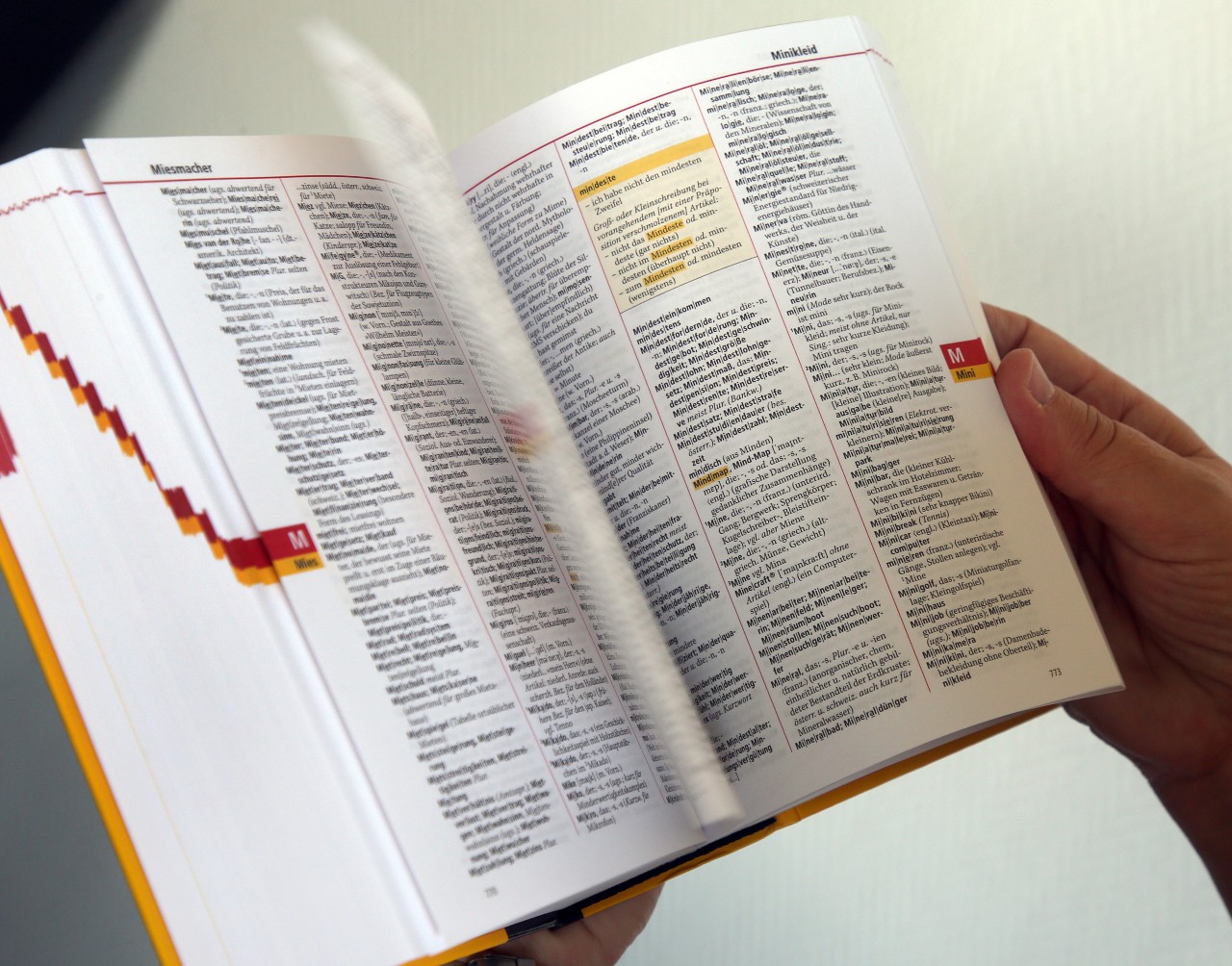
A woman consults the Duden German dictionary. Photo: picture alliance/dpa | Wolfgang Kumm
There is also one key difference from the five-year PR route: for the three-year track, spouses don’t have to demonstrate 60 months of pension contributions. That’s especially helpful for people whose work history in Germany has been a little patchy.
READ ALSO: When does your residency in Germany start counting toward citizenship?
If your partner doesn’t have a Section 18c settlement permit, it’s still worth checking which other routes might be open to you. For example, spouses living together can, under the general rules, rely on one partner meeting certain pension contribution and employment-related requirements. However, that route generally requires five years of residence.
Why wouldn’t I apply for citizenship instead?
Gaining permanent residency doesn’t rule you out from applying for citizenship later, and there are many reasons you might want permanent residency first. Since the current CDU/SPD coalition scrapped the three-year track to citizenship, most foreigners need at least five years of residence in order to become German citizens. That means you could qualify for permanent residency around two years before becoming eligible to naturalise.
Another thing to consider is the waiting times for citizenship. In some cities and states, you can expect to wait up to two years for an application to be approved. If you have permanent residence in the meantime, you can enjoy peace of mind, knowing you don’t have to navigate future visa appointments or worry about losing the right to stay.
READ ALSO: Expert advice for navigating life on a ‘temporary’ permit in Germany
It may also be a useful step if you want to stay in Germany but are on the fence about citizenship, or come from a country which would require you to give up your original passport. Having permanent residency offers you the right to reside in the country for as long as you want, change jobs, study, go freelance and even claim a number of social security benefits.
There are key differences, though. Permanent residency doesn’t give you a German passport and the full rights that come with citizenship, such as voting rights. It can also lapse in certain circumstances, including if you spend too long living outside Germany, so check the rules before a lengthy move abroad.
If your partner already has German citizenship, you may also have a quicker route to naturalisation. Spouses of German citizens can naturalise after living in Germany for three years and being married to a German for two.
READ ALSO: What’s the difference between German citizenship and residency?
How do I apply?
You can submit an application through your local Ausländerbehörde, or immigration office. Check out the website in the state or city where you live for the application and list of required documents, as procedures vary from place to place.
In many regions, including Berlin, Frankfurt and Munich, you can submit your application online.
Expect to provide your passport and current residence permit, proof of your partner’s Section 18c settlement permit, evidence you live together, and documents showing your working hours, income, health insurance, German language skills and knowledge of life in Germany.
The office may also ask for details of your housing and household finances, such as employment contracts from you and your partner.
Disclaimer : This story is auto aggregated by a computer programme and has not been created or edited by DOWNTHENEWS. Publisher: thelocal.de




