- Iran proposed reopening Hormuz, halting regional fighting within days.
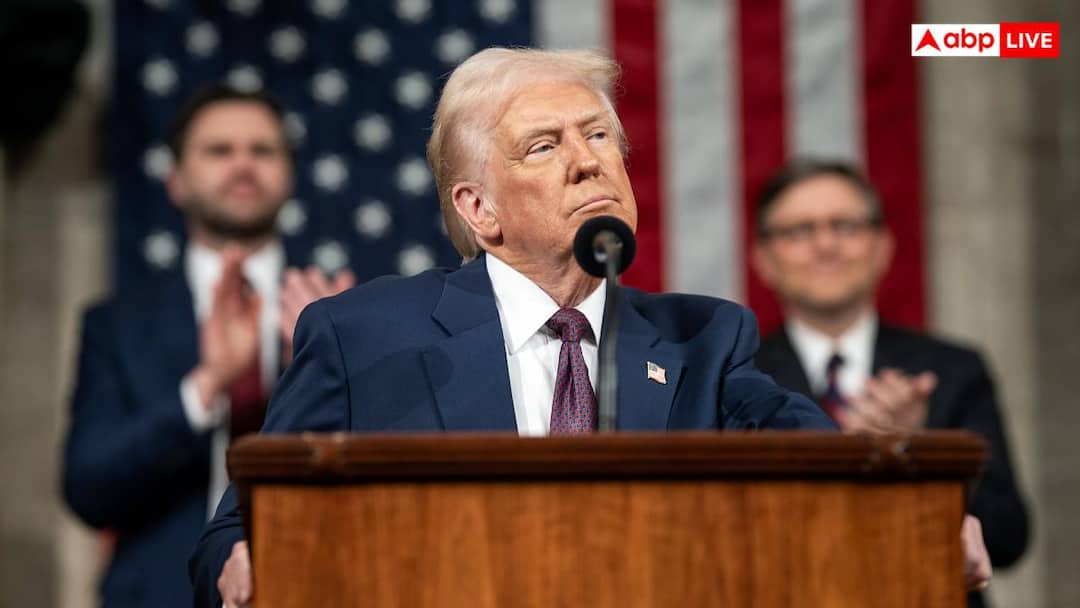
- President Trump rejected this proposal, expects renewed bombing campaign.
- Iran’s deal required US lifting sanctions, unfreezing funds.
- This latest diplomatic effort occurred amid widespread regional conflict.
US President Donald Trump has rejected an Iranian proposal to reopen the Strait of Hormuz and halt fighting across the region within seven days, while he has told aides that he expects US bombing of Iran to resume after November’s congressional elections, the Wall Street Journal reported on Friday, citing unnamed US officials.
Iranian Foreign Minister Abbas Araqchi said earlier on Friday that Tehran had conveyed a peace proposal to Washington through Qatari mediators.
Under the proposal, a deal would trigger a seven-day countdown for Iran to reopen the Strait of Hormuz and bring hostilities across the region to a halt.
“If there is seriousness on the US side to come to a deal and reopen the Strait of Hormuz, everything is now prepared,” Araqchi told reporters at the United Nations.
A US official separately told Reuters that Washington and Tehran were engaged in “positive and constructive discussions through the mediators”. However, according to the Wall Street Journal report, Trump remained privately skeptical that Iran would meet his demands.
The report said Trump had told his staff that he considered a renewed bombing campaign likely.
What Is Iran’s Proposal?
Araqchi said that if Washington agreed to the proposal, Iran would reopen the Strait of Hormuz and halt hostilities on all fronts, including Lebanon.
The two sides could then begin wider negotiations covering “mutually agreed subjects”, he said.
Tehran’s proposal would also require the United States to lift its blockade on Iranian ports, release Iran’s frozen funds and waive its oil sanctions.
The diplomatic efforts came as world leaders gathered in New York for the United Nations General Assembly, highlighting the wider impact of the seven-month-old conflict.
The fighting has disrupted oil flows through the Strait of Hormuz, one of the world’s most important shipping routes, while drawing regional and global powers deeper into the conflict.
ALSO READ: Trump Hails ‘Very Productive’ Talks With Xi Jinping, Says ‘Tremendous Things’ Ahead
Previous Diplomatic Efforts To End US-Iran War Failed
The seven-day proposal is the latest attempt to revive diplomacy after earlier efforts failed to bring an end to the war, which began on February 28 with US and Israeli strikes.
The conflict has since alternated between periods of fighting and pauses. Thousands have been killed, while Iran’s conventional military capabilities have been degraded and its already struggling economy has come under further pressure.
Iran and groups allied with Tehran have also expanded the conflict across the region.
Iran has launched drone and missile attacks against US allies in the Gulf, while its Houthi allies in Yemen have targeted Saudi interests. Iranian-aligned militias in Iraq have also been blamed for a pipeline attack that temporarily reduced Saudi oil supplies.
In Lebanon, Iranian-backed Hezbollah has been engaged in fighting with Israeli forces.
ALSO READ: ‘A Terrorist Country Is Asking Me That Question’: Jaishankar’s Sharp Reply To Pakistani Journalist
Saudi Arabia Steps Up Regional Coordination
The conflict in Yemen has added another layer to regional tensions, with the Saudi-backed, internationally recognised Yemeni government facing attacks from Iran-linked Houthi fighters and Houthi missiles striking inside Saudi Arabia.
Turkey and Pakistan, both partners with Saudi Arabia under a joint defence pact, held talks in Riyadh on Friday to review the security situation.
According to the Saudi defence ministry, defence officials from the two countries discussed intelligence cooperation, military coordination and the integration of forces.
The meeting came a day after Saudi, Pakistani and Turkish foreign ministers met under the framework of the Mecca Joint Defence Agreement.
The violence in Yemen has also triggered a fresh humanitarian crisis. The United Nations children’s agency said on Friday that acute malnutrition among children had increased.
Disclaimer : This story is auto aggregated by a computer programme and has not been created or edited by DOWNTHENEWS. Publisher: abplive.com