- India urges fair pathogen access, equitable benefits sharing.
- India stresses pandemic preparedness, resilient health systems, digital infrastructure.
- India provided vaccines, medical aid, fostering global health security.
- WHO emphasizes urgent PABS negotiations for future pandemic response.
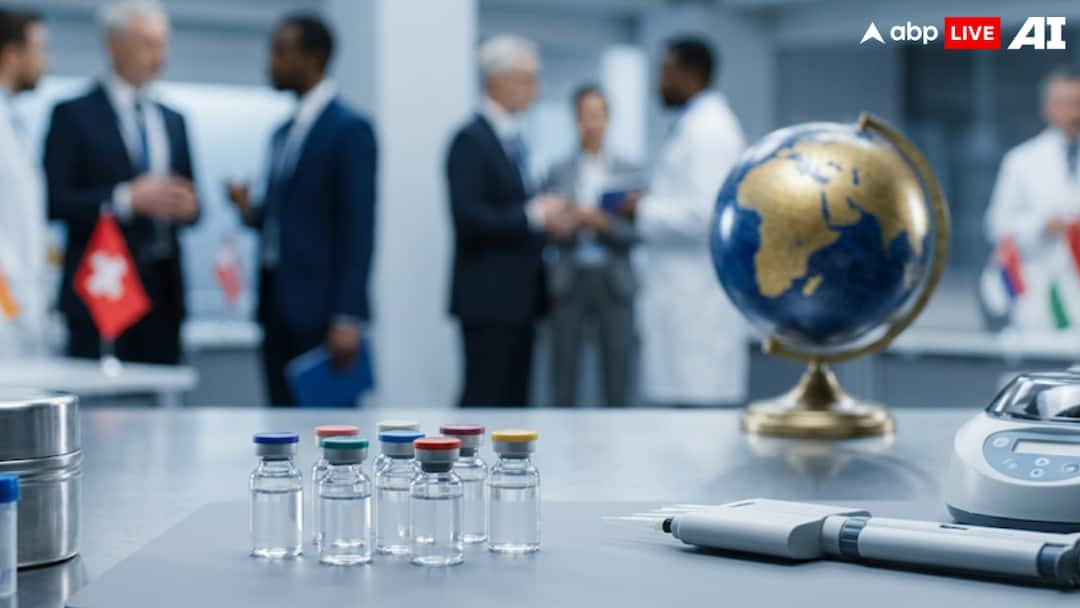
India has called for a fair and effective Pathogen Access and Benefit Sharing (PABS) system under the WHO Pandemic Agreement, stressing that countries sharing pathogens and biological resources should receive timely access to the vaccines, diagnostics, treatments and technologies developed from them.
ALSO READ: Cancer Drug MRP Rs 27K, Retail Price Rs 2.7K: Supreme Court Questions 10X Gap
India Pushes For Equitable PABS System
Speaking at a UN high-level meeting on pandemic prevention and response in New York, Health Secretary Punya Salila Srivastava emphasised the need for international cooperation to strengthen global health security.
She said countries that contribute pathogens and biological resources should have timely access to the resulting vaccines, diagnostics, therapeutics, technologies and other benefits. The PABS system is being developed as a key component of the WHO Pandemic Agreement, with negotiations focused on creating a framework for sharing pathogens and ensuring equitable access to benefits arising from their use.
Srivastava also highlighted the importance of turning the lessons of the COVID-19 pandemic into long-term investment, stronger institutions and resilient health systems. She stressed that pandemic preparedness should be integrated into national health systems, development plans and domestic financing, while international assistance should complement countries’ own responsibilities.
ALSO READ: 47 Essential Cancer Drugs ‘Unavailable’ At Delhi Govt Hospital, Patients Report Extra Costs
India Highlights COVID Lessons And Digital Health
Srivastava outlined India’s coordinated approach to pandemic prevention and response, involving different levels of government and society. The country’s preparedness efforts include expanding laboratory networks, emergency coordination mechanisms, the health workforce, stockpiles and clinical care capacity.
Drawing on India’s experience during the COVID-19 pandemic, she also called for digital public infrastructure to be recognised as a global public good. According to the Health Ministry, digital systems played an important role in surveillance, vaccination, risk communication, supply chains and maintaining health services during the pandemic.
India supplied 300 million vaccine doses to around 100 countries and two UN entities during the COVID-19 pandemic, while also providing medical assistance to more than 150 countries. These efforts reflected its commitment to the principle of “One Earth, One Health” and support for the Global South.
WHO Director-General Dr Tedros Adhanom Ghebreyesus also highlighted progress in strengthening global health security since COVID-19, including the WHO Pandemic Agreement and amendments to the International Health Regulations.
He stressed the urgency of concluding negotiations on the PABS system, warning that delays could affect the world’s ability to respond effectively to future pandemics. The WHO has said the PABS annex is intended to facilitate timely pathogen sharing alongside rapid and equitable access to vaccines, medicines, diagnostics and other benefits.
(WIth inputs from IANS)
Check out below Health Tools-
Calculate Your Body Mass Index ( BMI )
Calculate The Age Through Age Calculator
Disclaimer : This story is auto aggregated by a computer programme and has not been created or edited by DOWNTHENEWS. Publisher: abplive.com