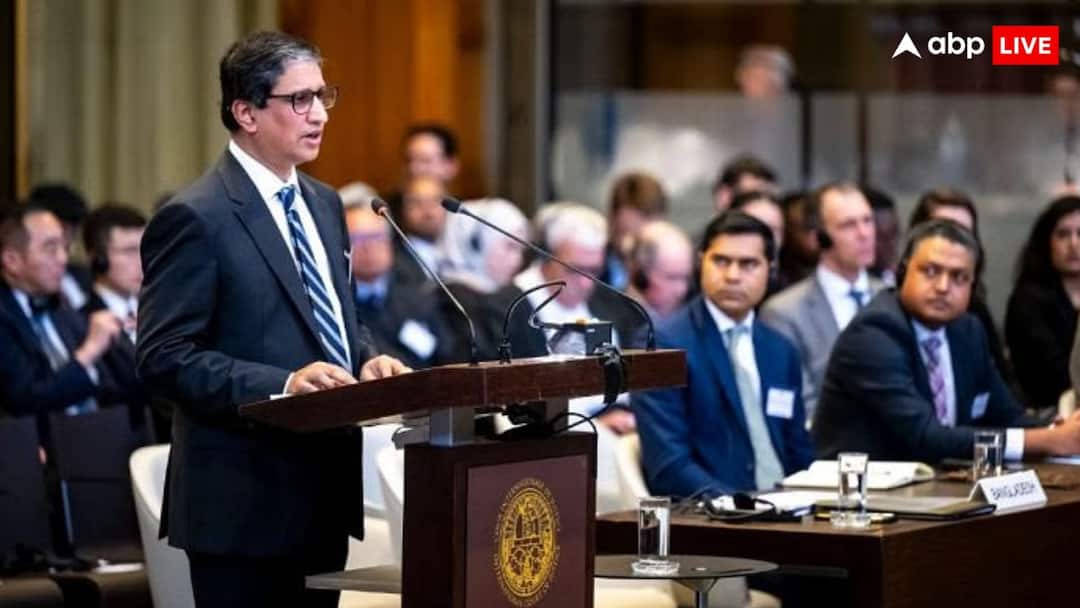
- Bangladesh envoy called India-Bangladesh ties organic and interdependent.
- He stressed strengthening people-to-people contacts, especially among students.
- Ilish Fest celebrated cultural ties, bringing diverse people together.
- The festival also served as High Commissioner’s gratitude gesture.
Bangladesh High Commissioner to India Riaz Hamidullah has described the relationship between the two neighbouring countries as “organic” and rooted in mutual interdependence, saying differences in views and approaches should not prevent continued engagement and dialogue.
Speaking to ANI, Hamidullah said India’s geographical proximity to Bangladesh and the close links between their people made sustained engagement important, even when the two countries did not see issues in the same way.
“This is a relationship which, on several occasions, I have said is organic and based on mutual interdependence. It is a relationship which is in our shared interests,” the Bangladesh envoy said.
Acknowledging that differences could arise between the two countries, Hamidullah said such disagreements were a natural part of a close relationship and should not bring communication to a halt.
“Like any other relationship, and when we have such intimate shared geography, it is only logical that we may have differences in views, perspectives, and sometimes approaches as well, but despite those differences, we must remain engaged and carry on the conversation,” he said.
Bangladesh Envoy Seeks More People-To-People Engagement
Hamidullah also stressed the importance of strengthening people-to-people contacts between India and Bangladesh, particularly through students and educational institutions.
“We need to unpack the interaction between people far more than it is today. For example, among students, among school-going children and among universities,” he said.
The envoy said greater engagement in these areas could reach “millions” of people and make a “distinct difference” to the relationship between the two countries.
He made the remarks while reflecting on the significance of the Ilish Fest hosted by the Bangladesh High Commission in New Delhi.
For Hamidullah, the event was not simply a celebration of Bengali culinary traditions but also an opportunity to bring people together and encourage conversations across different sections of society.
ALSO READ: India Pushes For Fair Pathogen Access And Benefit Sharing Under WHO Pandemic Agreement
‘Ilish Is Not Only About Economics’
Speaking about the popularity of ilish, Hamidullah said the fish held an emotional and cultural significance for Bengalis on both sides of the border.
“Ilish is a fish which makes every Bengali, whether from Bangladesh or any part of India, literally rejoice — or maybe dance,” he said.
The envoy also noted that ilish had implications beyond food and culture.
“Ilish is not only about economics; sometimes it gets into politics as well,” he said.
The Bangladesh High Commission first hosted the festival on September 27 last year. Hamidullah said holding the event again on the same date a year later reflected the significance he attached to the occasion.
“I realised that it is not simply about celebrating a culinary heritage. Ilish, to me, is a symbol,” he said.
He said bringing people together over food and culture could encourage conversation, soften “lines and apprehensions” and create a sense of togetherness.
ALSO READ: ‘Only Negotiated Solution’: Iran Awaits Formal US Response After Trump Rejects 7-Day Hormuz Plan
‘A Modest Way Of Saying Thank You’
Hamidullah, who is nearing the completion of his one-and-a-half-year tenure in New Delhi, described the latest edition of the festival as a gesture of gratitude towards people he had met during his time in India.
“I stand at the cusp of completing my 1.5-year term in Delhi. Holding it this time was a modest way of saying thank you to so many friends from different strata of society, economy, and polity, and to say that this is a relationship which has moved deeply with the people of India,” he said.
He also highlighted the participation of several prominent Indian personalities at the event, saying their presence reflected its broader objective of bringing people together.
“In the presence of the likes of Manishankar Aiyar, MJ Akbar, Syeda Hameed, Jyoti Malhotra and Ashis Nandy, when we all stood together, shoulder to shoulder, I think that was another way of bringing people together from India, in India,” Hamidullah said.
“While it was fun, I think it also struck several important chords,” he added.
Disclaimer : This story is auto aggregated by a computer programme and has not been created or edited by DOWNTHENEWS. Publisher: abplive.com