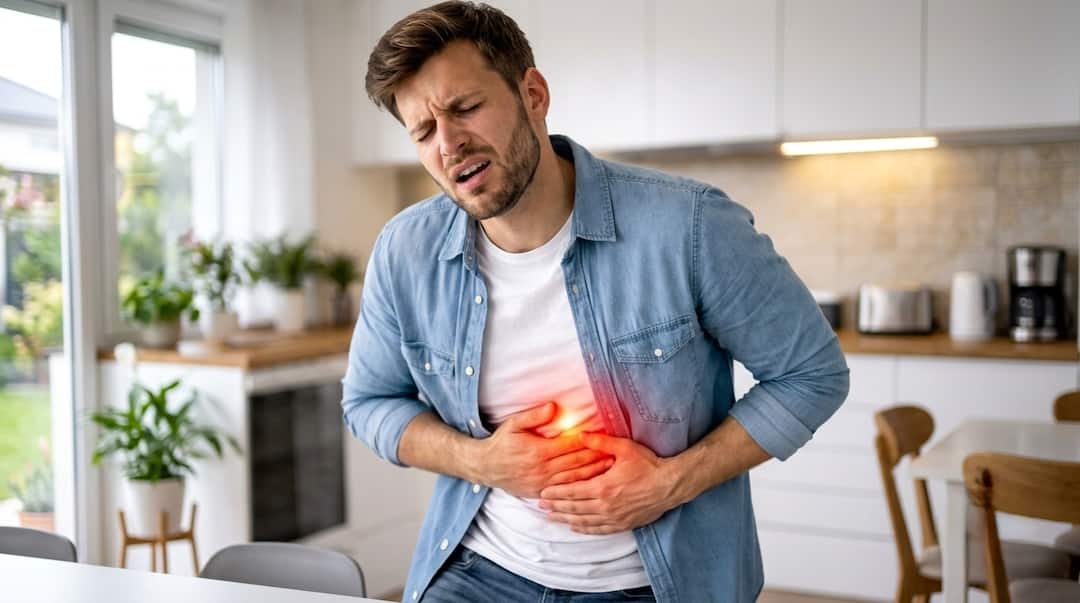
- Chest burning after eating often indicates acid reflux.
- Heavy meals, spicy foods, lying down worsen symptoms.
- Lifestyle changes, avoiding triggers, smaller meals help.
- Seek medical help for severe or persistent chest discomfort.
You often experience a burning sensation in your chest after eating? While many people immediately assume it is gas or acidity, the discomfort can often be linked to heartburn or acid reflux. In some cases, certain eating habits and lifestyle factors can make the symptoms worse. The burning sensation may start in the chest and sometimes move upwards towards the throat. It can also be accompanied by a sour taste in the mouth, burping or throat irritation. So, what causes chest burning after meals, and what can you do to prevent it?
READ MORE | Doc Talk | Prostate Cancer Is Rising Among Indian Men: Why Ageing And Family History Matter
Why Does The Chest Burn After Eating?
One of the most common reasons for a burning sensation after meals is acid reflux. This happens when stomach acid flows back into the food pipe, also known as the oesophagus. Normally, a muscle at the lower end of the food pipe acts like a valve and prevents stomach contents from moving upwards. If this muscle relaxes too often or does not close properly, stomach acid can travel back into the oesophagus and cause irritation. This may lead to a burning sensation commonly known as heartburn.
Heavy Meals Can Trigger Heartburn
Eating a large or heavy meal can increase the chances of acid reflux. Overeating can put additional pressure on the stomach, making it easier for stomach contents to move upwards. Eating slowly and having smaller portions may help reduce discomfort in people who frequently experience these symptoms.
Spicy And Fried Foods May Worsen The Problem
Certain foods can trigger heartburn in some people. Spicy, fried and high-fat foods are commonly associated with worsening reflux symptoms. Some people may also experience symptoms after consuming coffee, tea, chocolate, carbonated beverages or other individual food triggers. However, triggers can vary from person to person. Keeping track of foods that repeatedly cause discomfort can help identify personal triggers.
Do Not Lie Down Immediately After Eating
Going to bed or lying down immediately after a meal may make acid reflux worse. When you lie down, stomach acid can move towards the food pipe more easily. Therefore, avoid lying down immediately after eating, especially after a heavy dinner. Maintaining a gap between your evening meal and bedtime may help reduce nighttime reflux symptoms.
READ MORE | Turned 30? These Health Tests Can Help Detect Silent Health Problems Early
Lifestyle Changes May Help
Simple changes in eating and daily habits may help reduce occasional heartburn. Avoid overeating, identify foods that trigger your symptoms and stay upright after meals. If symptoms occur frequently, keep a record of when they happen and what you ate beforehand. This information can also be useful when discussing the problem with a healthcare professional.
When Should Chest Burning Be Taken Seriously?
Chest burning should not always be assumed to be acidity. If chest discomfort is severe or accompanied by shortness of breath, cold sweating, dizziness, vomiting or intense pressure or pain, seek urgent medical attention. Persistent or recurring chest discomfort should also be evaluated by a doctor to determine the underlying cause. Chest burning after eating is commonly associated with heartburn and acid reflux, and certain foods, heavy meals and lying down soon after eating can make symptoms worse. Making changes to eating habits and avoiding personal triggers may help manage occasional symptoms. However, unusual, severe or persistent chest discomfort should not be self-diagnosed as acidity. Medical advice is important when symptoms are concerning or keep returning.
[Disclaimer: This article is for general informational purposes only and does not replace professional medical advice. If you experience severe or persistent chest pain or other concerning symptoms, consult a healthcare professional promptly.]
Check out below Health Tools-
Calculate Your Body Mass Index ( BMI )
Calculate The Age Through Age Calculator
Disclaimer : This story is auto aggregated by a computer programme and has not been created or edited by DOWNTHENEWS. Publisher: abplive.com