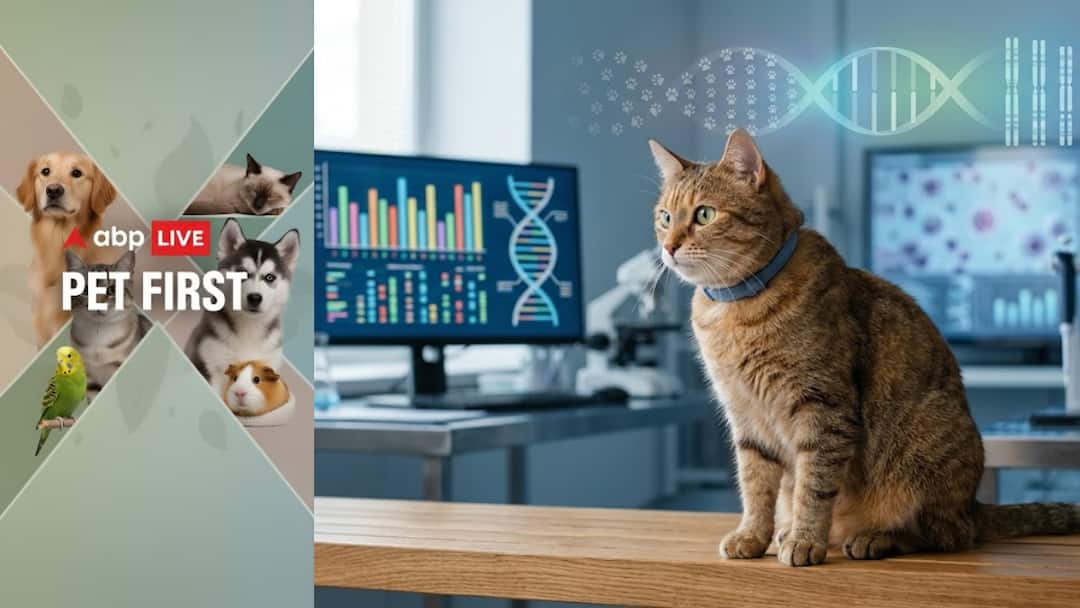
- Large study reveals strong cancer genetic links in cats.
- Specific FBXW7 mutation identified in aggressive feline mammary cancers.
- Cats’ shared environment offers clues for human environmental cancer risks.
- Study supports precision oncology, benefiting cats and humans.
A large international study of cancer genetics in house cats has uncovered striking similarities between feline and human tumours. The findings could help researchers develop more precise cancer treatments for cats while providing fresh clues about how cancers develop and respond to medicines in humans.
ALSO READ: Pet First | Dogs Show Human-Like Brain Response To Speech Patterns, Study Finds
Study Opens New Window Into Cat Cancer Genetics
Scientists have analysed the genetics of cancer in cats on an unprecedented scale, helping to shed light on what researchers previously described as a genetic “black box”.
Published in Science, the international study examined cancer samples from almost 500 domestic cats across five countries. Researchers identified genetic mutations linked to different feline cancers and created a freely available resource that could support further studies into cat cancer.
Cancer is among the leading causes of illness and death in cats. However, scientists have historically had far less information about the genetic changes driving feline tumours than they have for human and canine cancers.
Dr Geoffrey Wood, a pathobiology professor at the University of Guelph and co-senior author of the study, highlighted how limited the available knowledge had been.
“Despite domestic cats being common pets, there was very little known about the genetics of cancer in these animals,” Wood says, “until now,” as quoted by ScienceDaily.
The researchers looked for mutations and other genetic alterations that allow cancer cells to grow and survive. Many of the cancer driver genes identified in cats were already known to play a role in human and dog cancers.
FBXW7 Mutation Emerges As A Key Finding
One of the strongest similarities emerged in aggressive mammary cancers, which develop in breast tissue.
More than half of the feline mammary tumours examined contained mutations in FBXW7, making it the most frequently identified driver gene in these cancers.
FBXW7 normally helps regulate proteins involved in cell growth and division. Damage to the gene can allow growth-promoting proteins to build up, potentially supporting the survival and spread of cancer cells.
The researchers noted a parallel with human breast cancer, where FBXW7 mutations have been associated with poorer outcomes.
The study also found genetic similarities between feline and human cancers involving the blood, bones, lungs, skin, gastrointestinal system and central nervous system.
Cats Could Provide Clues About Environmental Cancer Risks
The findings may be particularly valuable because domestic cats frequently share their living environments with humans.
Pets can encounter some of the same potential environmental exposures as their owners, including household chemicals, air pollution and smoke. This gives researchers an opportunity to explore how environmental factors and genetics may interact in naturally occurring cancers.
Wood said the research could help scientists investigate these connections and explore potential approaches to cancer prevention and treatment.
“This study can help us understand more about why cancer develops in cats and humans, how the world around us influences cancer risk, and possibly find new ways to prevent and treat it,” says Wood as quoted by the website.
ALSO READ: Pet First | Is Your Dog Asking For Sweets This Festive Season? 4 Reasons To Keep Them Away
Genetic Findings Could Support Precision Cancer Treatment
The research also examined whether genetic differences in feline tumours could affect responses to cancer drugs.
Researchers found that some chemotherapy medicines were more effective against cat mammary tumour tissue carrying mutated FBXW7. However, the observation was made in tissue samples and does not establish that the same treatment strategy would work in living cats or humans.
The findings nevertheless point towards the potential of precision oncology, an approach that uses the genetic and molecular characteristics of an individual tumour to help determine treatment.
Dr Sven Rottenberg, co-senior author at the University of Bern, said the scale of the research made it possible to examine drug responses in a way that had previously been difficult.
“Having access to such a large set of donated tissues allowed us to assess drug responses across tumor types,” says Dr Sven Rottenberg, co-senior author at the University of Bern, “in a way that hasn’t been possible at this scale before,” as quoted by the website.
What Cat Cancer Research Could Mean For Humans
The project involved scientists from the Wellcome Sanger Institute, the University of Guelph’s Ontario Veterinary College, the University of Bern and other institutions.
Instead of collecting new samples specifically for the study, researchers sequenced DNA from tissues that veterinarians had already collected during diagnostic procedures. This enabled them to examine naturally occurring cancers across a large group of cats.
The work also supports the broader One Medicine approach, which recognises the potential for human and veterinary medicine to inform each other.
Cancer treatments developed for humans could potentially be studied in cats with naturally occurring tumours, while findings from feline cancer research and clinical trials may offer clues for future human studies.
Bailey Francis, co-first author at the Wellcome Sanger Institute, also pointed to the value of collaboration across fields.
“When knowledge and data flows between different disciplines, we can all benefit.”
Researchers hope the newly created genetic database will eventually contribute to more personalised cancer care for cats.
Dr Louise Van Der Weyden, senior author at the Wellcome Sanger Institute, said the findings provide a foundation for advancing feline cancer research.
“We can now begin to take the next steps forwards towards precision feline oncology, to catch up with the diagnostic and therapeutic options that are available for dogs with cancer, and ultimately one day, humans.”
[Disclaimer: The information provided in this article is based on findings from a scientific research study and is intended for general informational purposes only. The study’s findings should not be interpreted as definitive evidence of canine language understanding or behaviour. Readers should refer to the original research and qualified animal behaviour or veterinary professionals for further guidance.]
Disclaimer : This story is auto aggregated by a computer programme and has not been created or edited by DOWNTHENEWS. Publisher: abplive.com