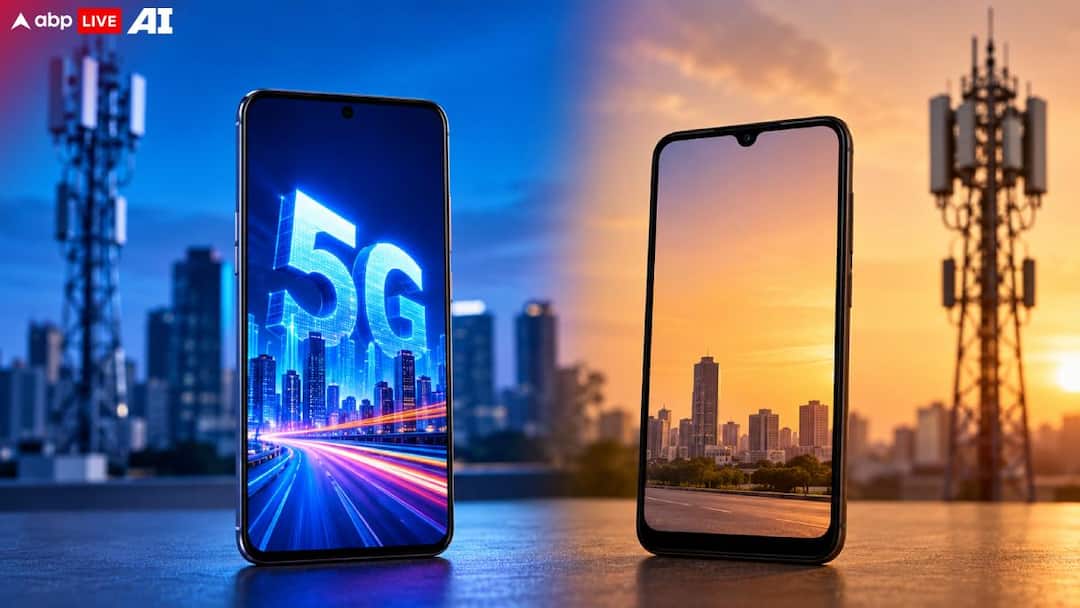
- 5G dominance challenged as 4G smartphones regain market share.
- Rising component costs, especially RAM, impact affordable 5G options.
- Budget buyers increasingly choose 4G as an affordable alternative.
- This trend may slow 5G adoption among budget users.
For years, 5G was expected to become the default choice for smartphone buyers in India, with 4G gradually fading into the background. The market, however, appears to be moving in a different direction. Rising component costs, particularly for RAM, have made affordable 5G smartphones harder to find, pushing some budget-conscious consumers towards 4G devices.
4G smartphones accounted for around 11 per cent of the Indian smartphone market in 2025. That share is expected to rise to 13 per cent in 2026 and could reach 15 per cent in 2027. The shift comes at a time when smartphone manufacturers are dealing with higher memory costs and increasing pressure on device pricing.
ALSO READ: iPhone 18 Pro Max First Impressions: Apple’s Biggest Upgrade Is Hiding In The Camera
Rising RAM Costs Are Changing The Budget Phone Game
The smartphone market has faced considerable cost pressure in 2026, partly driven by growing demand for AI-related hardware. Higher demand for memory has pushed up RAM prices, forcing smartphone brands to rethink the specifications they can offer at different price points.
A year ago, consumers could find smartphones priced around Rs 20,000 with 6GB or 8GB of RAM. The situation has changed, with 4GB RAM smartphones making a comeback in the same broad price bracket.
This has also made it more difficult for consumers to find well-equipped 5G smartphones in the Rs 15,000 to Rs 20,000 segment. Buyers looking for a 5G device with adequate RAM and a stronger overall specification package may now have to stretch their budgets further.
Check out budget-friendly smartphone deals on Amazon ahead of the festive sale.
Why Budget Buyers Are Turning Back To 4G
According to recent research from Counterpoint, the price gap between 4G and 5G smartphones has widened because of higher costs for components and other parts. This has made 5G devices relatively more expensive for consumers shopping in the entry-level and affordable segments.
For buyers with a budget of around Rs 25,000 to Rs 30,000, finding a capable 5G smartphone with 6GB RAM is relatively easier. However, those spending between Rs 15,000 and Rs 20,000 may have to compromise on memory or other specifications.
That is creating an opening for 4G phones. Consumers spending below Rs 10,000, as well as those in the Rs 10,000-Rs 20,000 category, are increasingly looking at 4G devices as a more affordable alternative.
The 5G Revolution Has Taken An Unexpected Turn
When 5G services launched in India in October 2022, the expectation was that affordable 5G smartphones would quickly become mainstream. By the beginning of 2023, several manufacturers had already introduced 5G phones in the Rs 10,000-Rs 20,000 segment.
At the time, it appeared that 4G smartphones could eventually disappear from the market as manufacturers shifted their focus entirely towards 5G. Current market conditions are challenging that assumption.
Counterpoint’s research indicates that 4G smartphones could account for 13 per cent of the overall market in 2026, compared with 11 per cent in 2025. The share could rise further to an estimated 15 per cent in 2027. Wholesale shipments are also expected to register a 3 per cent year-on-year increase.
Indian Brands Are Also Entering The 4G Space
Manufacturers appear to be responding to the potential demand for affordable smartphones. Several Indian brands have entered the smartphone market recently, with companies such as Boult and Mivi bringing their devices to consumers.
The growing availability of 4G smartphones could give consumers more options at lower price points. For buyers who primarily need a phone for calling, messaging, social media, streaming and other everyday tasks, a reasonably priced 4G device could remain an attractive proposition.
The trend could, however, create a different challenge for telecom operators. If more consumers continue choosing 4G smartphones instead of upgrading to 5G devices, the transition towards higher 5G data consumption could slow among budget users.
The resurgence of 4G does not necessarily mean that 5G is losing its long-term relevance. Instead, it highlights how smartphone prices and component costs can influence consumer choices. As manufacturers navigate higher hardware costs, India’s budget smartphone market could continue to maintain a place for 4G devices.
Disclaimer : This story is auto aggregated by a computer programme and has not been created or edited by DOWNTHENEWS. Publisher: abplive.com