
- India launched ₹84,000-crore Samudra Manthan for hydrocarbon exploration.
- The scheme targets reducing import dependence, boosting domestic energy.
- Space and nuclear sectors also reformed, opening private involvement.
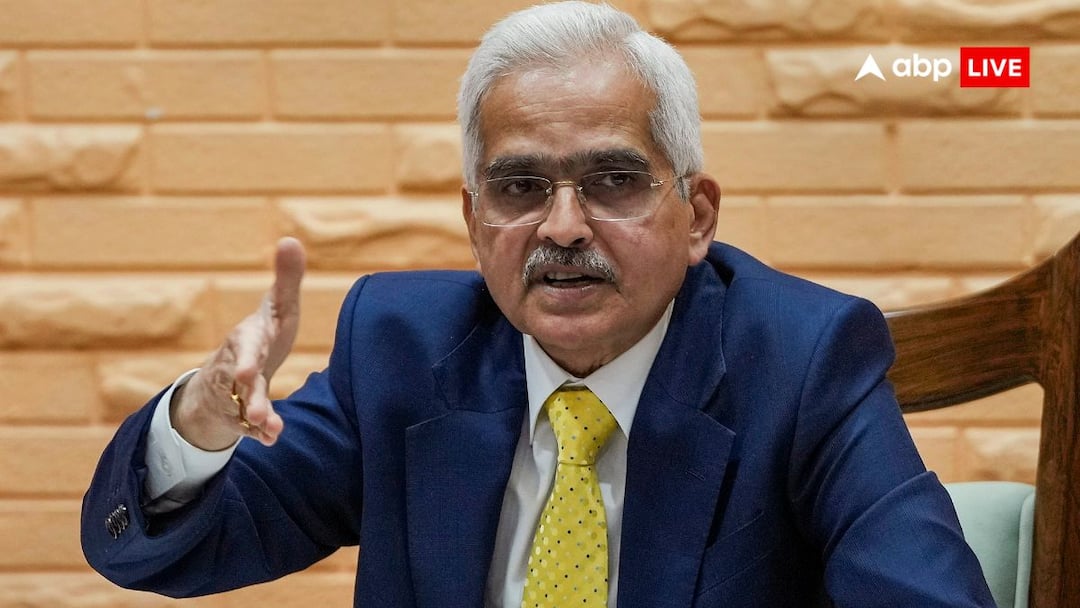
India needs to reduce its dependence on imported oil and gas, Principal Secretary to Prime Minister Narendra Modi, Shaktikanta Das, said on Tuesday, highlighting the government’s Rs 84,000-crore Samudra Manthan scheme as a key push to expand domestic hydrocarbon exploration and production.
Addressing the launch of the India and the Emerging Economic Order Forum (IEOF) in New Delhi, Das said India remained “highly dependent on imported oil and gas” and needed to bring down its import dependence.
Rs 84,000-Crore Samudra Manthan Scheme
Das said the government had approved the Samudra Manthan national offshore exploration programme in July 2026, with a Phase 1 outlay of Rs 84,000 crore up to the financial year 2030-31.
“To achieve this, the Samudra Manthan, that is the national offshore exploration in deep waters, was approved in July 2026 with a Phase 1 outlay of Rs 84,000 crore for up to the financial year 2030-31. This will provide a strong impetus to hydrocarbon exploration and production,” he said.
The Union Cabinet had in July approved the Samudra Manthan, National Offshore Exploration Scheme with an outlay of ₹84,084 crore through 2030-31.
The scheme is aimed at accelerating exploration and production in deep-sea and ultra-deep-sea areas, strengthening domestic hydrocarbon output and reducing dependence on imported energy. The government expects the programme to catalyse reserve accretion of more than 600 million tonnes of oil and oil-equivalent gas.
Space, Nuclear Energy Among Reform Areas
Das identified Samudra Manthan as one of three ongoing areas of reform that could offer lessons for the Global South. The other two areas highlighted by him were India’s space sector and nuclear energy.
On space, Das said the Space Policy 2023 had opened the entire space value chain to private participation, innovation and investment, including satellite manufacturing, launch services and downstream applications.
He also pointed to the launch of Vikram-1, describing it as India’s first privately developed orbital rocket.
Nuclear Power Capacity Target
On nuclear energy, Das said the government had set a target of achieving 100 GW of nuclear power generation capacity by 2047. This forms part of a broader effort to expand nuclear energy in India’s power mix and support its net-zero target for 2070.
He also highlighted the first criticality of the indigenously designed prototype fast breeder reactor at Kalpakkam in Tamil Nadu in April 2026.
India’s Economic Strategy
Das said India’s broader economic strategy was centred on macroeconomic and financial stability, structural reforms, infrastructure creation, industrial development and greater global integration.
He said India recorded average annual real GDP growth of 7.9% between 2021-22 and 2025-26, while the economy grew 7.8% in the first quarter of the current financial year.
Against the backdrop of geopolitical tensions, trade-policy uncertainty and energy-price pressures, Das said India’s experience in areas such as energy, space and nuclear power could provide lessons for other countries in the Global South.
Disclaimer : This story is auto aggregated by a computer programme and has not been created or edited by DOWNTHENEWS. Publisher: abplive.com




