

After gathering force for nearly four years, Operation Rosny eventually exploded like a cyclone, inflicting damage on a cabal of miscreants who, through greed, stupidity or very often a combination of both, allegedly placed themselves in the path of a corruption storm.
The Independent Commission Against Corruption’s long-anticipated inquiry into hard-right Liberal Party operatives, fugitive developer Jean Nassif and several other key persons of interest has now wrapped up following 10 weeks of public hearings.
With those interrogations done, the inquiry moves into a period of relative calm. The eye of the cyclone has arrived. But those targeted by the corruption watchdog should enjoy the reprieve while they can before any danger returns in 2027.
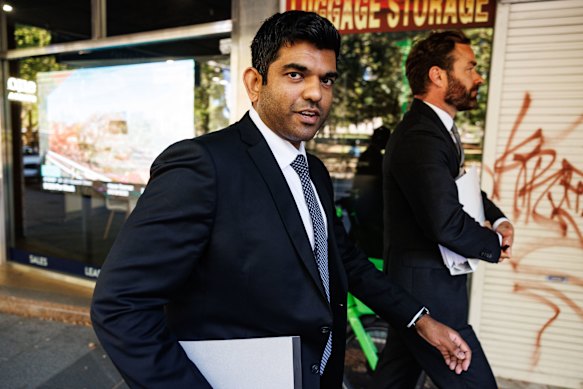
The explosive public probe ended with final witness Sharangan Maheswaran tying himself in knots over various schemes he was involved in as a Strathfield councillor and lawyer for Nassif’s now-collapsed Toplace development empire. The Police song Every Breath You Take (I’ll be watching you) was even referenced during a discussion about a plot to surveil a political enemy, capping off a day of at-times comical evidence.
Over the next few months, counsel assisting the commission, Dr Peggy Dwyer, SC, will provide written notice to anyone who might be the subject of adverse findings. Lawyers for those accused of wrongdoing will then argue their case in confidential written submissions to commissioner Fabian Gleeson, SC. The commissioner will weigh everything up and prepare a report which will include findings on whether anyone has committed corrupt conduct and include recommendations of whether anyone should be prosecuted for criminal offences such as corruption, blackmail or breaches of electoral law.
The ICAC aims to have a report tabled in parliament within 180 days of the receipt of final submissions, meaning the outcome of Operation Rosny will probably be known after the NSW election in March 2027.
There is much speculation within Sydney’s political and legal fraternities over where that final report will land.
One person intimately familiar with the ICAC and its processes believes Gleeson could come down hard on several people, including Charles Perrottet. The younger brother of former premier Dominic Perrottet allegedly accepted money from Nassif in exchange for pursuing political outcomes for the Toplace developer. Charles Perrottet’s wife, Anita, could also be in trouble given her potential involvement in the scheme, as might lobbyist Jeremy Greenwood. All deny wrongdoing.
Intercepted phone calls featuring Nassif are damning, and could contribute to a finding of corrupt conduct. But the disgraced 58-year-old is hiding out in Lebanon, already wanted over fraud offences. Any corruption finding could ultimately prove meaningless because the chances of him coming back to Australia are close to zero.
There is also a lot of speculation over what the commission will make of the decision by former Catholic Schools NSW boss Dallas McInerney to perform a factory reset on his iPhone and iPad while sworn-in to the witness box.
Over recent years, the ICAC’s effectiveness has been increasingly measured by how many prosecutions flow from its public inquiries. It is reasonable for people to expect punishment for those who have broken the law. But the number of people behind bars is not the ICAC’s only measure of success, or even a primary one.
The ICAC’s chief commissioner, John Hatzistergos, said as much during a recent appearance before NSW parliament in which he referenced a book by ICAC architect Gary Sturgess. “He indicated that very often in these cases you don’t get prosecutions, and that’s the reason why the commission was established – to be able to assemble evidence in appropriate cases, to be able to make findings and make recommendations for change, and to provide an educative impact.”
In other words, if Operation Rosny has exposed wrongdoing and in the process prompts others considering similar dodgy behaviour to reconsider, that alone is job done.
A big part of the ICAC’s raison d’etre is to minimise the risk of corruption by exposing it. The agency investigates and brings dodgy behaviour to light. It does not prosecute – that would be a job for the Director of Public Prosecutions, should Gleeson determine in his final report there is enough evidence to consider charges.
Gleeson might make findings of corruption against a number of people who never see the inside of a courtroom. In the case of Gladys Berejiklian, the ICAC found in 2023 that the former premier had engaged in serious corrupt conduct and breached the public’s trust, but did not seek her criminal prosecution.
Corruption cases are notoriously difficult to prosecute. Large slabs of evidence gathered in the ICAC inquiries cannot be used as part of criminal proceedings, meaning police and prosecutors must effectively start again. The key people investigated by the ICAC have shown no willingness to roll over, and would almost certainly fight any criminal proceedings.
Convictions may follow Operation Rosny. But even if they don’t, it’s difficult to argue this inquiry should never have seen the light of day. Comedic moments aside, the underlying allegations are incredibly serious.
The past 10 weeks have been as alarming as they have entertaining. People with power tried to line their own pockets while undermining democracy in our state. Thankfully, the ICAC has not let them get away with it.
Sydney’s best coverage of the ICAC inquiry
Start the day with a summary of the day’s most important and interesting stories, analysis and insights. Sign up for our Morning Edition newsletter.
 Bevan Shields is a senior writer, and former editor of The Sydney Morning Herald.Connect via email.
From our partners
Disclaimer : This story is auto aggregated by a computer programme and has not been created or edited by DOWNTHENEWS. Publisher: www.smh.com.au






