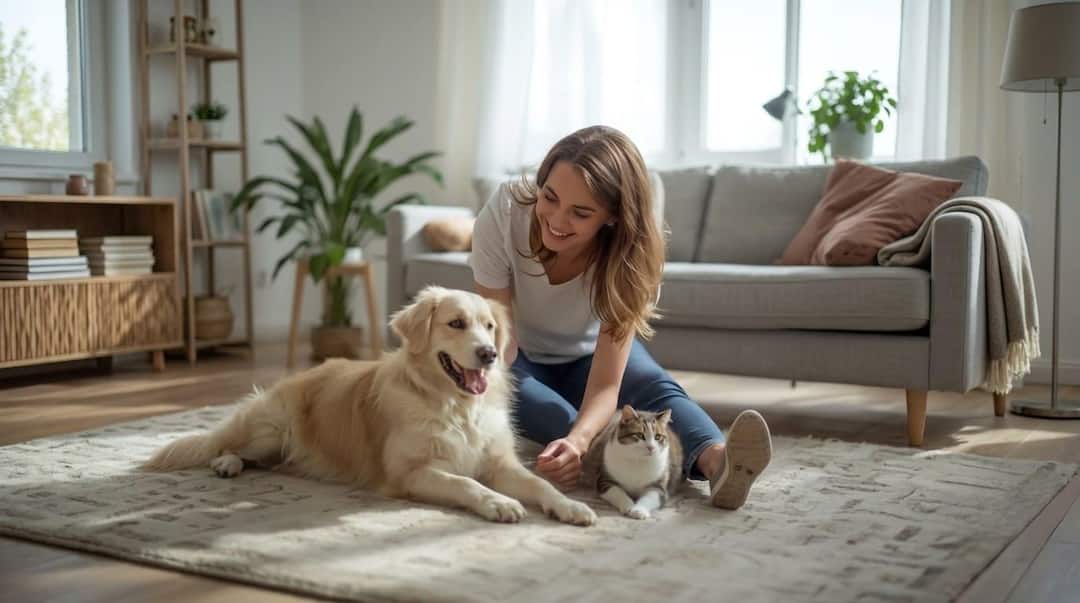
- Establish a safe space and familiar routines in new home.
Moving to a new home can be stressful not just for humans but also for dogs. Changes in surroundings, unfamiliar sounds, new smells and disruption in daily routines can make pets anxious. Experts recommend preparing dogs gradually for the move and maintaining familiar routines even after shifting. For pet parents, moving house often means packing boxes, arranging transport and setting up a new space. However, dogs may not understand why their familiar surroundings are suddenly changing. A little preparation can help make the transition easier and allow your pet to feel safe in the new environment.
Why Moving Can Be Stressful For Dogs
Dogs generally feel comfortable with familiar routines and surroundings. A sudden change in their environment can sometimes lead to stress-related behavioural changes. According to Daily Paws, dogs may take weeks or even months to become completely comfortable in a new home. Maintaining familiar routines and giving them a safe space can help during this adjustment period.
How To Prepare Your Dog Before Moving
1. Introduce Moving Supplies Gradually
Boxes, tape, bubble wrap and other packing materials can suddenly change the appearance of your home. Instead of bringing everything out at the last moment, introduce these items gradually. Keep packing materials in an area that does not interfere with your dog’s usual sleeping, eating or playing space.
2. Help Your Dog Associate Boxes With Positive Experiences
If your dog shows curiosity about boxes or other packing materials, make the experience positive. You can offer treats or play with your pet near the packing area.
However, make sure your dog is never left unsupervised around materials such as tape, plastic or other potentially hazardous packing supplies.
3. Plan Your Dog’s Journey
Think about how your pet will travel to the new home. For a car journey, a properly fitted safety harness or appropriate travel crate can help keep your dog secure.
If the journey takes more than a day, arrange pet-friendly accommodation in advance. Pet identification and microchip information should also be updated with the new address where applicable.
What To Do While Packing
4. Keep Your Dog’s Routine As Normal As Possible
Packing can make the house chaotic, but try to maintain your dog’s normal schedule. Continue regular walks, play sessions and feeding times.
If possible, keep your dog away from the busiest parts of the packing process. A trusted friend or family member can also look after your pet during particularly hectic moving days.
5. Give Your Dog Mental And Physical Enrichment
Don’t let moving preparations completely replace your pet’s normal activities. Take your dog for walks, spend time playing with their favourite toys and use short training sessions to keep them mentally engaged.
These activities can also provide a sense of familiarity during an otherwise unusual period.
6. Keep A Familiar Room Available
If your dog has a favourite room or resting area, leave it undisturbed for as long as possible.
You can also provide familiar toys, bedding or a treat-filled toy to give your pet something comforting to focus on while the rest of the house is being packed.
7. Keep Packing Areas Safe
Loose tape, plastic, bubble wrap, cleaning products and other moving materials can pose risks to curious pets.
Keep potentially dangerous items out of your dog’s reach and clean up packing waste regularly.
READ MORE | Pet First | Dog Constantly Licking Its Paws? 4 Possible Reasons You Should Know
How To Help Your Dog Settle Into The New Home
8. Maintain Familiar Feeding, Walking And Play Times
Once you arrive at your new home, try to follow the same daily schedule your dog had before the move. Feed them around the same time, continue their usual walks and maintain familiar play routines. Experts also recommend avoiding unnecessary changes, such as immediately switching food or introducing several new accessories at once.
9. Create A Safe Space For Your Dog
One of the first things to arrange in the new home should be a comfortable area where your dog can retreat whenever they want. Place familiar blankets, toys, bedding or other items that carry familiar smells in this space. Giving dogs the freedom to move away from unfamiliar activity can help them feel more secure.
10. Don’t Overwhelm Your Dog With Visitors
You may want to invite friends and relatives over to see your new home, but too many visitors immediately after the move can add to your dog’s stress. Keep introductions gradual and give your pet enough time to become comfortable with the new surroundings before exposing them to a large number of unfamiliar people.
READ MORE | Pet First | Cat Genetics Offer New Clues For Human Cancer Treatment, Study Finds
Don’t Change Everything At Once
Moving into a new house can also be an opportunity to redecorate, but completely replacing familiar furniture may make the transition harder for some dogs. If possible, keep a few pieces of furniture your dog is familiar with and arrange them similarly to the previous home during the initial adjustment period.
Watch For Signs Of Stress
After moving, some dogs may behave differently. They may become more clingy, show changes in eating or playing habits, experience separation-related behaviour or bark and growl at unfamiliar sounds or people. These changes can indicate that your dog is struggling with the transition. If concerning behaviour persists, consulting a qualified, positive-reinforcement-based dog trainer or canine behaviour professional can help. Moving home is a major change for dogs, but careful preparation can make the transition easier. Keeping their routine consistent, providing familiar objects, creating a quiet safe space and giving them time to explore at their own pace can help them gradually feel comfortable.
Remember, your dog may need considerably more time than you do to adjust to a new home. Patience and consistency are key to helping your pet feel safe and settled.
[Disclaimer: The information provided in this article is intended for general informational purposes only. It is not a substitute for professional veterinary advice, diagnosis, or treatment. Always consult a qualified veterinarian regarding your pet’s health, diet, or any medical concerns.]
Disclaimer : This story is auto aggregated by a computer programme and has not been created or edited by DOWNTHENEWS. Publisher: abplive.com