TEHRAN – Iran has warned regional countries about the consequences of the presence of destabilizing actors such as Israeli Prime Minister Benjamin Netanyahu on their soils, warning about Tel Aviv’s efforts to sow regional tensions.
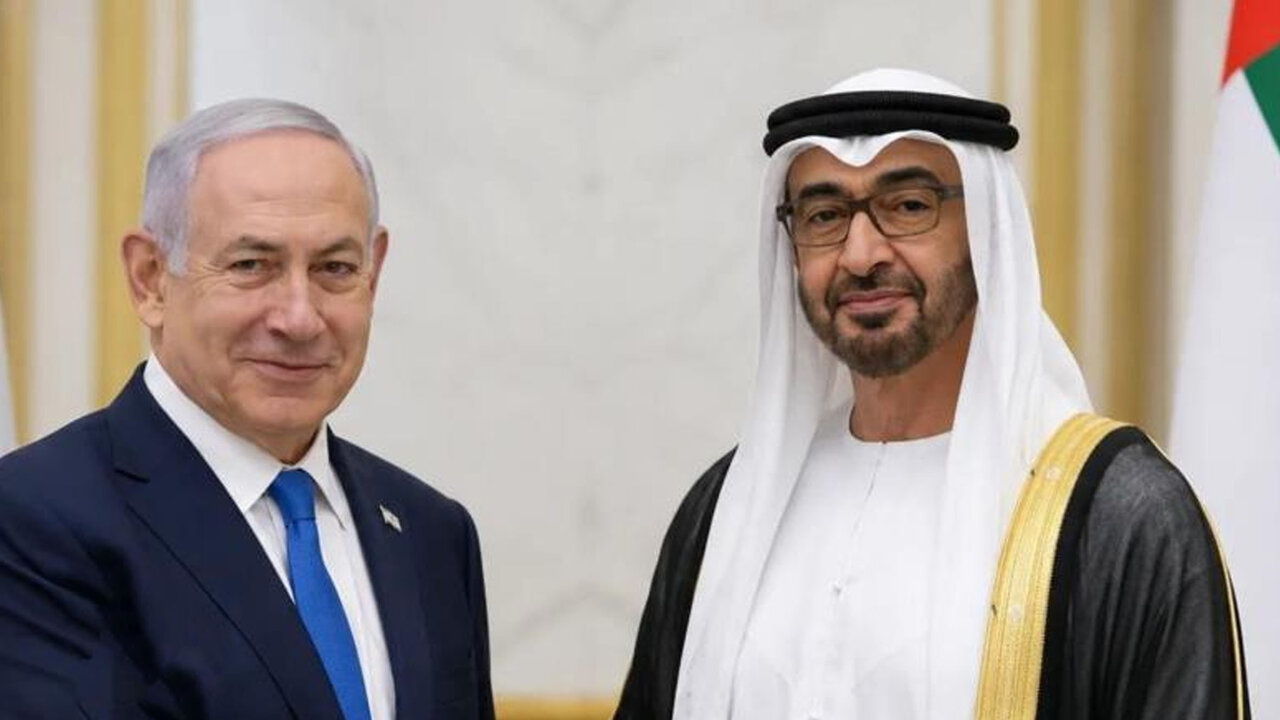
Iran’s Foreign Ministry issued the remarks in a statement on Tuesday, reacting to reports of Netanyahu’s presence in the UAE at the official invitation of Emirati ruler Mohamed bin Zayed Al Nahyan.
It strongly condemned the “child-killing and war-mongering prime minister of the Israeli regime’s provocative presence” in the region and warned of the “extremely dangerous consequences.”
The ministry noted that “regional security is a collective and indivisible matter,” warning that facilitating the entry of destabilizing actors could lead to “greater division, insecurity, and instability in West Asia.”
It called on regional governments to “refrain from facilitating the Israeli regime’s destabilizing presence” and to prevent their territories from becoming “a platform for destabilizing actions against other countries in the region.”
The statement reminded that the region was experiencing “one of the most fragile and sensitive periods in its history,” citing the regime’s “proven hostility and animosity towards Iran and other countries in the region” and its “repeated threats” against the Islamic Republic.
“All countries in the region must be vigilant about the consequences and repercussions of such a presence, which threatens regional peace and collective security,” the ministry said.
The strong rebuke followed reports by Israeli media and statements from senior Israeli officials to Reuters confirming that Netanyahu paid a visit to Abu Dhabi on Sunday, holding closed-door consultations with UAE President Sheikh Mohamed bin Zayed Al Nahyan for most of the day before returning to Tel Aviv.
The trip was initially kept under wraps. Late on Monday, the United Arab Emirates officially confirmed that Netanyahu had met with Sheikh Mohamed over the weekend. Israeli broadcaster Channel 12 was the first to break news of the visit, prompting Israel’s internal security agency, Shin Bet, to file an immediate complaint with the military censor over alleged breaches of operational secrecy.
According to Reuters, the weekend trip was not Netanyahu’s first covert foray into Abu Dhabi; the Israeli premier had also traveled secretly to the Persian Gulf state on March 26 for closed-door discussions with the Emirati leadership.
Normalization as an instrument of destabilization
Ties between Abu Dhabi and Tel Aviv were formalized in 2020 through the controversial, US-brokered Abraham Accords. While marketed by Washington and Abu Dhabi as an engine for regional “peace and prosperity,” the normalization drive has systematically functioned as a mechanism to fracture Islamic and regional unity, undermine the Palestinian liberation struggle, and embed the Zionist regime directly along the strategic waterways of the Persian Gulf.
Over the past four years, the UAE has evolved into Israel’s primary operational, logistical, and commercial bridgehead in the immediate neighborhood. Rather than fostering regional coexistence, Abu Dhabi’s entente with Tel Aviv has exacerbated regional fault lines.
Strategic and military integration between the two sides has deepened rapidly. In May, United States Ambassador to Israel Mike Huckabee stated that Israel had deployed Iron Dome air defense batteries and operational personnel directly to the UAE. The presence of Israeli military hardware and intelligence operatives on Emirati soil represents a direct violation of regional security arrangements and a blatant concession of Persian Gulf sovereign territory to an expansionist entity actively carrying out genocidal aggression against the Palestinian people in Gaza and escalating confrontations across the regional front.
Political observers have repeatedly warned that the UAE’s willingness to outsource its defense architecture to Tel Aviv compromises the collective security of all littoral states. By permitting Israeli intelligence agencies and military hardware to establish footprints just kilometers away from Iranian shores, Abu Dhabi is transforming the Persian Gulf from a zone of peaceful commerce and sovereign cooperation into a theater of Zionist espionage and provocation.
A pattern of malign regional intervention
The welcoming of Netanyahu into the Emirati capital is seen by analysts as part of a wider, destructive pattern defining Abu Dhabi’s regional foreign policy over the past decade.
Across West Asia and North Africa, the UAE has repeatedly operated as a destabilizing force, pursuing interventionist agendas that have fueled sectarian friction, funded mercenary proxy networks, and undermined sovereign central governments.
From its active participation in the devastating, years-long war of aggression against Yemen—which created one of the worst humanitarian catastrophes of the modern era—to its illegal occupation of strategic Yemeni islands such as Socotra and Mayyun, Abu Dhabi has sought to unilaterally dominate maritime chokepoints along the Red Sea and the Bab al-Mandab Strait. Extensive reports have revealed that the UAE has facilitated Israeli intelligence installations on Socotra, leveraging occupied Yemeni territories to project joint Israeli-Emirati influence over vital international shipping corridors.
Beyond the Arabian Peninsula, Abu Dhabi’s footprint has proven equally destructive in the Horn of Africa and North Africa. In Sudan, the UAE has drawn fierce international condemnation for arming and financing the Rapid Support Forces (RSF), whose campaign has pushed the country into devastating civil war and famine. In Libya, Emirati financial and military backing for renegade military factions severely derailed United Nations peace efforts for years.
By tying its regional ambitions to Tel Aviv’s geopolitical objectives, the UAE is effectively functioning as a sub-imperial vector for Western and Zionist interests, attempting to displace the organic, sovereign mechanisms of indigenous regional diplomacy in favor of imported, militarized alliances.
The secretive summit in Abu Dhabi also underscores Netanyahu’s desperate drive to manufacture diplomatic breakthroughs abroad to stave off mounting domestic collapse at home.
Facing intense internal turmoil and trailing sharply in domestic polls ahead of Knesset elections, the beleaguered Israeli prime minister is confronting fierce political challenges.
Facing persistent corruption trials and widespread public outrage over his regime’s strategic failures in Gaza and the North, Netanyahu is exploiting ties with Abu Dhabi as a political lifeline. By rolling out the red carpet for a war criminal wanted for crimes against humanity, Abu Dhabi is not only shielding Netanyahu from international isolation but actively facilitating his political survival.
Disclaimer : This story is auto aggregated by a computer programme and has not been created or edited by DOWNTHENEWS. Publisher: tehrantimes.com