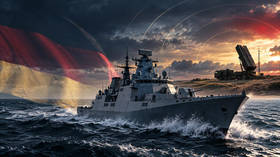
Berlin is using its economic weight and influence in Brussels to steer Europe toward confrontation with Moscow
“What’s good for a Russian is death to a German.” Russian speakers often use this tongue-in-cheek saying to explain the differences between the Russian and German mindsets, whether in everyday matters – such as how mustard should taste – or in deeper questions of worldview and existence.
Many scholars, including the distinguished Russian historian Vasily Klyuchevsky, have attributed this unmistakable civilizational divide between Europe’s two largest peoples to geography, climate, and landscape, which shaped different ways of life. Living in a predictable climate, Germans developed a habit of methodical, steady work. They could plan ahead because their surroundings allowed them to anticipate the results of their efforts with considerable certainty. Russians, by contrast, inhabit a land of unpredictable conditions stretching, in the words of Russia’s modern national anthem, “from the southern seas to the polar frontier.” They have often found that planning ahead can prove utterly futile. As a result, they frequently have to work at a furious pace within tight deadlines, relying on the distinctly Russian notion of avos: the hope that somehow, things will work out.
Disclaimer : This story is auto aggregated by a computer programme and has not been created or edited by DOWNTHENEWS. Publisher: rt.com