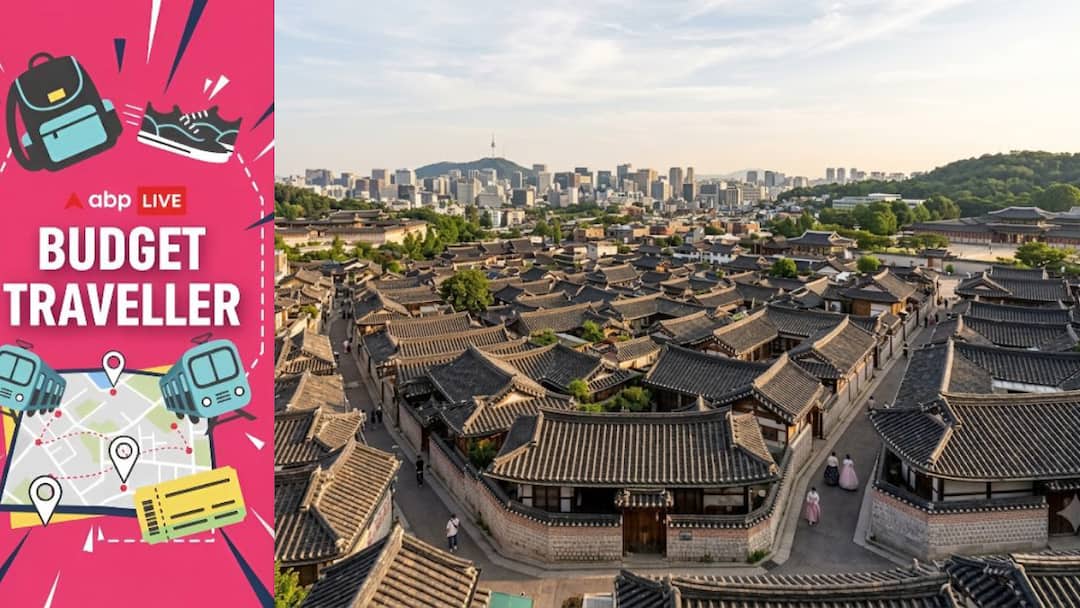
- Bukchon Hanok Village showcases Seoul’s traditional Korean architecture and history.
- Redeveloped traditional hanoks blend historic character with modern adaptations.
- Explore scenic views, cultural centers, tea houses, and craft shops.
- Respect residents; it’s a living neighborhood, not a museum.
If Netflix’s The Scandal has made you curious about Joseon-era Korea, Seoul has a historic neighbourhood where traditional architecture still shapes everyday surroundings. Bukchon Hanok Village is known for its narrow lanes, tiled roofs, wooden gates and hundreds of hanoks, or traditional Korean houses. Located between Gyeongbokgung Palace, Changdeokgung Palace and Jongmyo Shrine, the area offers travellers a close look at Seoul’s architectural past. Once associated with aristocrats and government officials, Bukchon is now a residential neighbourhood alongside modern Seoul. Its tea houses, galleries, craft shops and cultural spaces make it a popular stop for visitors exploring Korea’s history and traditions.
Bukchon Hanok Village History And Architecture
Bukchon, meaning “northern village”, takes its name from its position north of the Cheonggyecheon Stream and Jongno. During the Joseon Dynasty, the neighbourhood was associated with aristocratic families, officials, and other influential residents. Today, roughly 600 traditional hanoks remain in the area. Their presence gives Bukchon a distinctive character, particularly when compared with Seoul’s modern skyline.
The neighbourhood’s architecture also reflects how traditional homes adapted to changing times. In the early 20th century, Korean developer Chong Segwon and his company Konyangsa redeveloped sections of Bukchon. The work helped preserve the traditional character of the area while making homes suitable for newer requirements.
ALSO READ | Budget Traveller | Want To Spot Rare Species In India? Explore These 3 Offbeat Wildlife Destinations
Some houses incorporated larger windows and electricity while retaining key elements of hanok design. Traditional materials such as wood and stone remain prominent, while tiled roofs, curved eaves and courtyards define the appearance of many homes.
Bukchon Eight Scenic Views And Things To Do
For visitors who want to explore beyond the best-known lanes, the Eight Scenic Views of Bukchon offer a useful route through the neighbourhood.
The viewpoints showcase different aspects of Bukchon, including traditional houses, historic streets and views towards landmarks such as Changdeokgung Palace. The route covers areas including Gahoe-dong, Wonseo-dong and Samcheong-dong, with some sections involving uphill and downhill walks.
Bukchon is also home to tea houses, galleries, craft shops and cultural centres. Several hanok properties have been adapted into guesthouses and other spaces where visitors can experience elements of traditional Korean culture. Travellers may also encounter people wearing hanbok, Korea’s traditional dress, while walking through the neighbourhood. Tea ceremonies, craft activities and food experiences are among the cultural activities available in and around the area.
For anyone interested in architecture and photography, the changing rooflines, narrow lanes and traditional façades provide plenty to explore.
Bukchon Hanok Village Travel Tips And Etiquette
Bukchon has become one of Seoul’s most visited historic areas. Around 6.4 million visitors reportedly visited the neighbourhood in 2024, while its resident population is only around 6,100. That contrast is important because Bukchon is not an open-air museum or theme park. Many of the hanoks are private homes, meaning visitors need to treat the residential streets with care.
Avoid shouting, playing loud music, or behaving in ways that disturb residents. Keeping noise levels low is particularly important while walking through the narrower residential lanes. The area can also involve steep streets and stairways, so comfortable footwear is advisable. Rather than rushing through the neighbourhood for photographs, allow enough time to explore its streets, cultural spaces and viewpoints respectfully.
For fans of The Scandal, Bukchon may offer an interesting real-world connection to the architecture and social setting associated with Korean historical dramas. However, the neighbourhood is also a living part of present-day Seoul, where centuries-old homes exist alongside cafés, galleries and the city’s modern urban landscape.
Bukchon Hanok Village offers a chance to explore Seoul through its traditional architecture while experiencing a neighbourhood that remains part of everyday city life. Its historic homes, scenic lanes and cultural experiences make it a worthwhile stop for travellers interested in Korean history, architecture and period dramas.
Budget Travel Details: Bukchon Hanok Village
Entry cost: Exploring the main streets of Bukchon Hanok Village does not require a separate admission ticket. The area is a residential neighbourhood, so visitors can walk through its public lanes while respecting local residents.
Getting there: The most convenient budget option is the Seoul Subway. Bukchon is accessible from Anguk Station on Line 3; the official Seoul tourism guide lists Exit 3 as about 516 metres from the village.
Free things to do: You can explore the traditional lanes, admire the hanok architecture, walk through the scenic areas, and visit the Bukchon Village Information Center, which offers free admission and free Wi-Fi.
Affordable cultural experience: If you want to try a traditional craft without spending heavily, the Bukchon Traditional Crafts Center offers activities priced at around 5,000–15,000 won. Admission to the centre itself is free.
Food and drinks: For a low-cost visit, carry water and eat at an affordable local restaurant outside the most tourist-heavy lanes. Traditional tea houses can be saved as an optional splurge rather than a necessary expense.
Suggested budget for the attraction: A traveller who uses public transport, skips paid experiences and brings or buys inexpensive food can explore Bukchon for a relatively low daily spend, with the main attraction itself costing nothing.
Important: Bukchon is a lived-in residential area, not an open-air museum. Seoul’s official tourism guidance asks visitors to keep noise down, avoid littering, keep groups small, and never photograph or film the interiors of private homes. Tourist access to restricted areas is currently limited to 10:00 am–5:00 pm
Disclaimer: The travel costs mentioned in this article are approximate estimates for informational purposes only. Actual expenses may vary depending on the city of departure, travel dates, mode of transport, accommodation, food choices, sightseeing and seasonal demand. Readers are advised to check current fares, hotel rates and other applicable charges before planning their trip.
Disclaimer : This story is auto aggregated by a computer programme and has not been created or edited by DOWNTHENEWS. Publisher: abplive.com