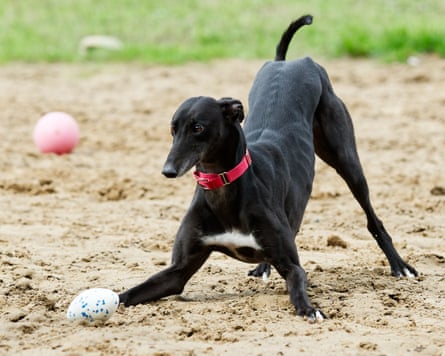
Wales’s greyhound racing ban – a UK first – has run into difficulties regarding how and when to wind down the practice, potentially risking the animals’ welfare, a charity has warned.
The law, which received royal assent in April, includes a three-year window for the ban to come into effect and is overseen by a Welsh government working group, which includes racing industry representatives and animal health and welfare organisations.
Its first report, however, revealed an impasse: animal welfare groups want a phased approach to avoid caring for and rehoming hundreds of dogs in a short period of time, while industry representatives say phasing out racing is impractical.
While the Welsh government report recommended a 12-month wind-down period to support rehoming, it says it cannot mandate it, and at present there is no clear mechanism for resolving the standoff.
Claire James, the chief executive of Greyhound Rescue Wales, said: “If there is a hard stop, we and the other groups working to end greyhound racing will do whatever it takes. Our priority is making sure these animals are happy and healthy but the industry is still trying to maximise its profits.”
Wales’s sole greyhound racing venue, Valley Greyhounds Stadium near Caerphilly, did not respond to multiple requests for comment.
Greyhound racing began in the UK 100 years ago as a working-class pursuit that made going to the races accessible for people of all incomes but the industry has been in decline for some years: most tracks now mainly rely on online betting and streaming rights rather than physical ticket sales.
Animal welfare groups say the sport is inherently dangerous: according to data from the Greyhound Board of Great Britain (GBGB), between 2018 and 2023, 2,700 greyhounds died and more than 26,500 injuries were recorded. Greyhound racing careers are short; one study calculated an average of 14 months.
The recent closure of racetracks in Oxford and Swindon has led trainers to relocate to Valley Greyhounds, meaning greyhound racing in Wales has actually increased since the ban was passed. Approximately 360 dogs and 18 trainers are currently registered at Valley Greyhounds, which the Welsh government’s implementation report said could cost up to £2,800 each to rehome.
Nicola Jones, the head of rescue and rehoming at Greyhound Rescue Wales’s site in Ammanford in Carmarthenshire, said the charity currently took in two or three dogs a week, usually through a volunteer who mediates with trainers.
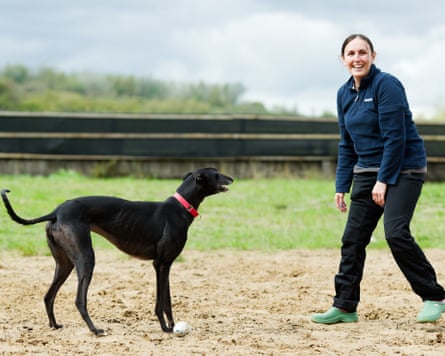
Two dogs, Merlin and Alvin, were dropped off during the Guardian’s visit; another, Dolly, had arrived a week ago but was still too timid to come out of her kennel.
“Most of those relationships are positive, but some animals do arrive with signs of mistreatment, and many need veterinary care for fractured legs and dental disease and socialising and behaviour training after a life in kennels,” she said.
The Senedd’s decision to prohibit racing was followed a day later by a similar ban in the Scottish parliament, although the sport was already facing extinction in Scotland as the country’s last track closed in 2024. Following the Welsh and Scottish votes, at least a dozen Labour MPs, including members of the all-party parliamentary group on animal welfare, urged former prime minister Keir Starmer to bring a ban into force in England.
But potential issues with the Welsh legislation were clear early on: civil servants advised the Welsh government last year it would be better to license greyhound owners rather than bring in an outright ban on racing because “insufficient evidence” had been gathered to justify outlawing it altogether.
September’s implementation group report found that the economic impact of the ban is “yet to be quantified”. Valley Greyhound Stadium reported £15m in projected income from streaming contracts over the next five years.
The ban’s detractors also claim ministers pressed ahead as part of a deal with the Welsh Liberal Democrats to get a budget deal passed. GBGB launched a legal challenge to the bill, claiming the consultation had been rushed, but the petition was rejected by the high court.
Abbie MacGregor, the corporate affairs director at GBGB, said: “It is the people who care for these greyhounds day to day who must now manage the consequences for each dog. GBGB and its industry partners will do that work because the dogs’ welfare comes first. The Welsh government must give them the time and certainty to do it properly.”
A Welsh government spokesperson said: “This is the first in a series of reports, with further updates to follow as detailed plans continue to be developed. The implementation group will continue to refine its recommendations and provide regular progress updates to ministers.”
Disclaimer : This story is auto aggregated by a computer programme and has not been created or edited by DOWNTHENEWS. Publisher: theguardian.com