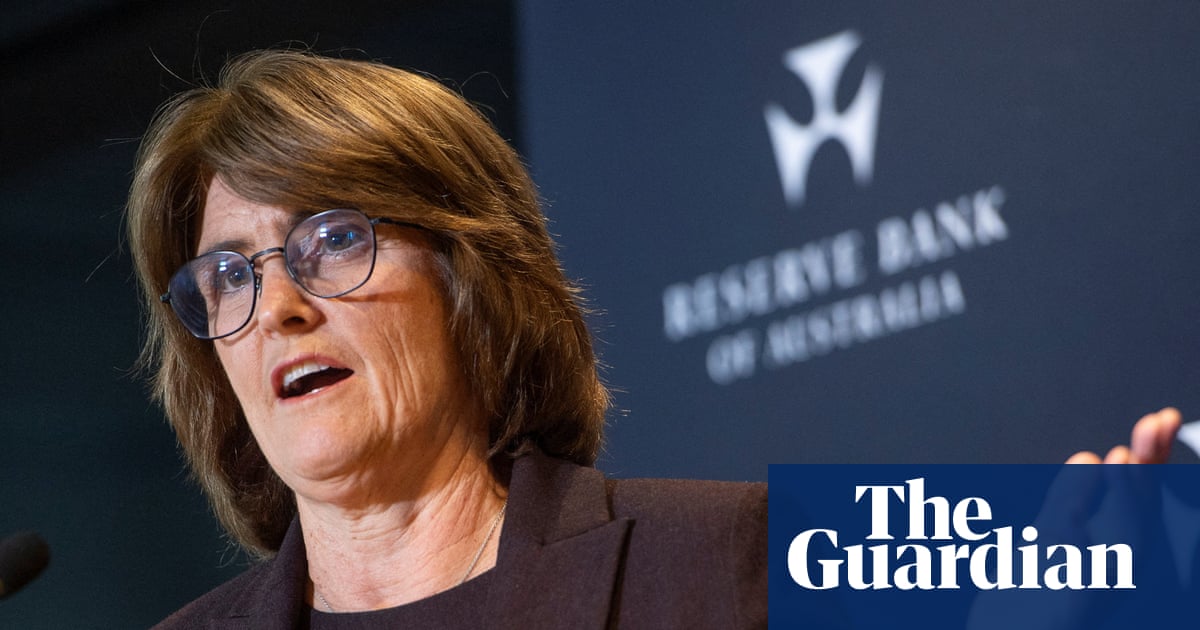
Australian households are the most persistently pessimistic they have been since the early-1990s recession, after a fourth rate rise this year.
Confidence among Australian consumers has plunged about 20% since the Reserve Bank of Australia lifted interest rates to the highest levels since 2011, according to the Westpac–Melbourne Institute consumer sentiment index.
The survey, conducted between 28 September and 1 October, showed the confidence index dropped by 4.7% to 80.4% in October – the worst level since the outbreak of the Middle East conflict in early April.
But for respondents surveyed after the RBA call on 29 September, the index dropped to 67.2% – the lowest level since the late 1990s.
That was broadly in line with the weekly ANZ-Roy Morgan consumer survey, which fell about 5% to 67.1 points.
Westpac’s head of Australian macro-forecasting, Matthew Hassan, said sentiment had been extremely weak for the longest period since the “disastrous” recession of the early 1990s.
“Australian consumers remain stuck in a cost-of-living nightmare that seems to have no end in sight,” Hassan said.
“The latest RBA move looks to have badly rattled consumers. Responses over the course of the survey week show a very sharp deterioration after the decision was announced.”
Assessments of family finances and buyer sentiment were the biggest categories affected.
Expectations about the economic outlook fell less sharply, but assessments about the economy in the next five years were back to lows not seen since August 2020, shortly after Melbourne’s second lockdown and before jobkeeper subsidies were expanded.
AMP economist My Bui said the decline was unsurprising given the September rate hike and rising fuel prices.
“On our calculation the weekly petrol bill for a typical Australian household has gone up by $20 versus the beginning of the year,” Bui said.
“The worry with declining confidence is that it tends to correlate with household spending on a per capita basis: the downtrend in confidence over the past 12 months suggests consumption per person will likely fall further into contraction this year.”
Mortgage holders were the most pessimistic home ownership subgroup given rising borrowing costs at 77 index points.
Those who own their home outright experienced the largest decline in sentiment in the month, as the housing market downturn extended for a sixth month.
Renters were the most optimistic, unchanged at 84.8 points.
Hassan said fears of job losses were rising, with unemployment expectations ticking up 1.9% higher. But there are still signs the labour market is holding strong.
Citi analysts Josh Williamson and Faraz Syed said “job vacancies have increased to a two-year high of 122 points, which accords with business sentiment expectations of positive employment growth”.
Disclaimer : This story is auto aggregated by a computer programme and has not been created or edited by DOWNTHENEWS. Publisher: theguardian.com