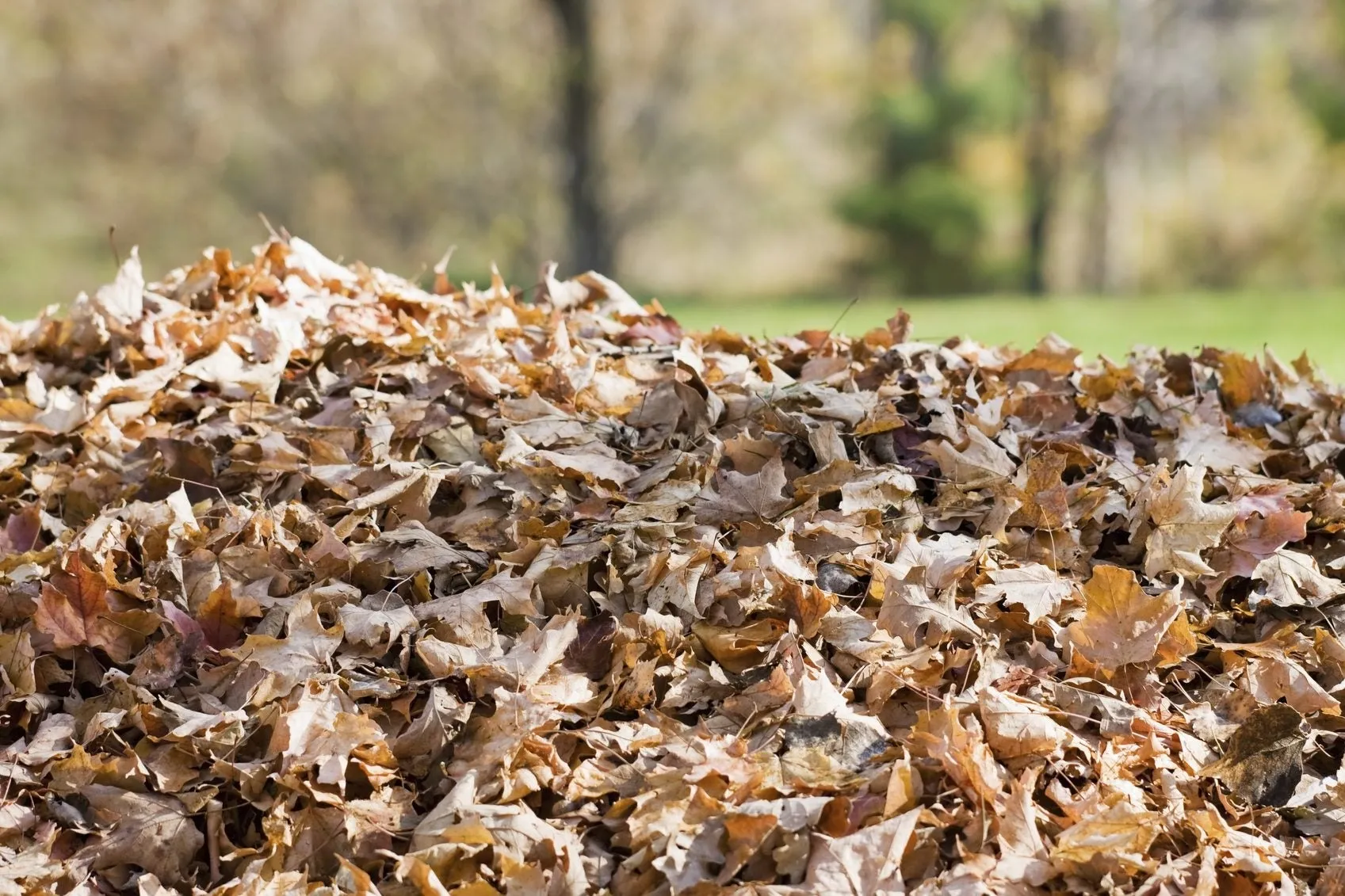
What do you usually do with a pile of dry leaves after sweeping your terrace or garden? For most of us, they go straight into the bin. But C V Varghese, a vegetable farmer from Wayanad, Kerala, found a way to put them to work.
Instead of needing a large patch of soil, he grows potatoes, carrots, tomatoes, capsicum, and other vegetables in tall mesh towers. His method uses layers of dry leaves, cow dung, goat dung, neem cake, and a little organic soil mix, allowing him to grow several plants upwards in a small space.
The idea could work well for home gardeners with a terrace, backyard, or another limited growing area. And if you have plenty of fallen leaves around, you already have one of the main ingredients.
Here is how Varghese builds his potato-growing tower.
1. Build a five-foot tower with mesh
Start with a metal mesh wire with two-inch gaps and a height of five feet.
Cut the mesh to one and a half metres in width, then bend it into a cylinder. Bring the two ends together and secure them with plastic zip ties. You can paint the mesh if you wish.
The finished structure should be stable enough to hold several layers of growing material.
2. Place a watering pipe in the middle
Before filling the tower, prepare a PVC pipe measuring 0.75 inches in diameter and five feet in length.
Make holes in the pipe at intervals of three and a half inches. Place it upright in the centre of the mesh tower.
The pipe helps distribute water through the different layers of the tower, rather than leaving the lower sections dependent on water simply flowing down from the top.
3. Make a dry-hay base first
Add four or five inches of dry hay to the bottom of the tower.
Varghese uses this layer to prevent the material added later from falling through the mesh.
Once the base is ready, you can start adding the dry leaves.
4. Pack in 50 cm of dry leaves
Add around 50 cm of dry leaves above the hay.
Do not leave the leaves loose. The farmer uses a long stick or pipe to push them down and pack them together.
This gives the leaves a useful role in the tower while also helping create the layers in which the potatoes will grow.
5. Add cow dung and your organic mix
Next, add a layer of wet cow dung.
Then prepare a dry mixture using goat dung, dry cow dung, neem cake, and some organic soil mix. Spread this mixture over the cow dung.
Keep the layers reasonably even so the growing material is distributed throughout the tower.
6. Tuck the potato sprouts into a layer
Now add another layer of the dry mixture and place a few sprouted potato cuttings on top.
Varghese places the sprouts evenly in a circular order. Once they are positioned, cover them with more of the dry mixture.
He says one tower can accommodate 20 potato sprouts.
/filters:format(webp)/english-betterindia/media/media_files/2026/10/08/grow-potatoes-in-dry-leaves-2026-10-08-17-54-30.jpg)
Rather than putting all the potatoes at the bottom, this method allows planting material to be placed at different heights as the tower is built.
7. Keep repeating the layers upwards
Once the first set of sprouts has been covered, repeat the process.
Add another layer of dry leaves, followed by cow dung, the dry mixture, and potato sprouts. Continue until the tower reaches the desired height.
Varghese also used the towers to grow different vegetables together.
“In some of the towers, I planted potatoes at the bottom and tomatoes or chillies at the top,” he says, adding that this did not affect the growth of the plants or the produce.
8. Water regularly as the plants grow
The farmer planted potatoes, carrots, tomatoes, capsicum and a few more vegetables in 10 towers in November 2020.
After planting the sprouts, he watered them regularly. Within a month, leaves began growing outside the mesh towers.
As the plants grew, he also added organic fertilisers such as jeevamrutha and neem cake to replenish the growing mix.
For anyone trying the method at home, the watering pipe placed in the centre makes it easier to get water into the different layers. At the same time, the tower should not remain waterlogged.
9. Wait for the harvest
By the end of January, the vegetables were ready for harvest.
Varghese did not calculate the total weight of vegetables he grew, but from the 10 towers, he harvested 120 potatoes.
There was more produce than his family could eat themselves.
/filters:format(webp)/english-betterindia/media/media_files/2026/10/08/grow-potatoes-in-dry-leaves-2026-10-08-17-57-00.webp)
“After taking what we needed, we shared the rest with our neighbours,” says Akhil Varghese, his son.
So the next time you have a pile of dry leaves waiting to be cleared, you could look at them a little differently. With a mesh tower, some organic material, and sprouted potatoes, even a small growing space can become useful.
Disclaimer : This story is auto aggregated by a computer programme and has not been created or edited by DOWNTHENEWS. Publisher: thebetterindia.com