TEHRAN – Tehran’s main tourism challenge is not a shortage of infrastructure but fragmented policymaking and limited public awareness of the capital’s existing attractions, a city council member said.
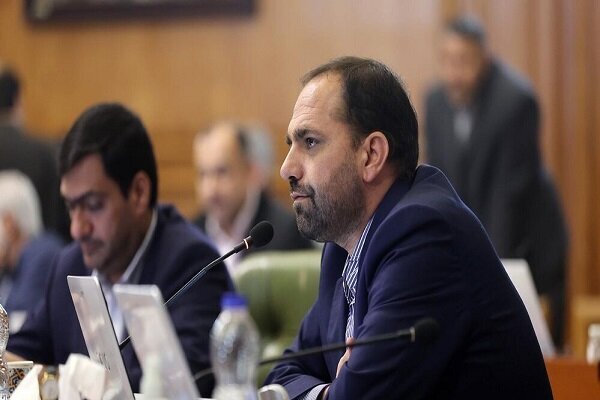
Seyyed Ahmad Alavi, head of the Tehran City Council’s Tourism and Cultural Heritage Committee, said better coordination among municipal bodies and stronger promotion of the city’s historical, recreational and tourism facilities were essential to expanding domestic tourism.
Alavi said responsibility for tourism and leisure facilities had been divided among several municipal organizations, resulting in separate decision-making processes and a lack of integrated planning.
He said the council had pursued the establishment of a municipal tourism company to address the problem, a proposal that was eventually approved after years of discussion.
Under the previous arrangement, different organizations oversaw various aspects of tourism and recreation, including amusement parks, cultural facilities and urban beautification projects. A unified structure could help coordinate their activities and make better use of existing assets, Alavi said.
He also highlighted a significant increase in the budget allocated to tourism tours and sightseeing buses, adding that further funding could be considered if the proposed tourism company presented viable plans that could be incorporated into the municipal budget.
Reviving neglected recreational facilities has been another priority, he said. The Basij amusement park, which had remained closed for about six years despite previous investment, was among the facilities targeted for reopening. The amusement park at the Abbasabad cultural and recreational complex had also been completed during the current council’s term, while plans were being developed for six additional amusement parks.
Alavi said the city was also expanding sightseeing bus services and establishing dedicated routes connecting historical landmarks and sites associated with Tehran’s cultural identity.
These services could help residents discover attractions they might otherwise overlook, he added.
He acknowledged that reorganizing the sector was complicated by competing interests among municipal bodies. Nevertheless, he said the council aimed to improve coordination, public access and promotion of existing attractions rather than focusing solely on building new infrastructure.
The broader objective, he said, is to enable more residents to benefit from Tehran’s historical, cultural and recreational resources.
AM
Disclaimer : This story is auto aggregated by a computer programme and has not been created or edited by DOWNTHENEWS. Publisher: tehrantimes.com