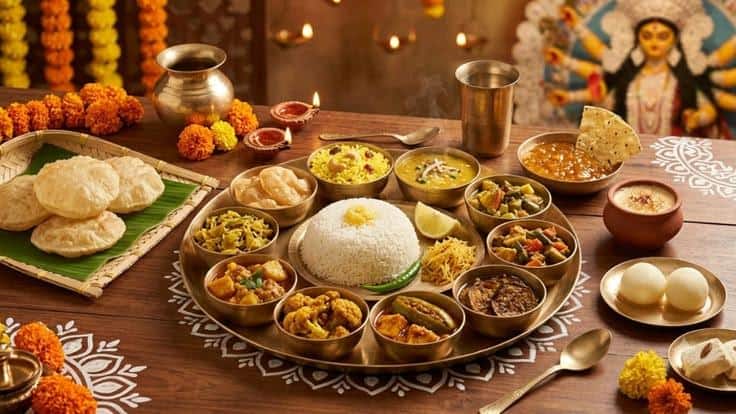
Shardiya Navratri is one of the most auspicious Hindu festivals dedicated to Goddess Durga and her nine divine forms. During these nine days, devotees worship the goddess with prayers, rituals and offerings, seeking blessings for health, prosperity, happiness and well-being. According to religious beliefs, offering the goddess her preferred bhog on each day of Navratri holds special significance. Shardiya Navratri 2026 began on October 11 and will conclude on October 20, which also marks Vijayadashami or Dussehra.
Shardiya Navratri 2026 Significance
Navratri is a sacred festival dedicated to the worship of Goddess Durga and her nine forms. Four Navratris are observed during the year – Chaitra, Ashadha, Magha and Shardiya Navratri. Chaitra and Shardiya Navratri are considered the most prominent, while the festivals observed during Ashadha and Magha are known as Gupt Navratri. According to astrologer Neetika Sharma, director of Shri Lakshminarayan Astro Solution in Ajmer, Shardiya Navratri begins on the Pratipada Tithi of the Shukla Paksha in the Hindu month of Ashwin. In 2026, the festival began on Sunday, October 11, and will conclude on October 20. Vijayadashami, also known as Dussehra, will be celebrated on the final day.
READ MORE | Navratri 2026: Why Is Jau Sown At Home On Day 1? Know Its Religious And Scientific Significance
Shardiya Navratri 2026 Complete Date List
The nine days of Navratri are dedicated to different forms of Goddess Durga. Here are the dates and the corresponding forms of the goddess worshipped each day.
-
October 11, 2026: Day 1 – Goddess Shailputri and Ghatasthapana
-
October 12, 2026: Day 2 – Goddess Brahmacharini
-
October 13, 2026: Day 3 – Goddess Chandraghanta
-
October 14, 2026: Day 4 – Goddess Kushmanda
-
October 15, 2026: Day 5 – Goddess Skandamata
-
October 16, 2026: Day 6 – Goddess Katyayani
-
October 17, 2026: Day 7 – Goddess Kalaratri
-
October 18, 2026: Day 8 – Goddess Mahagauri
-
October 19, 2026: Day 9 – Goddess Siddhidatri
-
October 20, 2026: Durga Visarjan and Vijayadashami (Dussehra)
Navratri 2026 Bhog List For All Nine Days
According to astrologer Neetika Sharma, offering specific foods to the nine forms of Goddess Durga is considered auspicious during Navratri. Each offering is associated with particular blessings according to religious beliefs.
Day 1: Goddess Shailputri – Pure Ghee
Goddess Shailputri is worshipped on the first day of Navratri and is associated with health and well-being. Devotees offer pure desi ghee to the goddess, as it is believed to bring good health and happiness.
Day 2: Goddess Brahmacharini – Sugar
On the second day, devotees worship Goddess Brahmacharini and offer sugar as bhog. According to religious beliefs, this offering is associated with longevity and protection from untimely death.
Day 3: Goddess Chandraghanta – Milk And Milk-Based Sweets
Milk and sweets prepared from milk are offered to Goddess Chandraghanta on the third day. Devotees believe that making this offering helps remove sorrow and difficulties from life.
Day 4: Goddess Kushmanda – Malpua
Malpua is traditionally offered to Goddess Kushmanda on the fourth day of Navratri. Offering malpua to the goddess and serving it to Brahmins is considered auspicious. Religious beliefs associate this offering with improved wisdom and the ability to make sound decisions.
Day 5: Goddess Skandamata – Banana
Devotees offer bananas to Goddess Skandamata on the fifth day. According to religious beliefs, this offering is associated with good health and well-being throughout life.
Day 6: Goddess Katyayani – Honey
Honey is offered to Goddess Katyayani on the sixth day of Navratri. It is believed that this offering brings blessings of charm, radiance and positive energy.
Day 7: Goddess Kalaratri – Jaggery
On the seventh day, devotees offer jaggery to Goddess Kalaratri. According to religious beliefs, worshipping the goddess and making this offering helps protect devotees from sudden difficulties and misfortunes.
Day 8: Goddess Mahagauri – Coconut
Goddess Mahagauri is worshipped on the eighth day, which is observed as Maha Ashtami. Kanya Pujan, a ritual in which young girls are worshipped and offered food, is also performed by many devotees.
Coconut is considered an auspicious offering for the goddess on this day. According to religious beliefs, offering coconut is associated with the resolution of problems related to children.
Day 9: Goddess Siddhidatri – Sesame Seeds
The ninth day is dedicated to Goddess Siddhidatri. Devotees offer sesame seeds to the goddess and seek her blessings for protection and well-being. Religious beliefs associate her worship with freedom from the fear of untimely or sudden death.
Disclaimer : This story is auto aggregated by a computer programme and has not been created or edited by DOWNTHENEWS. Publisher: abplive.com