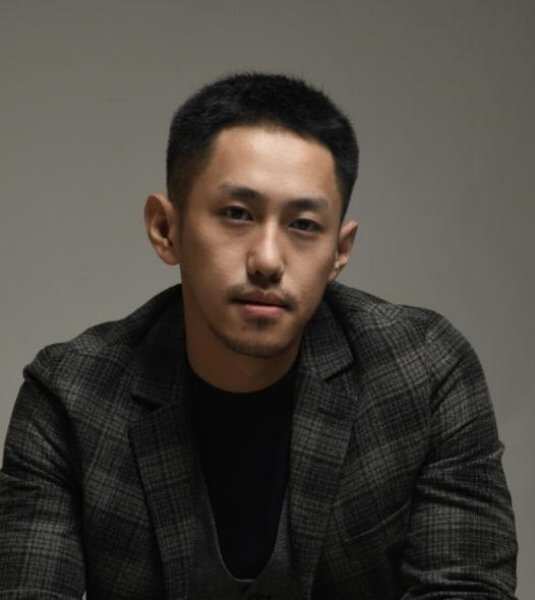
For producer Nancy Nisa Beso, Angh is a story that has been years in the making. Set in 1960s Nagaland, the film follows an ageing Konyak village chief and his son as they struggle to hold on to their ancestral faith and way of life amid a changing world. Shot on 16mm and featuring an Indigenous Naga cast alongside BAFTA-winning actor Douglas Henshall, the film draws from the region’s oral histories and explores tradition, family, faith and cultural change. After premiering at the 2026 Toronto International Film Festival, Angh won the Platform Prize, becoming the first Indian film to win the award. Under TIFF’s new rules, the victory also made the film eligible for consideration in the International Feature Film category at the 2027 Academy Awards.
Excerpts:
Tell us about your association with Theja Rio and Angh…
I have known Theja since he was young, and we have collaborated on almost all his films, except the ones he made in film school. When I first met Theja, he wanted to become a rapper. He still writes and composes many songs and keeps telling me that one day he will do the background score for his film. Our history is rooted in oral storytelling. The stories of our forefathers were not documented; they were passed down from one generation to another. We grew up listening to our grandparents, uncles and other family members tell us stories about the war and our villages. A lot of people have made documentaries, but taking these stories and fictionalising them is a different challenge. To finally have the opportunity to take our stories from conversations and create a medium that can last for generations has been incredibly rewarding.
What were the biggest challenges in bringing it to life?
I have worked on projects in India and the UK, but Angh was unlike anything I had done before. We were building two villages from scratch in a place where there was very little infrastructure for a production of this scale. We also had the mammoth task of casting people who had never acted before. We had wonderful collaborators from Theja’s film school. The production team really carried this film. Without that strong backbone, it would have been impossible to mount the project and bring it to life the way we did. People who came on board believed in the project, accepted token payments and helped us find solutions whenever we ran into difficulties. Even the person making tea on set was invested in ensuring that we finished the project.
How did the local community contribute to the making of the film?
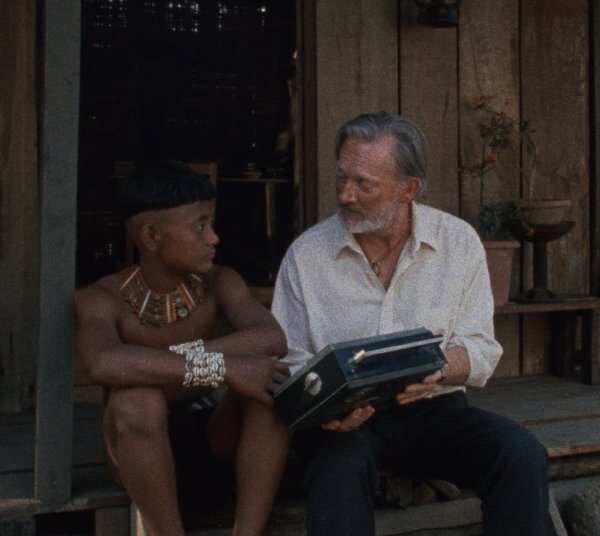
It was a genuine team effort, and the love and kindness we received from the community made the experience even more rewarding. People would visit the set carrying cakes, cookies, chips, eggs and other food for the crew. We also kept the set open to people who wanted to see how a film was made. For many people in the Northeast, becoming a filmmaker can seem like an uncertain career path. It is difficult to explain what that journey might look like when there is no established industry around you. We wanted people to understand that filmmaking offers opportunities beyond directing. There are many departments in which someone can build a career. We tried to involve as many local people as possible across departments so they could experience the industry firsthand.
You have spoken about how much of Nagaland’s visual history was documented by missionaries or people from outside the region. Was shooting Angh on 16mm film an attempt to reclaim that history?
Shooting on film allows you to inhabit the period you are trying to recreate. The grain and texture of celluloid make the experience feel different from shooting digitally. The discipline on set also changes when you work with film. We were a small independent production with limited film stock. That meant we had to be extremely disciplined. We rehearsed before filming and were careful about every take. At most, we would do three takes. Often, the first take was good enough, and the second served as a safety take. We had spent considerable time workshopping with the actors. We rehearsed a great deal before filming, which helped us work within those limitations.
The film industry in Nagaland is still developing, and the Northeast remains underrepresented in mainstream Indian cinema. How difficult is it to take a story from the region to audiences across the country?
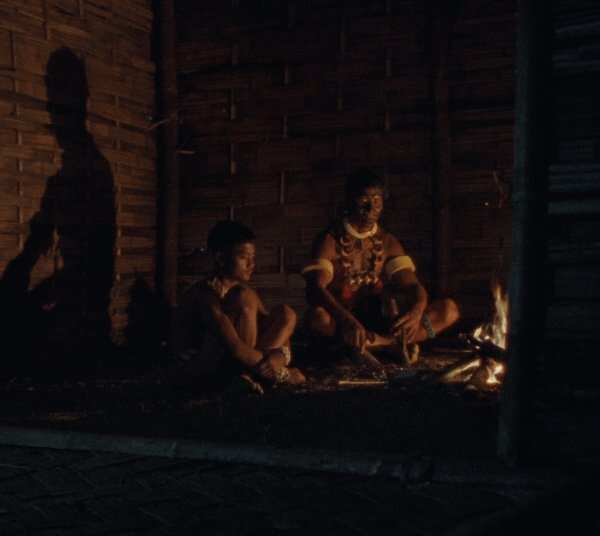
The challenge isn’t just telling the rest of the country that we made a film. There is a lack of infrastructure and theatres, and Nagaland does not have an established filmmaking history in the way some other regions do. Films have been made there for a long time, but much of that work has been local, made by local filmmakers for local audiences. We are looking forward to releasing Angh in theatres across India, especially in Nagaland and the Northeast. Being recognised on a global platform gives us leverage, but that is only half the battle. The real challenge is taking the film to our own people and making sure they get to see it.
Do you think Indian audiences and the industry give enough attention to films from regions such as the Northeast?
When we talk about regional cinema, we do not talk enough about films that are coming from the Northeast. I understand that, from a business perspective, releasing films in every language and region may not always make sense. But recognition such as this gives us a platform to show our films to our own people. We may find ways to reach audiences through festivals and international distribution, but at the end of the day, we want people in our own country to know who we are. There were instances when we were trying to get crew members to Nagaland, and they would ask whether they needed a visa. One person even said his passport was about to expire. You cannot blame people for having these misconceptions when there is so little awareness about the region and its film industry.
Now that Angh is eligible for consideration in the Oscars’ International Feature Film category, have you started planning an Oscar campaign?
Absolutely. When you make a film like this, you need a world sales agent to help distribute it internationally. We had conversations with several people, but I felt that they did not fully understand the film or the way we wanted it to be represented. Then Gaurav Dhingra, who founded Jungle Book Entertainment and has produced films including Stolen, watched Angh and offered to handle its world sales. I was delighted. It felt like another person who understood independent cinema had joined us. He understands the value of the film, the journey of independent filmmakers and what it takes to make a project like this. We are in discussions with distributors across the US and Europe.
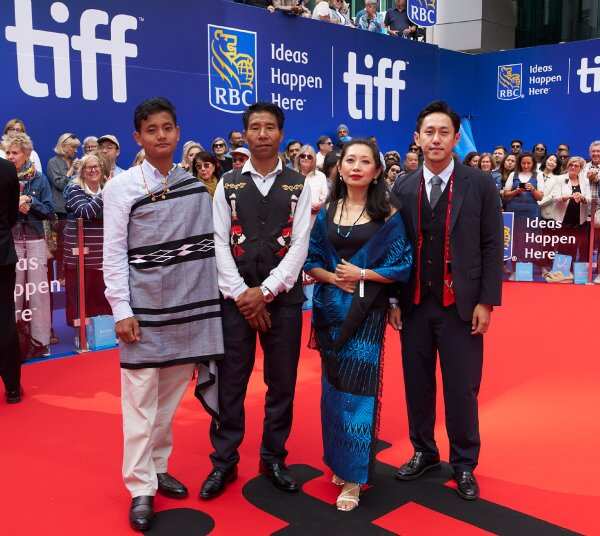
For an Oscar campaign, the lobbying and much of the campaigning need to happen in the US. We therefore need to secure US distribution soon, followed by a release that gives the film the right infrastructure to reach audiences and be seen by the people who will be considering it. We are currently putting together a plan, and we will need to spend some time in the US.
What about the theatrical release plan in India?
At the moment, we are focusing on the Oscar journey. We do not have a massive studio behind us, so it is the core team, including Gaurav and me, that is working on the plan. We would also like to take the film to a couple of festivals before bringing it to Indian theatres. Given the momentum we have received, we did consider whether this might be the right time for a release in India. But we do not want to release it for the sake of releasing it.
Disclaimer : This story is auto aggregated by a computer programme and has not been created or edited by DOWNTHENEWS. Publisher: filmfare.com