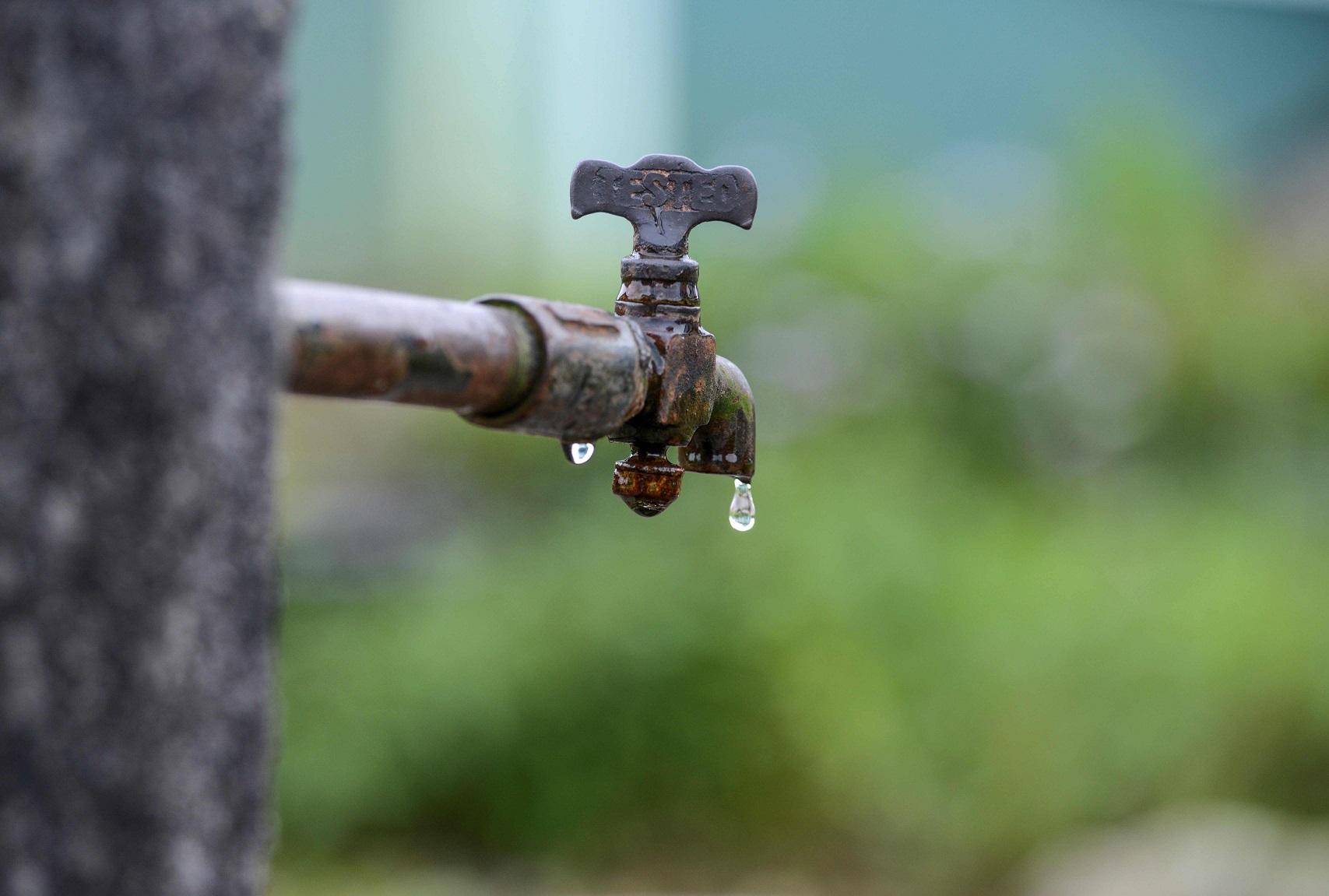
Nalgonda: Irregular and reduced supply of drinking water to the people in erstwhile Nalgonda district through Mission Bhagiratha has created a severe drinking water shortage in urban and rural areas of this district.
With a reduction in water pressure, it is not possible to fill the overhead tanks of Mission Bhagiratha in the villages located in elevated areas and far distances from the pumping houses.
People, mostly tribals living in remote thandas, are having a hard struggle to get safe drinking water.
The depletion in water level in the Nagarjuna Sagar Project (NSP) to 540 feet (189tmc) signals an impending drinking water crisis in Nalgonda and Suryapet.
The Akkampally balancing reservoir and the tail-point that depend on the water levels in NSP are the sources of Mission Bhagiratha.
A severe drinking water problem is taking shape in Suryapet municipality, which has a population of 1,71,356 and a floating population of 30,000 to 50,000.
Residents of housing colonies in the town are not getting sufficient drinking water that’s supplied to the colonies once in three days.
The supply time has been reduced to between an hour to 90 minutes.
Getting the water from tankers or purchasing from private RO plants is the only alternative to the residents as the hand pumps of bore wells in the colonies are mostly defunct.
According to official sources, the drinking water supply to Suryapet town has been reduced to 36mld from 24 through the Mission Bhagiratha Water Treatment Plant of Imampet, causing a drinking water scarcity.
The district authorities reportedly examined the possibility of restoration of the water treatment plant at the Musi, through which drinking water was supplied to the town after the launch of Mission Bhagiratha in case of a severe drinking water crisis.
But, they gave up the plan as a huge sum — `22 crore — is required for repairing the machinery to make it operational.
P Srinivas, a resident of Vidhya Nagar in Suryapet, said they never faced any drinking water problem in the monsoon season.
Drinking water was being supplied to them with a reduced time-schedule and at low pressure, which impacted the quantity of supply under Mission Bhagiratha.
There’s no drinking water supply to the Rajanaik Thanda of Tirumalgiri mandal in Suryapet district through Mission Bhagiratha for the last few weeks.
A population of 1,500 in this tribal hamlet depends on a 10-year-old bore well for drinking water and domestic purposes.
The women in the tribal hamlets would sit waiting near the bore well with pots and buckets for their turn to draw water required for their family.
They walk nearly half a kilometre carrying water-filled pots on their head to reach their homes from the bore well located on the outskirts of the hamlet.
Ramavath Balu Naik, a resident of Rajanaik Thanda, said their hamlet was located in an elevated area and an overhead tank of Mission Bhagiratha had been constructed with high height.
For months, the overhead tank was not filling with water due to low pressure in supply from the Mission Bhagiratha pipeline.
The drinking water crisis is the same in Nalgonda district too.
Villagers of Neredugumma and Chandampet mandals, located on the backwaters of the Nagarjuna Sagar Project, are struggling to get sufficient water for drinking.
The grama panchayat of Kashavarigudem in Munugode mandal, which falls in a fluoride-affected area, was supplying drinking water to the villagers through tankers as sufficient water was not being supplied through Mission Bhagiratha.
The sarpanch of Bollam, Ramesh, said three bore wells had been drilled by the grama panchayat in the village for water supply.
However, the water level in the region fell drastically and pump sets were unable to draw water from them.
Hence, it was decided to drill a new bore well in the village.
This situation got worse due to inadequate supply of Krishna water through Mission Bhagiratha, he added.
The villagers of Thipparthy were bringing drinking water from neighbouring villages as there was no water supply through the Mission Bhagiratha pipeline for the last two-days.
Out of the four bore wells drilled earlier by the grama panchayat, three have dried up.
No one came forward to lease their bore wells that have sufficient water to the grama panchayat, as the previous lease amounts remained unpaid.
District collector B Chandrasekhar said the next two months would be crucial for water availability due to the El Nino effect and measures would be taken to avert a drinking water crisis.
Officials have been directed to closely monitor the water levels in the reservoirs and the ground water levels, and accord the priority for water for drinking purpose.
He said action would be taken against those who drill new borewells and sell water without the required permission.
Disclaimer : This story is auto aggregated by a computer programme and has not been created or edited by DOWNTHENEWS. Publisher: deccanchronicle.com