
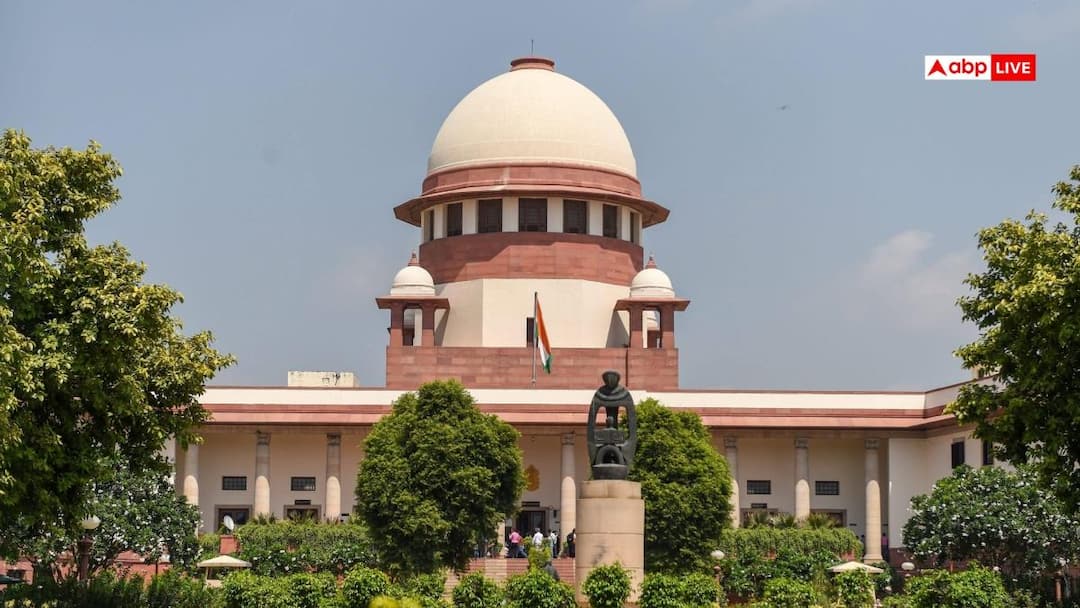
- Supreme Court examined press freedom protection for independent journalists.
- PILs challenged police non-recognition of independent journalists at protests.
- Senior advocate urged national protocol for journalists with employer IDs.
- Court cautioned recognizing everyone as a journalist creates problems.
The Supreme Court on Thursday raised concerns over the scope of press freedom protections as it heard public interest litigations (PILs) seeking safeguards for freelance and independent journalists, as well as reel-makers covering protests.
A bench comprising Chief Justice of India (CJI) Surya Kant and Justice Joymalya Bagchi was hearing submissions on allegations that Delhi Police did not recognise independent journalists covering protests and insisted on Press Information Bureau (PIB) accreditation.
Senior advocate Indira Jaising argued that a national protocol was needed to ensure police did not obstruct journalists carrying out their professional duties, provided they had an identity card issued by their employer.
‘If Everyone Becomes A Journalist…’
CJI Surya Kant cautioned that recognising everyone as a journalist could create difficulties. “We must also keep one thing in mind. If everyone starts becoming a journalist, it will create problems for every other person,” he said.
Justice Bagchi said the court would need to examine in detail whether the right to freedom of expression empowered every citizen to claim the status of a journalist.
“It will require a detailed examination whether the right to freedom of expression will empower every citizen of this country to be a journalist. That is difficult,” he said.
Different Categories Of Media Workers
Justice Bagchi pointed to the different categories involved, including accredited journalists, those employed by registered media organisations, freelancers, influencers and reel-makers. The court’s observations highlighted the need to examine how protections should apply across these groups.
The PILs raise questions about the safeguards available to people reporting from protest sites, where independent journalists and digital content creators may work alongside reporters from established media organisations.
Disclaimer : This story is auto aggregated by a computer programme and has not been created or edited by DOWNTHENEWS. Publisher: abplive.com




