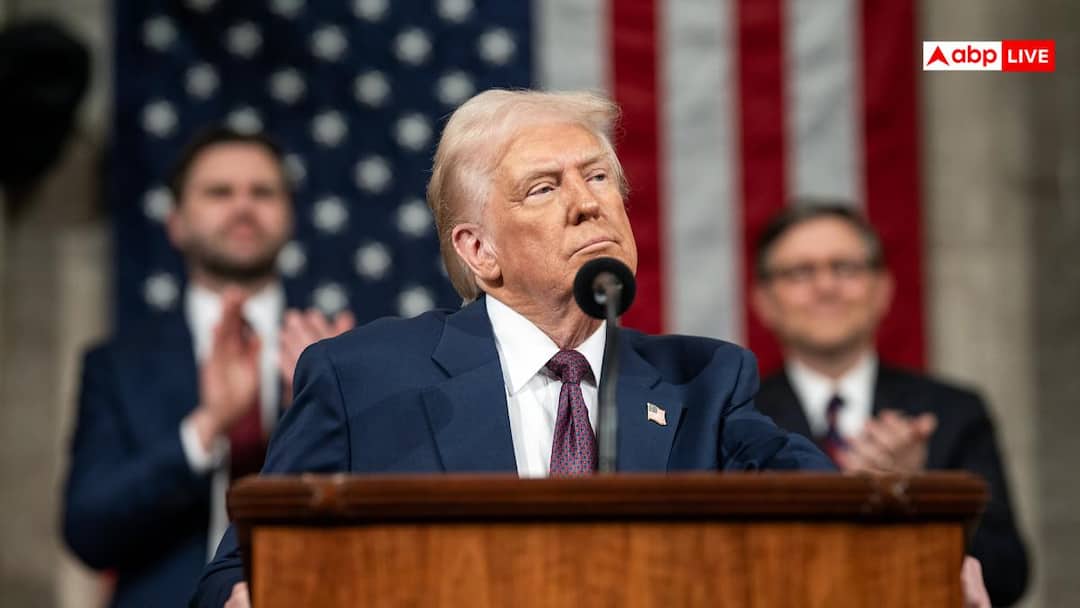
- Trump temporarily suspended sanctions on countries buying Russian oil.
- Decision justified as being in US national interest.
- Waiver delays 2026 Act implementation, not a permanent repeal.
- India, China had expressed concerns over potential tariffs.
US President Donald Trump has temporarily suspended sanctions and tariffs targeting countries that purchase Russian oil and gas, easing pressure on major buyers India and China just a day before the measures were due to take effect.
Trump justified the decision on grounds of national interest, issuing an executive order late Friday that allows the restrictions under the Lindsey O. Graham Sanctioning Russia and Iran Act of 2026 to remain on hold. The legislation, signed in September, was designed to penalise countries continuing to trade in Russian energy.
The waiver, however, does not permanently scrap the proposed penalties. The administration retains the authority to introduce the measures at a later date if Trump determines that further action is necessary.
Waiver Issued In National Interest
Explaining the decision, Trump said the suspension was necessary to protect US interests. “I am hereby waiving the application of such sanctions, restrictions, and duties provided for in the Graham Act. I have submitted to Congress a certification that the issuance of such a waiver at this time is in the national interest of the United States,” Trump said in an executive order released late Friday, as per reports.
The order specifies that the exemption will remain in force until Trump or senior administration officials conclude that “further action is appropriate.”
The legislation permits the president to waive the proposed penalties by notifying Congress that their implementation would not serve the national interest. The latest directive therefore postpones enforcement without removing the possibility of future sanctions.
ALSO READ: Delhi SIR: Reverification Begins For 47.56 Lakh Voters Removed From Draft Rolls, Says CEO
Proposed Tariffs Of Up To 100%
The legislation, championed by the late Republican Senator Lindsey Graham of South Carolina, proposed tariffs of up to 100% on imports from countries purchasing Russian energy.
Under its provisions, the penalties could have been imposed within 30 days on goods entering the US from the five largest importers of Russian crude oil or natural gas. The legislation also covered countries that knowingly purchased Russian oil or gas 30 days after its enactment, as well as nations among the top five helping Russia evade sanctions.
Trump signed the Lindsey O. Graham Sanctioning Russia and Iran Act of 2026 in mid-September. Its implementation threatened to expose major trading partners of Russia to steep additional costs when exporting goods to the US.
India And China Raise Concerns
India and China, two of the largest buyers of Russian oil, had expressed concerns over the proposed restrictions and their potential economic and diplomatic consequences.
Beijing had opposed the legislation’s approach, stating that it “consistently opposed long-arm jurisdiction that lacks a basis in international law”.
India, meanwhile, warned Washington that additional tariffs could affect bilateral relations between the two countries.
Disclaimer : This story is auto aggregated by a computer programme and has not been created or edited by DOWNTHENEWS. Publisher: abplive.com