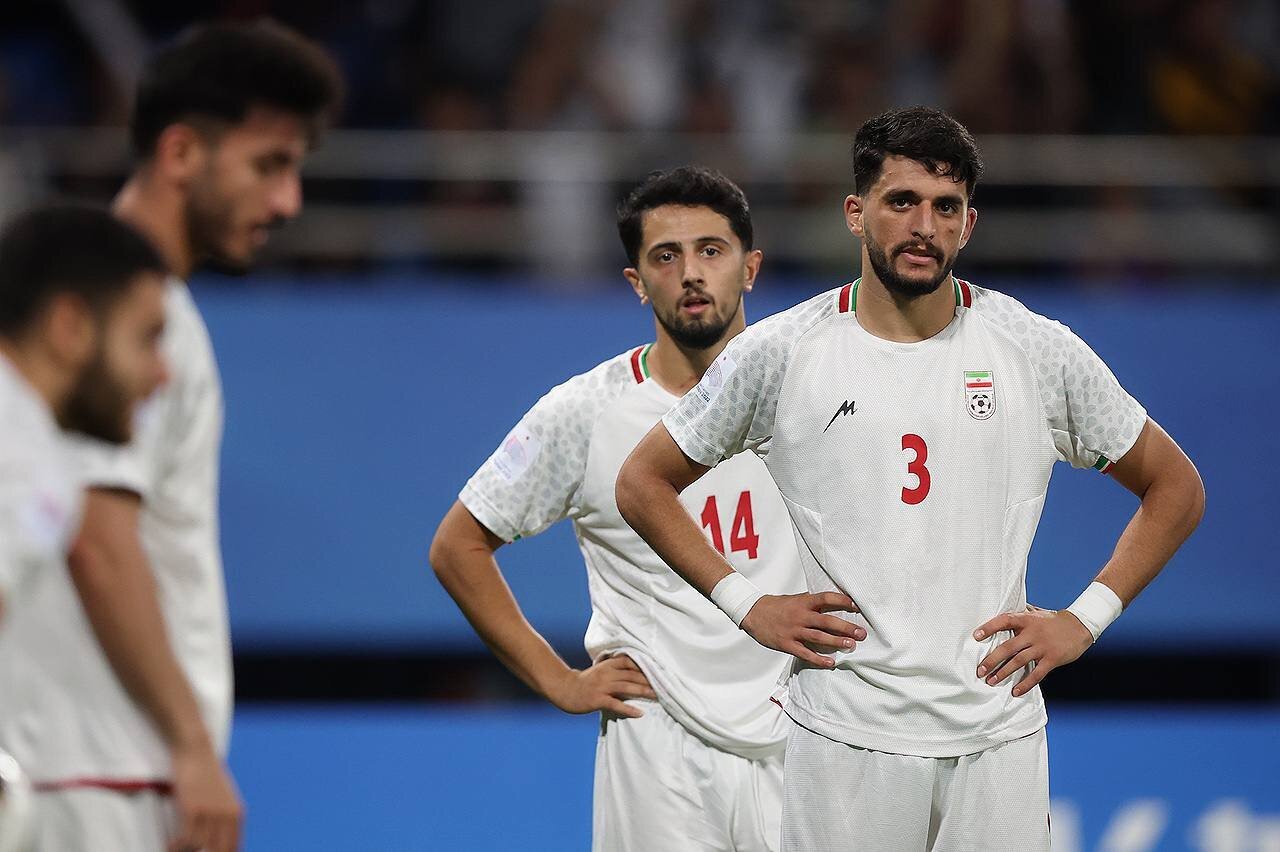
TEHRAN – Iran’s U23 football team are approaching another crucial stage in their development without a head coach, a settled management structure or a clearly defined roadmap towards the Los Angeles 2028 Olympic Games.
Nearly three weeks after the team’s disappointing exit from the 2026 Asian Games in Nagoya, the search for a successor to Hossein Abdi has yet to produce a final decision, with Yahya Golmohammadi now emerging as the leading candidate.
The uncertainty is becoming increasingly difficult to ignore. Iran travelled to Japan with ambitions of making progress but bowed out in the group stage after a 4-1 defeat by North Korea in its final match.
Abdi resigned after returning from Japan, leaving the Football Federation of Iran (FFIRI) to begin another search for a coach. Afshin Ghotbi was initially linked with the position, while other domestic and foreign names were also discussed. Those options have failed to produce an appointment, and Golmohammadi has moved to the front of the queue.
FFIRI president Mehdi Taj has confirmed that talks have taken place with Golmohammadi, saying the former Persepolis coach appears to be the closest candidate to the job. Golmohammadi, however, is currently in charge of Iraqi club Duhok, whose management has reportedly resisted the prospect of his departure. Iranian officials are therefore seeking the club’s approval before they can turn preliminary discussions into a final agreement.
The process has also raised questions about the federation’s decision-making structure. With the youth committee and national teams department assigned responsibilities under the federation’s statutes, the extent of their involvement in selecting the team’s coach remains unclear.
In a statement following the Nagoya elimination, the federation apologized to supporters and promised a thorough review, candid assessment and decisive action. Yet the gap between that pledge and the continuing uncertainty over the team’s leadership remains evident.
Abdi, meanwhile, challenged the federation’s account of the team’s preparation. He said the squad had gone 47 days without a training camp or access to players between early August and September 17, contradicting claims that adequate facilities and preparation had been provided.
Iran’s Olympic campaign requires sustained access to players, cooperation with clubs, a coherent schedule of training camps and international friendlies, and clear performance targets. Appointing an experienced coach may be a necessary first step, but it cannot substitute for a long-term strategy.
With qualification for Los Angeles 2028 the ultimate objective, Iran’s U23 team remain in limbo. The federation has acknowledged the failure in Nagoya and promised corrective action, but until a coach is appointed and a credible program is established, the road to the Olympics remains uncertain and the same cycle of late decisions and unmet expectations risks repeating itself.
Disclaimer : This story is auto aggregated by a computer programme and has not been created or edited by DOWNTHENEWS. Publisher: tehrantimes.com