
How parents of murdered stalking victim are campaigning for change
-
Published
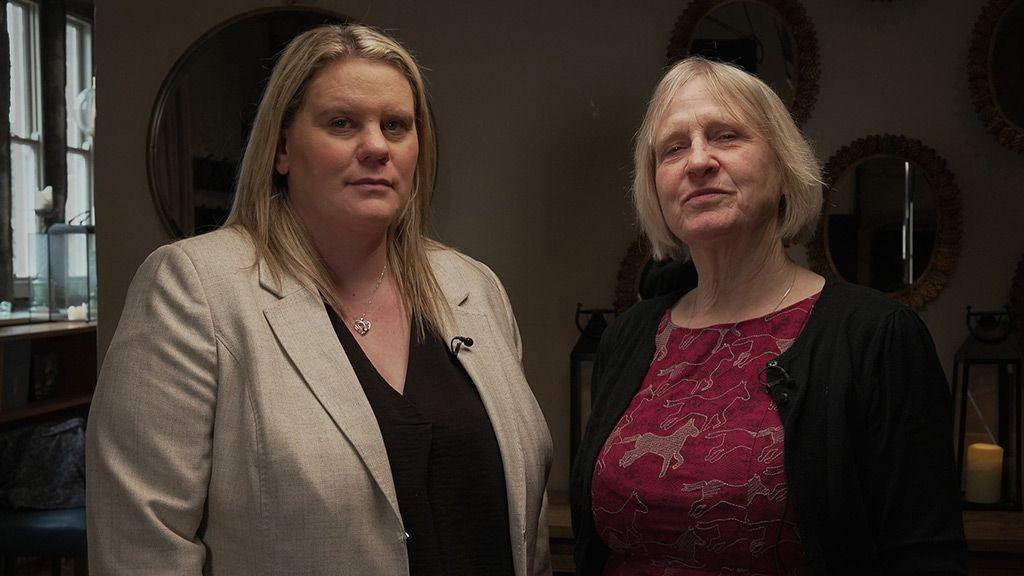
A decade after the brutal murder of her daughter, Dr Sue Hills still believes there needs to be change.
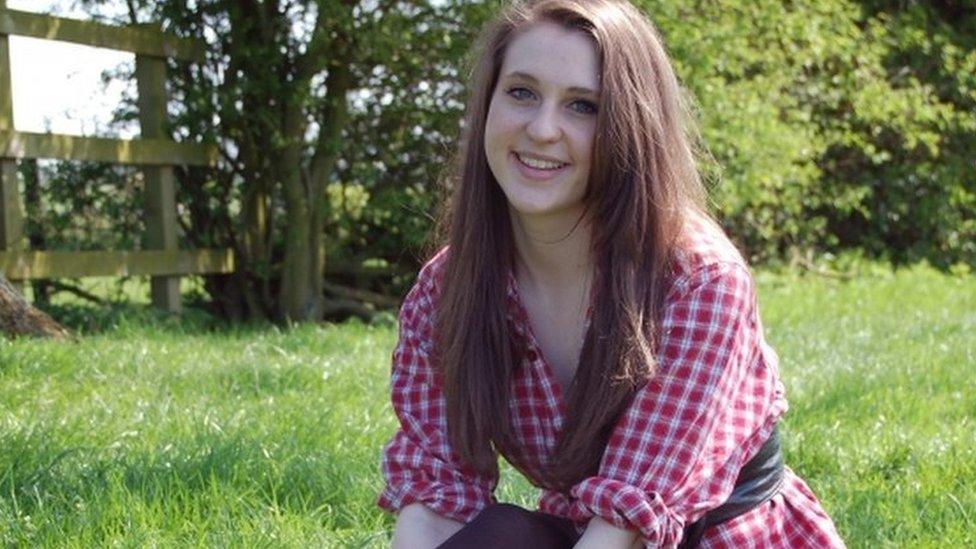
Alice Ruggles was 24 when she was killed by obsessive ex-boyfriend Trimaan “Harry” Dhillon in 2016.
Originally from Leicestershire, Ruggles had been subject to a lengthy campaign of stalking from the soldier, who drove from his barracks near Edinburgh, broke into her flat in Gateshead and killed her.
He was later found guilty of her murder and given a life sentence, with a minimum term of 22 years.
“Losing a child is a life-changing thing,” Hills said.
“My life before, my life after are completely different and I’m not on the path that I would have been on.”
Of Ruggles, Hills said: “She was absolutely brilliant – lively, hilariously funny, full of energy.
“She was really caring and empathetic. She was everything that you want out of a young person.”

Following her death, Hills, 65, and her husband Clive Ruggles, 74, started to campaign for better education surrounding stalking and changes to legislation.
It is now compulsory for secondary schools to include teaching about stalking, but the couple said they believed there should not be a distinction between stalking, and stalking involving fear of violence.
An independent review looking into the effectiveness of the current stalking legislation, led by Richard Wright KC, was submitted to the government in April.
Hills said she wanted to make sure the review was not “submerged” by changes of prime minister and cabinet.
“I think the review has a potential to have a really big impact,” Hills said.
“It’s one of those horrific things, every time the government changes or some big political thing happens, you just have a real worry that it’s going to be submerged and never see the light of day.
“We want it published as soon as possible.”
The review will look at whether existing laws sufficiently protect victims and hold perpetrators to account, as well as if legislation adequately addresses emerging forms of stalking, including online abuse and technology-enabled behaviours.
 Image source, Family handout
Hills said stalking victims should not need to be scared for more serious charges or punishments to be imposed.
“It’s a weird thing, if something is trying to scare you, and you say you’re scared then they’ve sort of won,” she said.
“If you admit you’re afraid, you’re handing your stalker a bit of help. Why is it all on the victim, and how the victim feels?
“You would never say that about a burglary to a house, would you?
“It’s a weird judgement to make.”
Ten years on from Alice’s death, the Alice Ruggles Trust is continuing to focus on educating young people about stalking, through school assemblies and PSHE (personal, social, health and economic) lessons.
In the past year, the trust has taught more than 4,000 young people to spot the signs of stalking, understand what healthy relationships are, and how to get help. It said it had also trained 600 professionals to recognise stalking and respond appropriately.
Hills said the trust aimed “to put an end to stalking”.
“I think that it’s true that the work that the trust is doing is changing people’s lives,” she said. “It’s for both stalkers and potential perpetrators.
“It’s important that people who are potential perpetrators get that education as well. Do they actually know that it’s wrong to keep messaging someone?
“I know it’s happened quite a lot that people have said they’ve realised that a friend was actually stalking his partner.
“So they were able to say to him, do you realise what you’re doing is wrong, and you’ve got to stop?”
 Image source, Lucy Parkinson
To support the trust’s school assembly programme, Ruggles’ friend Lucy Parkinson ran 250 miles over nine days from Newcastle to Leicestershire.
The 35-year-old, from King’s Norton in Leicestershire, raised more than £16,000 for the trust.
She also wanted to raise awareness about stalking.
“It’s happened to me,” she said. “It’s happened to other people and what we want to do is prevent what happened to Alice happening to other people.”
During her challenge, Parkinson said “lots of people” had come forward to share their stories showing “how common stalking is”.

Latest figures from the Office for National Statistics, external (ONS) showed an estimated 1.4 million people aged 16 years and over had experienced stalking, in the year ending March 2025, with women and younger people most commonly affected.
The ONS data also showed one in five women, and about one in 13 men aged 16 years and over, had been a victim of stalking.
A government spokesperson said: “We must use every lever available to tackle violence against women and girls, moving further and faster to stop harm before it happens.
“We are strengthening the use of Stalking Protection Orders, investing over £13m to establish specialist protection order teams, and last year we appointed Richard Wright KC, who prosecuted Alice’s case, to conduct an independent review to ensure the law is fit for purpose.”
Get in touch
Tell us which stories we should cover in Leicester
Listen to BBC Radio Leicester on Sounds and follow BBC Leicester on Facebook, external, on X, external, or on Instagram, external. Send your story ideas to eastmidsnews@bbc.co.uk, external or via WhatsApp, external on 0808 100 2210.
-
-
Published1 September 2025

-
-
-
Published26 February 2025
-
-
-
Published19 March 2019
-
-
-
Published28 July 2017

-
-
-
Published27 April 2017
-
-
-
Published26 April 2017

-
Related internet links
Disclaimer : This story is auto aggregated by a computer programme and has not been created or edited by DOWNTHENEWS. Publisher: BBC