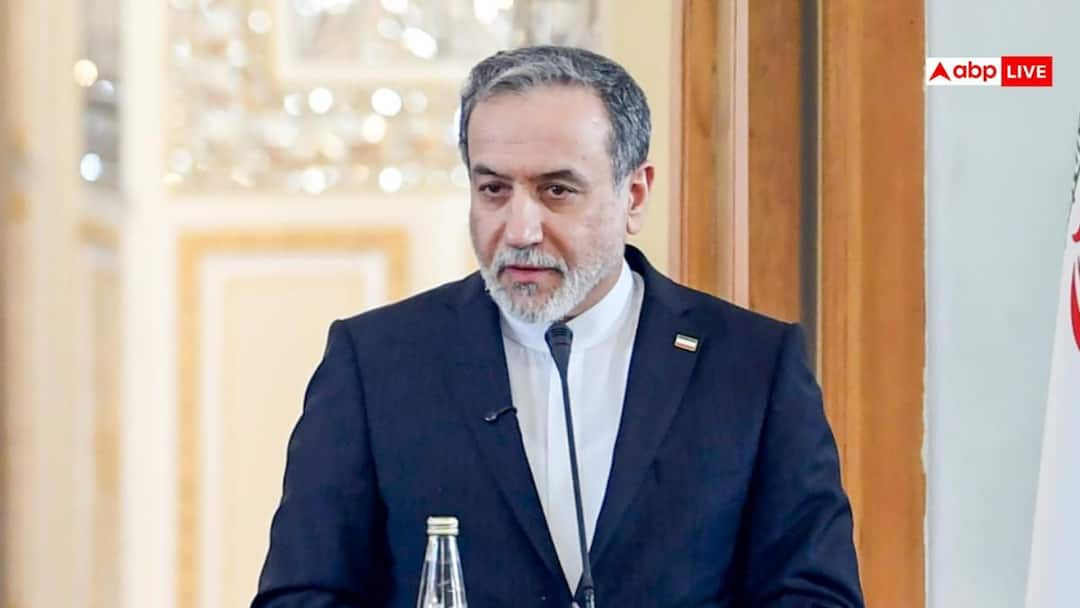
- Iran proposed 7-day roadmap to end conflict with US.
- Strait of Hormuz reopens day six if US meets demands.
- Negotiations could restart day seven if US shows sincerity.
- Iran accused US of aggression, violating international laws.
Iranian Foreign Minister Abbas Araghchi has announced a seven-day roadmap to end the ongoing conflict with the United States, saying the Strait of Hormuz could reopen on the sixth day and negotiations could resume the following day if Washington meets Tehran’s conditions.
Araghchi said Iran had presented its position to the US as a seven-day plan, while Washington had also put forward its views, which Tehran is currently reviewing.
His announcement comes amid continuing tensions between the two sides, with both trading accusations over the conflict and the prospects for a diplomatic resolution.
Iran Sets Conditions For Strait Of Hormuz Reopening
According to Iran’s state broadcaster Press TV, Araghchi said the next steps would depend on the US meeting Tehran’s demands. He suggested that a lack of sincerity on Washington’s part was preventing progress towards an agreement.
“If the US side were truly sincere, which it is not, the way forward would be clear,” Araghchi said, according to Press TV.
He added that the Strait of Hormuz could reopen on the sixth day under the proposed roadmap if the US fulfilled Iran’s conditions. Negotiations between the two sides could then restart on the seventh day.
‘US Prioritising Aggression Over Diplomacy’
Earlier, addressing a meeting of the Council of Foreign Ministers of the Organisation of Islamic Cooperation (OIC) in Baghdad, Iraq, Araghchi accused the US of pursuing aggression, threats and economic warfare instead of diplomatic engagement.
According to Al Jazeera, the Iranian foreign minister alleged that Washington had also resorted to killings, actions he described as clear violations of international law and the United Nations Charter.
Araghchi said Iran would not accept intimidation or pressure, nor would it surrender its sovereign rights under coercion. However, he maintained that Tehran remained willing to negotiate, provided the process was based on mutual respect and guaranteed trust.
Disclaimer : This story is auto aggregated by a computer programme and has not been created or edited by DOWNTHENEWS. Publisher: abplive.com