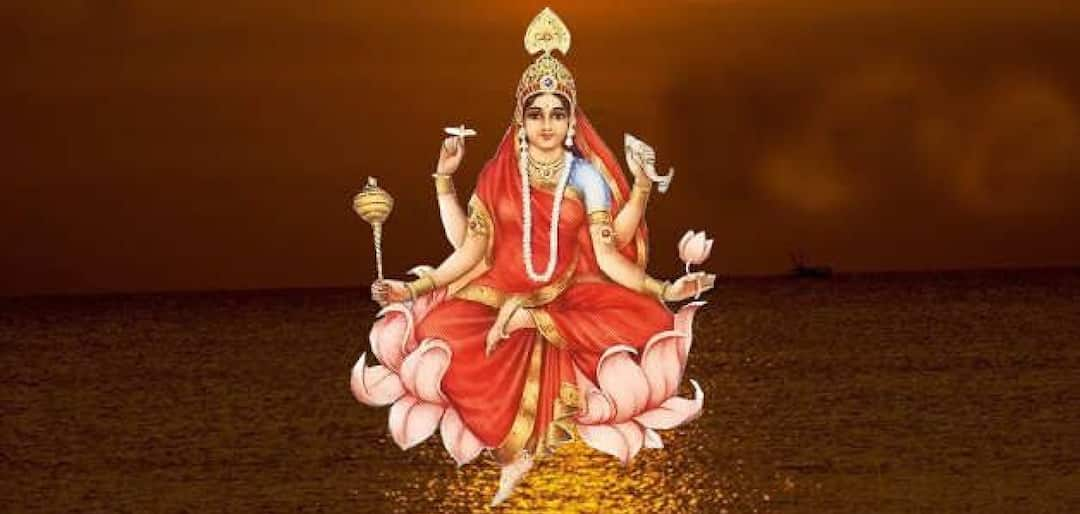
- Kanya Pujan, Havan are key concluding rituals for some.
Shardiya Navratri 2026 concludes with Maha Navami on Monday, October 19, a day dedicated to the worship of Maa Siddhidatri, the ninth and final form of Goddess Durga. Devotees worship the goddess with prayers, mantra chanting, bhog offerings and aarti, seeking blessings for wisdom, prosperity, spiritual growth and fulfilment. Kanya Pujan and Navami Havan are also important rituals associated with the occasion.
Maa Siddhidatri: Significance Of Navratri Day 9
Maa Siddhidatri is worshipped as the goddess who bestows siddhis, or spiritual accomplishments and divine powers. According to Hindu beliefs, she represents the culmination of the nine forms of Goddess Durga worshipped during Navratri. The goddess is traditionally depicted seated on a lotus and having four arms, holding a conch, discus, mace and lotus. She is also associated with a lion. Devotees believe that worshipping Maa Siddhidatri with devotion brings wisdom, inner strength, peace and prosperity. Maha Navami marks the final day of Navratri worship and is considered significant for completing prayers and rituals observed throughout the nine-day festival.
ALSO READ | Shardiya Navratri Day 9: Maa Siddhidatri Wishes And Messages To Share With Your Loved Ones
Maa Siddhidatri Puja Vidhi For Maha Navami 2026
Devotees can perform Maa Siddhidatri’s puja at home by following traditional rituals. The exact practices may vary according to regional customs and family traditions.
-
Clean the puja area: Begin the day by bathing and cleaning the place of worship. Place an image or idol of Maa Siddhidatri on a clean altar.
-
Light a diya: Light an oil or ghee lamp and incense sticks before the goddess.
-
Offer flowers and kumkum: Present fresh flowers, kumkum, akshat (uncooked rice) and other traditional puja items to the goddess.
-
Offer bhog: Prepare a traditional offering and place it before Maa Siddhidatri with devotion.
-
Chant the mantra: Recite the goddess’s mantra while praying for wisdom, peace and spiritual fulfilment.
-
Perform aarti: Conclude the puja by performing the goddess’s aarti and offering prayers.
Devotees who observe Navratri fasts may also perform Havan and Kanya Pujan on Maha Navami, according to their family customs and the local Panchang.
Maa Siddhidatri Mantra For Navratri Day 9
Devotees chant the following mantra while worshipping Maa Siddhidatri on Maha Navami:
‘Om Devi Siddhidatryai Namah’
The mantra is traditionally recited to seek the goddess’s blessings for spiritual growth, wisdom and fulfilment. Devotees may chant it during the puja or while meditating before the deity.
ALSO READ | Kolkata Durga Puja 2026: Mahabharata’s 18 Episodes Meet AI And Science In Unique Pandals | WATCH
Maa Siddhidatri Bhog: What To Offer On Maha Navami?
Sesame seeds, also known as til, are traditionally associated with offerings to Maa Siddhidatri in some devotional practices. Devotees may also offer fruits, coconut and homemade sweets according to their family traditions. Halwa, puri and black chana are commonly prepared as prasad for Kanya Pujan during Navratri. After the offering, the prasad is distributed among family members and devotees. The choice of bhog can vary across regions and households. Devotees generally prepare the offerings with cleanliness and devotion.
Maa Siddhidatri Aarti On Navratri Day 9
Aarti is an important part of Maa Siddhidatri’s worship on Maha Navami. Devotees traditionally sing the goddess’s aarti while moving a lit lamp before her image or idol. One of the commonly recited aarti openings is:
‘Jai Siddhidatri Maa, Tu Siddhi Ki Daata’
Devotees continue the aarti with prayers praising the goddess’s divine powers and seeking her blessings. The ritual is followed by prayers and the distribution of prasad.
Kanya Pujan And Havan On Maha Navami
Kanya Pujan, also known as Kanjak Puja, is an important Navratri tradition observed by many devotees on Ashtami or Navami. Young girls are worshipped as manifestations of the divine feminine. Families traditionally welcome them, wash their feet as a mark of respect, offer food and give gifts according to their customs. Navami Havan is another ritual performed by some devotees to conclude their Navratri worship. Sacred offerings are made into the fire while mantras are recited. The timing of these rituals may differ according to the local Panchang and regional traditions. In 2026, Ashtami and Navami fall on October 19, with the Navami tithi beginning during the morning. Devotees should check their local Panchang before deciding the timing of their puja, Havan or Kanya Pujan. As Shardiya Navratri comes to an end, devotees offer prayers to Maa Siddhidatri with faith and devotion, marking the culmination of nine days dedicated to the worship of Goddess Durga.
Disclaimer: The information provided here is based solely on beliefs and information. It’s important to note that ABPLive.com does not endorse any beliefs or information. Consult a relevant expert before acting on any information or information.
Disclaimer : This story is auto aggregated by a computer programme and has not been created or edited by DOWNTHENEWS. Publisher: abplive.com