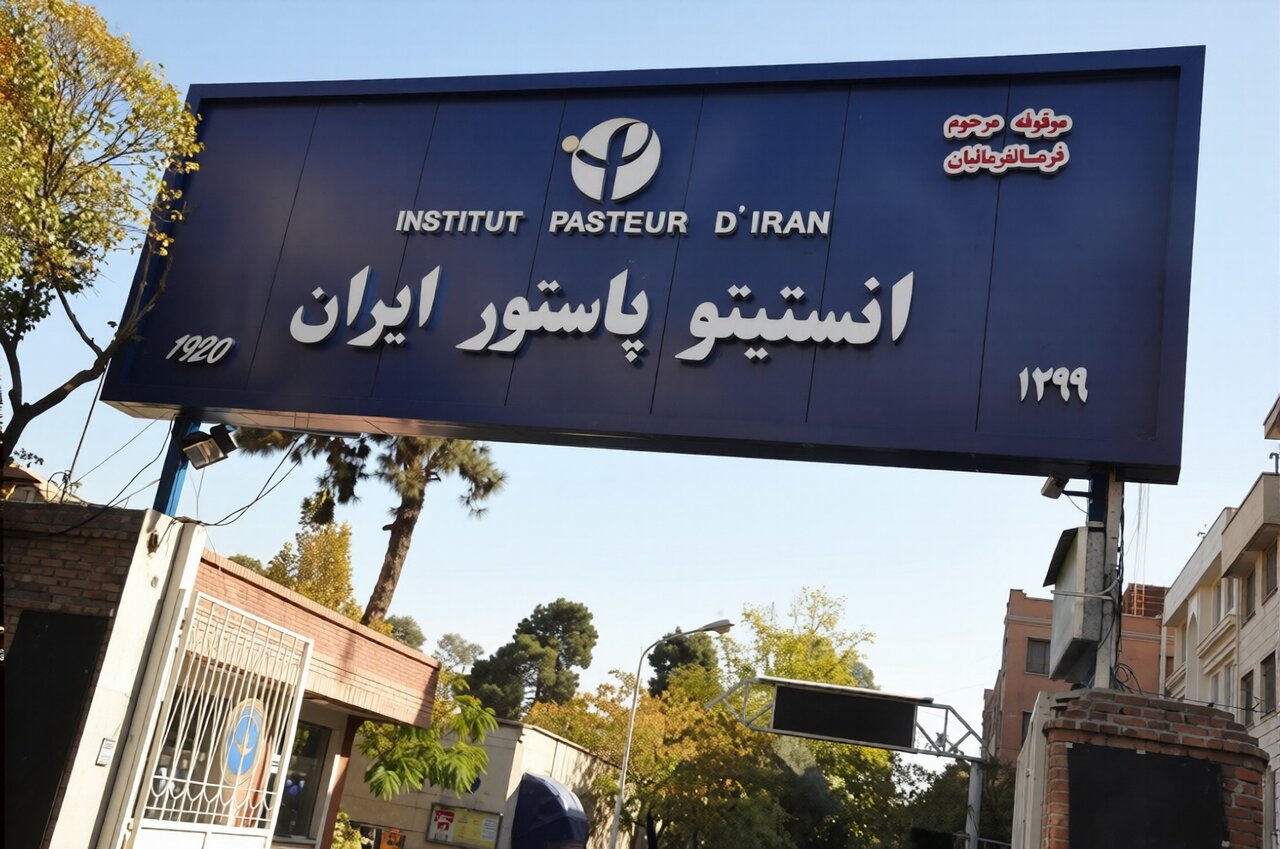
TEHRAN – The World Health Organization (WHO) has extended the designation of Pasteur Institute of Iran as its collaborating center for reference and research on rabies for another four years, till January 14, 2030.
Through sustained comprehensive efforts, exceptional scientific expertise, and compliance with international standards, the institute has obtained a renewed four-year endorsement from this global health body. The designation highlights the pivotal role and scientific authority of the Pasteur Institute of Iran in education, specialized diagnosis, applied research, and strengthening surveillance systems for the elimination of rabies in Iran and the Eastern Mediterranean Region (EMR), IRNA reported.
Founded in 1920, the Pasteur Institute of Iran is a longstanding member of the Pasteur Network. The Institute contributes to national, regional, and global public health through its national reference laboratories, WHO Collaborating Centers, disease surveillance and diagnostics, biobanks, and the production of essential medical countermeasures.
The Pasteur Institute of Iran has been a pillar of the country’s public health system for more than a century. This institute has provided key public health infrastructure on multiple fronts, including vaccine development and production, national reference laboratory services, diagnostics, and genomic surveillance for infectious diseases, including SARS-CoV-2, cholera, rabies, measles, tuberculosis, HIV/AIDS, and viral hepatitis.
The Institute was targeted by the US and Israel on April 2. Following the attack, Mario Moreira, President of the Pasteur Network, expressed concern over the destruction of the Pasteur Institute of Iran and warned of the potential regional impacts, as it disrupts the major role of this century-old pillar of global health in prevention and control of existing and rising health threats in the region.
International scientific reporting, including coverage in Science Magazine, has highlighted the effects of escalating hostilities on universities and research institutions in Iran, including impacts on academic and public health infrastructure.
Iran, WHO join efforts to eliminate human rabies by 2030
The National Plan for the Elimination of Human Rabies 2026–2030 was formally countersigned at a seminar marking World Rabies Day, hosted by the Ministry of Health and Medical Education’s Centre for Communicable Disease Control.
The initiative aims to strengthen national efforts to prevent and ultimately eliminate human rabies through coordinated measures in disease surveillance, prevention, public awareness, and timely access to post-exposure treatment.
Speaking at the event, Dr Jean Jabbour, WHO Representative in the Islamic Republic of Iran, emphasized the need for collaboration across human health, veterinary services, municipalities, communities and other sectors through a One Health approach. He also highlighted timely care after animal bites and dog vaccination as essential measures to prevent rabies deaths.
Achieving the goal of zero human deaths from rabies by 2030 requires enhancing collaborations among the health system, veterinary services, municipalities, and local communities within the framework of the “One Health” approach, Jabbour stated.
Dog bites contribute to 99 percent of human rabies cases. Despite being fatal, rabies is entirely preventable. However, no single organization can defeat the disease on its own, the health ministry’s website quoted Jabbour as saying.
The official made the remarks on the occasion of World Rabies Day, which is marked on September 28 every year.
Highlighting this year’s World Rabies Day theme, ‘Stronger Together’, he noted that rabies elimination needs ongoing multi-sectoral cooperation among physicians, veterinarians, health staff, municipalities, and local communities.
Referring to the number of animal bites in the country, he said over the past two decades there has been a fivefold increase in the number of reported cases. More than 441,000 individuals bitten by animals were referred to medical centers in the past Iranian year (March 2025 – March 2026). Twenty of them lost their lives, and it could have been prevented. Eleven individuals died without receiving any treatment.
The statistics indicate that, in addition to prompt presentation of the bitten person to medical centers, timely and appropriate post-exposure care and the raise of public awareness are critical, and every case of animal bite must be treated as a medical emergency. When a person is bitten or scratched by an animal, even if the bite looks small, they have to visit a healthcare provider right away, he added.
Noting that approximately four out of every five confirmed rabies deaths in Iran are due to dog bites, Jabbour stated that stray dogs alone account for more than half of these cases, while the rest are attributed to wild animals, including wolves and foxes.
The official underlined the role of One Health strategies for rabies control, including constant vaccination of dogs, effective management of stray dogs, and the promotion of close cooperation among the human health, environmental health, and veterinary sectors, he added.
Lauding the adopted measures in the country, Jabbour said some 729 rabies prevention and treatment centers are operating across the country, and post-exposure care services are provided in all provinces.
Around one million doses of human rabies vaccine and 180,000 vials of anti-rabies serum are procured for the national program annually; the Pasteur Institute of Iran helps diagnose confirmed cases of rabies as well as train physicians and health workers.
The official went on to say that the development of a national strategic document for rabies eradication is also a significant step toward aligning Iran with the global goal of “zero human deaths from dog-mediated rabies by 2030”, adding that the WHO is committed to supporting Iran, through technical assistance and collaboration, in achieving the goal.
Disclaimer : This story is auto aggregated by a computer programme and has not been created or edited by DOWNTHENEWS. Publisher: tehrantimes.com