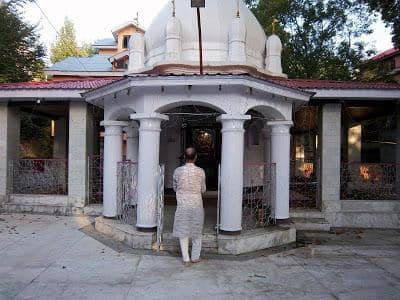
- Temple holds historical, religious significance for Kashmiri Pandits.
The Kashmir Valley is witnessing a devotional atmosphere during Shardiya Navratri, with devotees gathering at the historic Durga Nag Temple in the Dal Gate area of Srinagar. On the second day of the festival, devotees visited the shrine to offer prayers to Goddess Durga and seek peace, harmony and prosperity for Jammu and Kashmir. A special Maha Puja was organised at the temple, where devotees participated in religious rituals and chanted prayers in praise of the Goddess.
Durga Nag Temple Becomes A Centre Of Navratri Celebrations
Located near the foothills of Shankaracharya Hill in Srinagar’s Dal Gate area, Durga Nag Temple holds religious and historical significance for Kashmiri Pandits. During Navratri, the shrine attracts devotees from across the region and visitors from other parts of the country. The temple premises are decorated with flowers and lights during the festival, creating a spiritual atmosphere. Devotees visit the shrine to offer prayers and seek blessings from Goddess Durga.
Kalash Yatra And Traditional Rituals Mark Navratri
The Navratri celebrations began with Ghatasthapana, the ritual of installing a sacred pot that marks the beginning of the nine-day festival. A Kalash Yatra was also organised as part of the celebrations. Religious ceremonies at the temple include the recitation of the Durga Saptashati and the performance of havan rituals. Devotees participate in these traditional practices throughout Navratri to worship the Goddess and seek her blessings.
ALSO READ | Dussehra 2026: Why Is Seeing The Neelkanth Bird Considered Auspicious? Know The Mythological Significance
Durga Nag Temple’s Historical And Religious Significance
Durga Nag Temple reflects Kashmir’s longstanding traditions of Hindu worship, particularly the Shaivite and Shakta traditions. Religious accounts associate the shrine with ancient spiritual practices in the Kashmir Valley. According to local religious beliefs, Jagadguru Adi Shankaracharya visited Kashmir during the eighth century and is associated with spiritual activities at sacred sites in the region. However, historical claims concerning the temple’s origins and its connection with Adi Shankaracharya require independent verification. The temple is dedicated to Goddess Durga and also has an association with the worship of Lord Shiva, reflecting the region’s diverse religious traditions.
ALSO READ | Dussehra 2026: What Do Ravana’s 10 Heads Symbolise? Know Their Spiritual Meaning
Why Is Durga Nag Temple Named After A Water Source?
The word nag in Kashmiri is associated with a spring or natural water source. A sacred water source within the temple premises is linked to the shrine’s name, Durga Nag Temple. The water is considered sacred by devotees and is associated with local religious practices. The temple’s connection with the natural water source adds to its spiritual significance. As Navratri celebrations continue, Durga Nag Temple remains an important place of worship for devotees in Srinagar, who gather to offer prayers and seek blessings for peace, prosperity and harmony in the Kashmir Valley.
[Disclaimer: The information provided here is based solely on beliefs and information. It’s important to note that ABPLive.com does not endorse any beliefs or information. Consult a relevant expert before acting on any information or information.]
Disclaimer : This story is auto aggregated by a computer programme and has not been created or edited by DOWNTHENEWS. Publisher: abplive.com