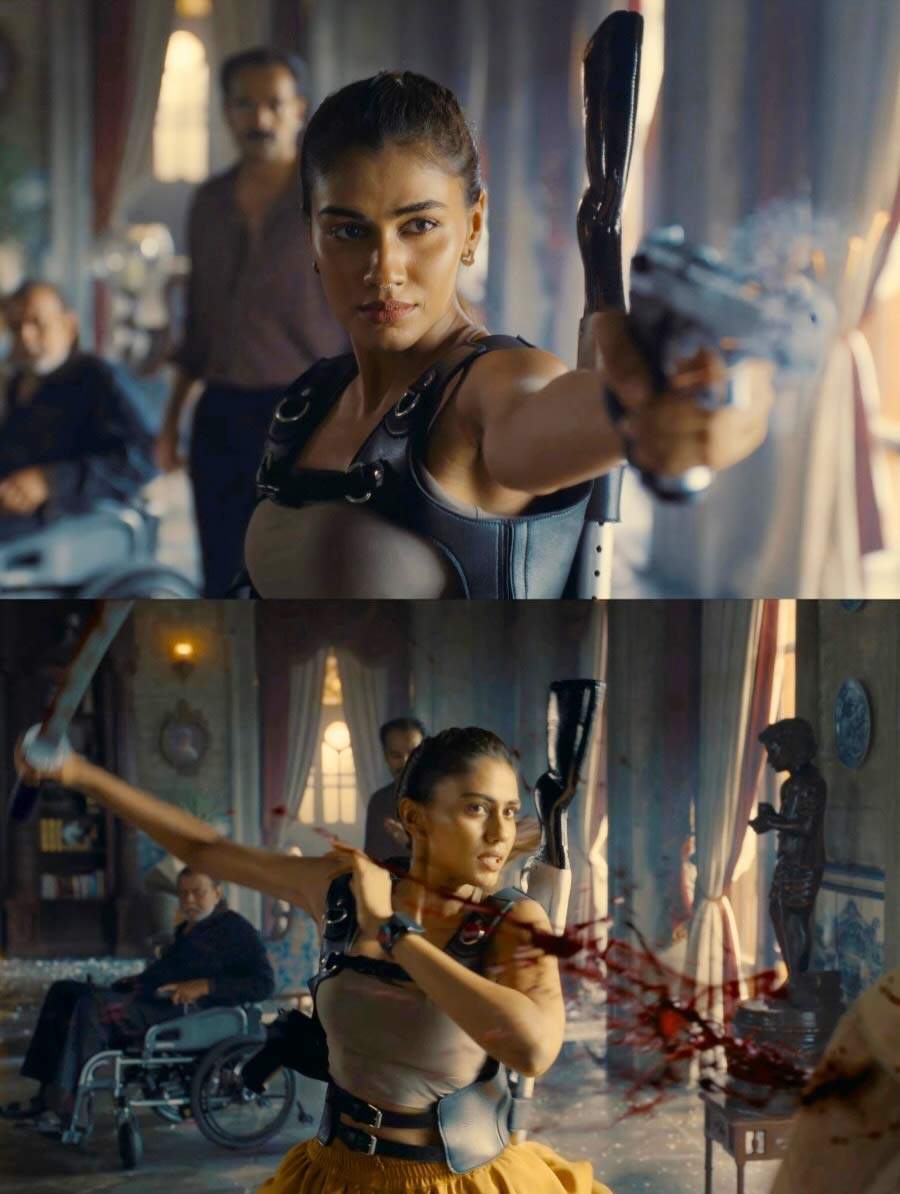
Within a week of its release, Jailer 2 has crossed the Rs 500 crore mark worldwide. Headlined by Rajinikanth, the film features an ensemble cast that includes S. J. Suryah, Mithun Chakraborty, Suraj Venjaramoodu, Vidya Balan, among others. It also marks Apeksha Porwal’s Tamil film debut, who plays the role of an assassin and appears alongside Hrithik Rohsan in the film’s high octane climax scene. With titles such as Miss India Delhi winner and Miss Diva 2017 runner-up to her credit, Apeksha made her Bollywood debut with Undekhi in 2020. In an exclusive conversation with Filmfare, she looks back on her experience of working with Rajinikanth, sharing the set with A-list stars, things that stood out to her about the Tamil film industry and the lessons she takes away from the experience. Read on.
Tell us about your preparation for the role and some of the challenges you faced while making the film.
Martial arts is not something you can just learn in a day. I started training in martial arts because I personally really enjoy it. It started off as a hobby, but I knew in my head that I wanted to do it on screen. One of my favourite films ever is Kill Bill. It stars Uma Thurman, who literally wields a katana throughout the film. And I got to do it on screen, so that’s really amazing. I’m very grateful for that. In terms of fitness, it is something I really enjoy. I like going to the gym and staying fit. For the film, I became very strict with my routine. I was weight training five to six days a week, even while I was shooting. I would shoot during the day, come back and go straight to the gym. After the gym, I would go for a swim because swimming is really good for your physique.
Did you have a stunt double for action sequences or did you perform everything yourself?
I did my own stunts. There was no stunt double at all.
You are part of a larger-than-life film with an ensemble cast, led by Rajinikanth. What was your first interaction with him like?
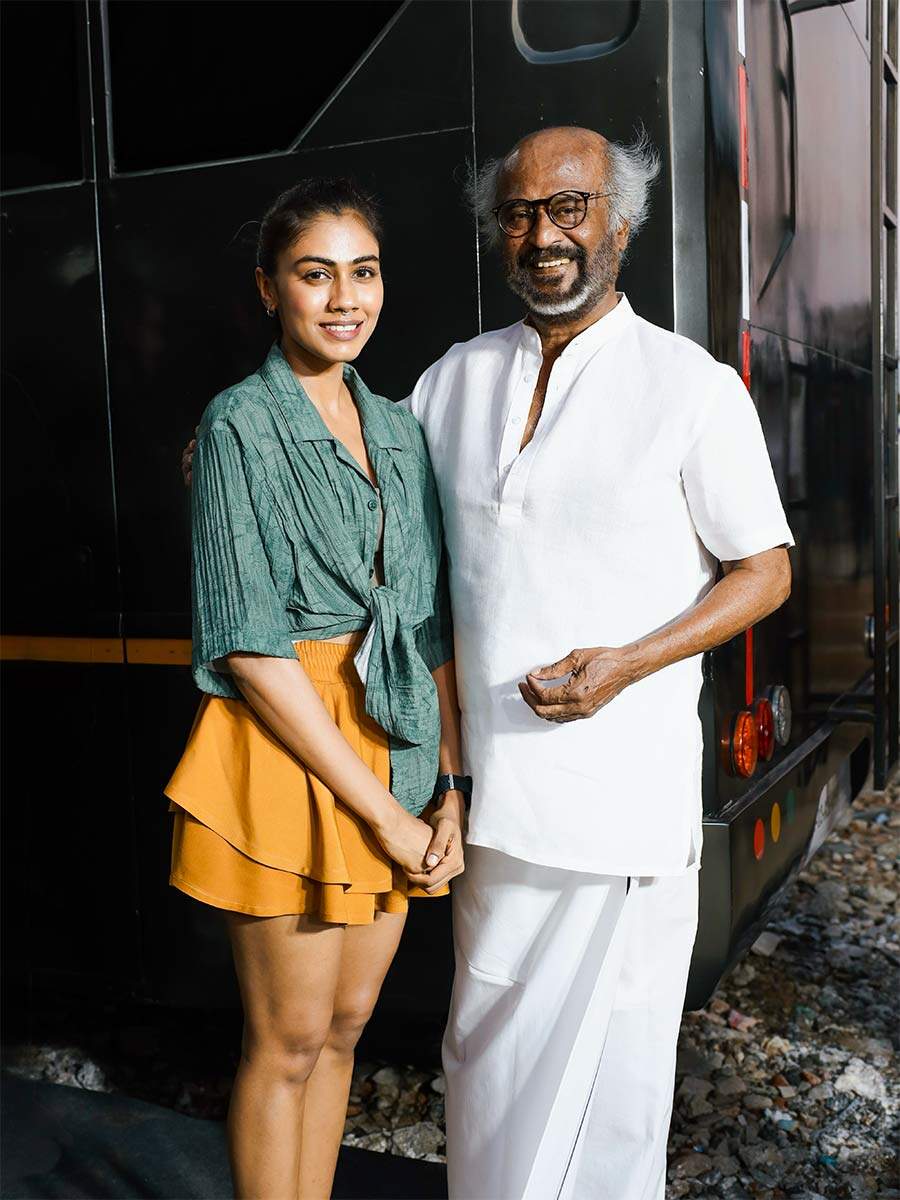
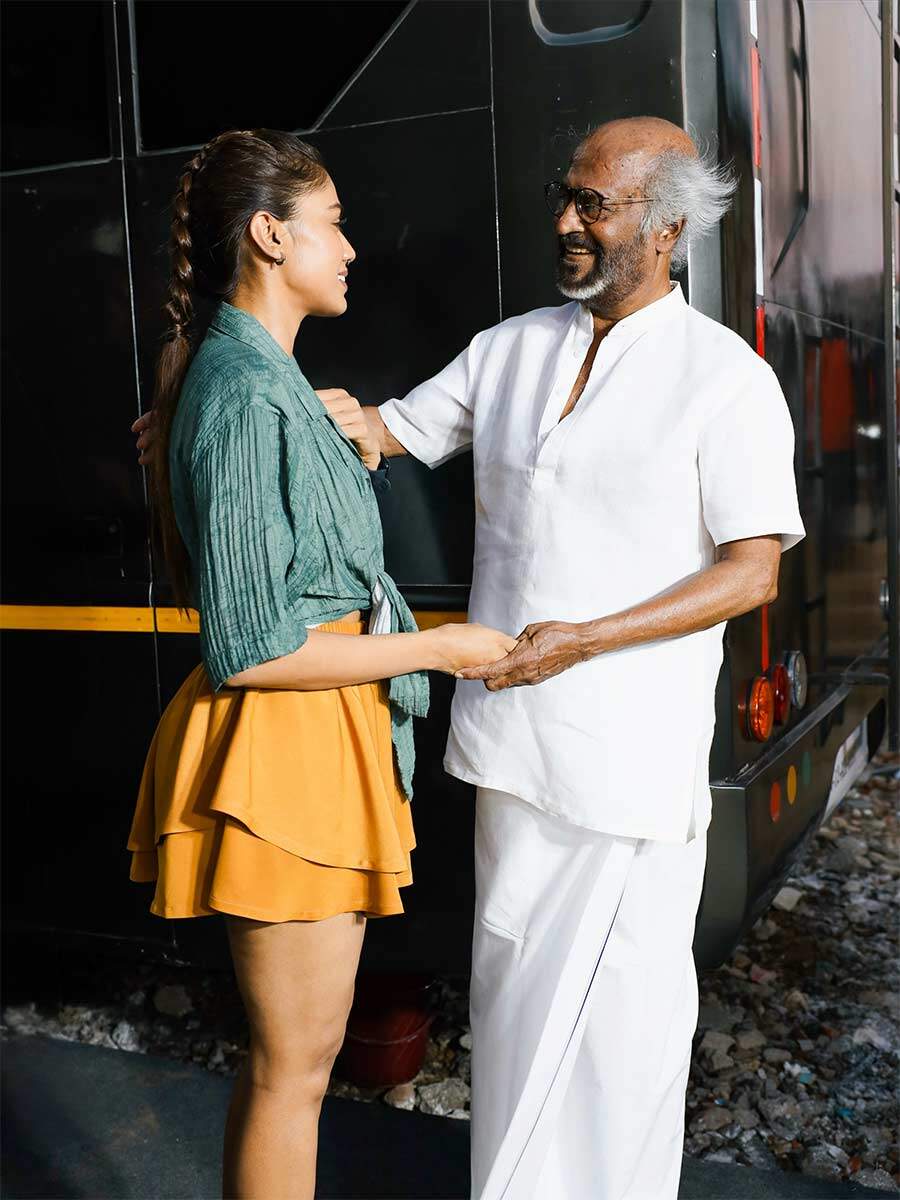
When somebody of his stature walks onto a set, the whole pulse of the set changes. You can feel it in the air. I was a little spellbound because, as a much younger and newer actor, I couldn’t just walk up to Rajinikanth sir. I thought that if he said hello, I would greet him. And he did. He is such a humble person. He is always smiling and greeting people with a good morning. It is not just with me; he does it with everyone on set. One of my biggest takeaways was that people know Rajinikanth as the myth, the legend. But when you see him up close, you realise what people actually love about him and what makes him so great. It is literally how humble he is. He is so down-to-earth. When the director is speaking, he gives him the respect he deserves. He never throws his stardom or his weight around. I have never seen him do that. His greatness lies in his humility and simplicity.
You are also part of a climax sequence featuring Hrithik Roshan. What are some things you observed about his preparation that you can share with us?
Hrithik is extremely focused. He is very clear about what he wants. If he looks like a Greek god on screen, it is because he knows how to deliver that every single time. While observing him, I noticed that he is very eager to take directions from the director and follow his vision. At the same time, Hrithik is very particular about the way he looks, how he is presented and how he comes across on screen.
Coming to Nelson, what can you tell us about the kind of director he is?
Nelson has a really nice, quirky and dark sense of humour, which comes across in the film. He is extremely particular about his shots and lighting. The team will spend hours getting everything precisely the way he wants it. He would ensure all the elements like style, frame and humour would come across well. I haven’t seen a single day when he has lost his cool, which is remarkable given the scale of the film, its massive budget and the high-octane action.
Can you recall a memorable behind-the-scenes moment from Jailer 2 that you will always cherish?
One day that really stayed with me was the first day I performed my entire action sequence. There were around 150–200 crew members, and we were doing high-end action sequences. I was doing action from morning until evening because that was how they were shooting it. That day, the great Rajinikanth was on set, along with Mithun Chakraborty, S. J. Suryah, Ramya Krishnan and Vidya Balan. All these people were frozen in their positions while I had to perform my action. It was such a pinch-me moment to be on that set.
Describe what you felt when you first watched it on the big screen?
Rajinikanth’s mass film was an experience in itself. Then, when I come in at the end with Hrithik, everyone starts screaming. The feeling of watching a massy South Indian film in a single-screen theatre is something that will stay with me.
Since you have worked in both the Tamil and Hindi film industries, tell us one thing you appreciate about each industry and one thing you think has scope for improvement.
In the Tamil industry they are extremely particular about timings. They started at a particular time and wrapped up at a particular time. One thing I really loved about working on this film was that phones weren’t allowed on set at all. I remember being surprised because I was new to that experience. And it’s amazing, right? That’s how it is in Nolan’s films and Tarantino’s films, too. They don’t allow phones on set because there was so much at stake, and they didn’t want any pictures from the set to get leaked. But because of that, it was a very magical filmmaking experience. What happens on set stays on set, and only the final product goes out.
What about the Hindi film industry?
What I really like about it is the kind of work that is coming out, the projects being made and the risks we are taking. I think that is happening across the board, whether in Hindi cinema or South Indian cinema.
What has been the hardest part about building a career on your own terms?
I came into this industry with no godfather, no knowledge and no prior understanding of how things worked. I’ve learnt everything on the job. Of course, there have been challenges. I’m still learning, and I will keep learning and discovering new things. But the positive side is that when you come in without any baggage, there is so much room to experiment. And that is liberating.
Also Read: Jailer 2 Box Office Day 4: Rajinikanth’s Film Crosses Rs 400 Crore Worldwide
Disclaimer : This story is auto aggregated by a computer programme and has not been created or edited by DOWNTHENEWS. Publisher: filmfare.com