
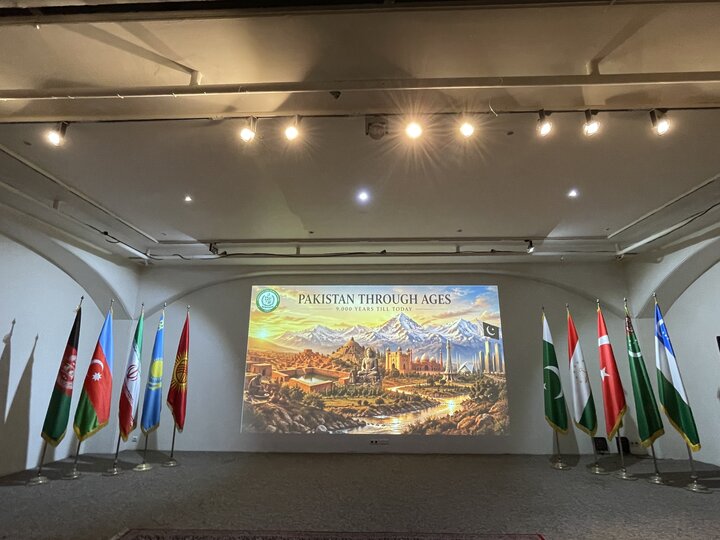
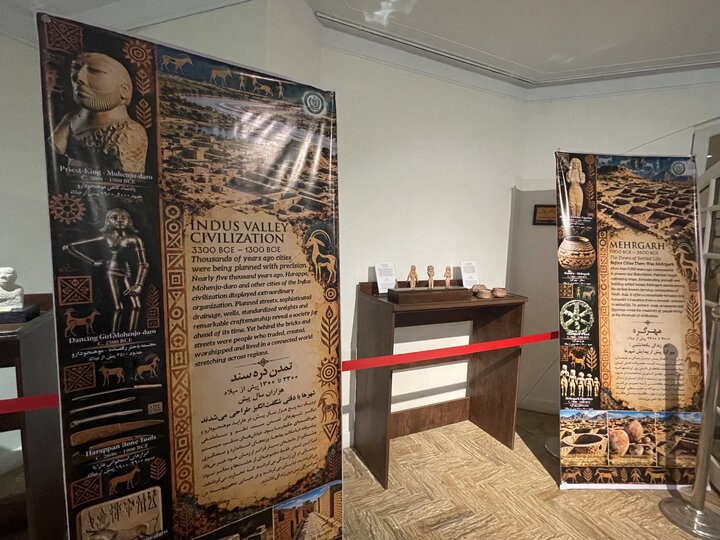
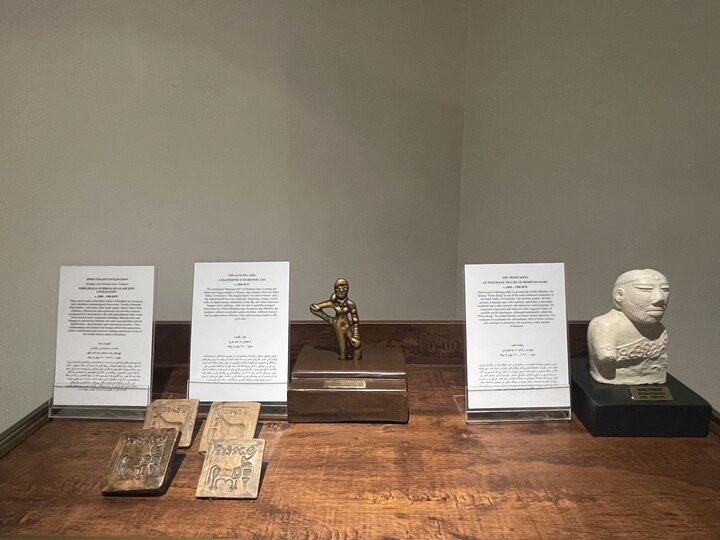
TEHRAN- A Tehran exhibition is offering visitors a journey through Pakistan’s civilizational arc—from its ancient roots to its enduring literary traditions—while spotlighting the cultural bridges between Iran and Pakistan. Titled “Pakistan Through the Ages,” the show was inaugurated on October 20, drawing diplomats, cultural officials and researchers.
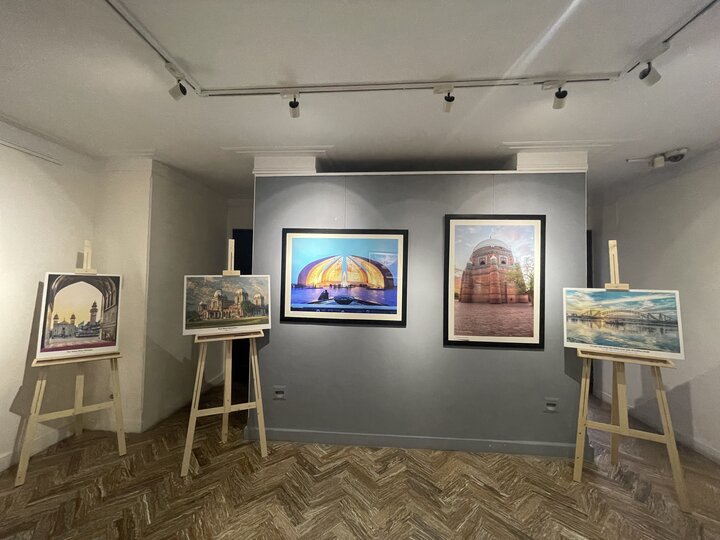
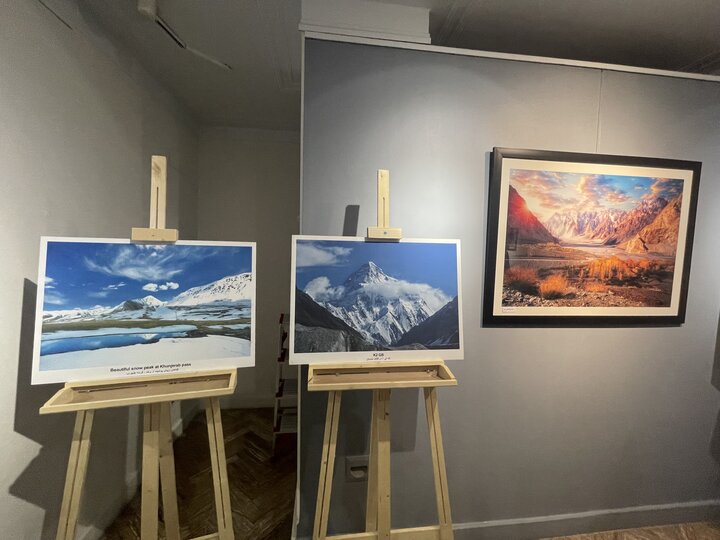
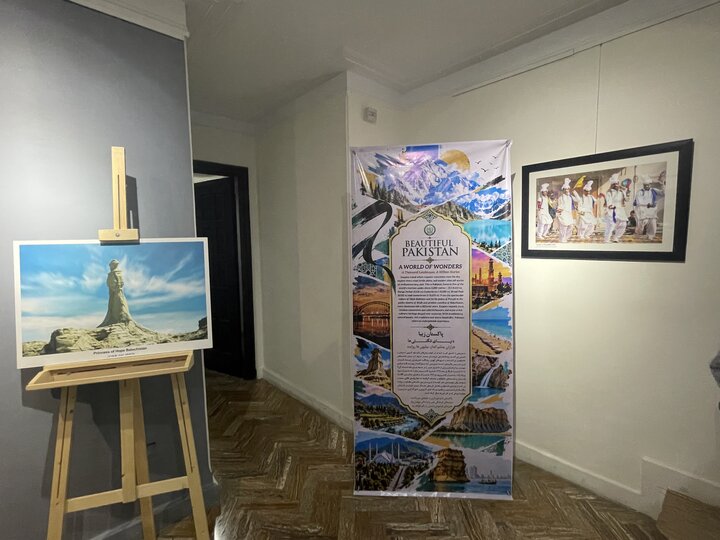
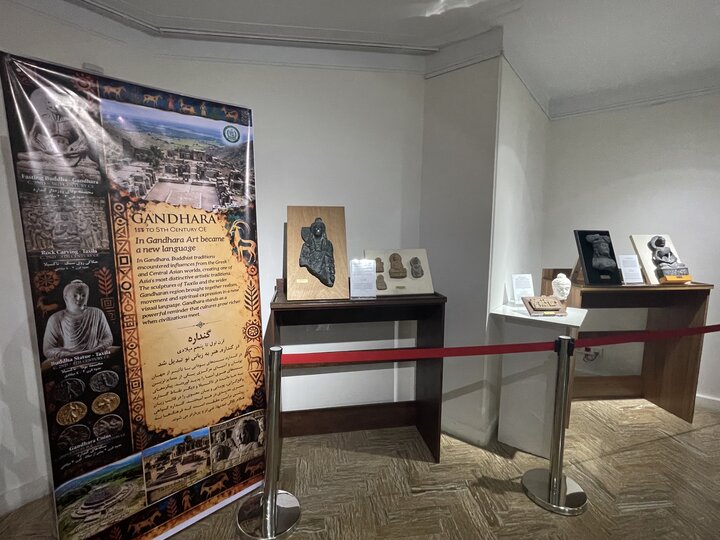
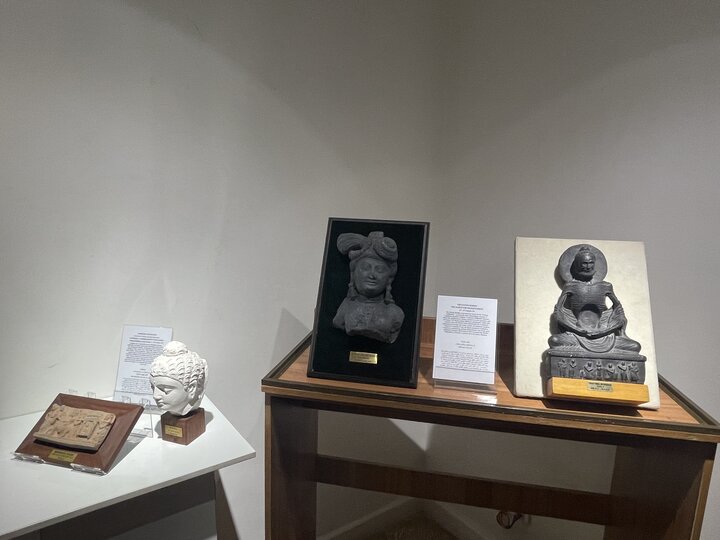
Organized by the Embassy of Pakistan in Tehran in collaboration with the ECO Cultural Institute (ECI), the exhibition brings together historical photographs, calligraphy, paintings and visual records from different periods, giving visitors a broad view of Pakistan’s cultural heritage. Its title underlines the country’s historical depth and the continuity of that heritage over time.
The opening also served as a platform for discussion of the two countries’ shared civilizational legacy, the influence of Persian language and literature on the Indian subcontinent, and the scope for expanding cultural and tourism cooperation across the region.
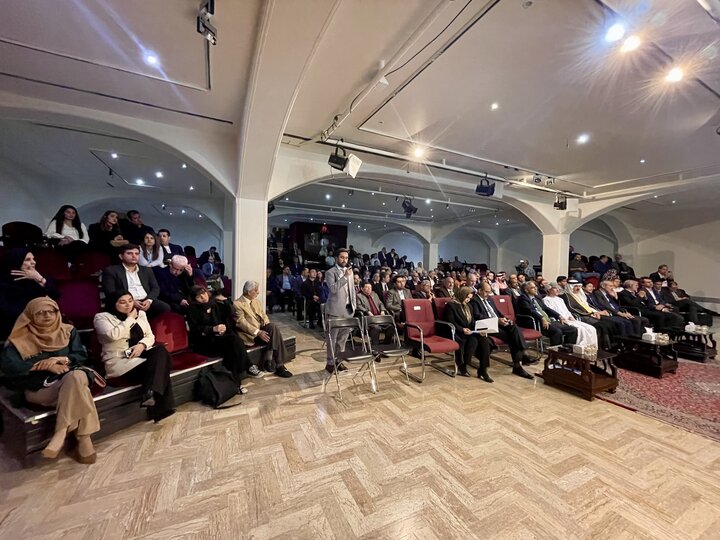
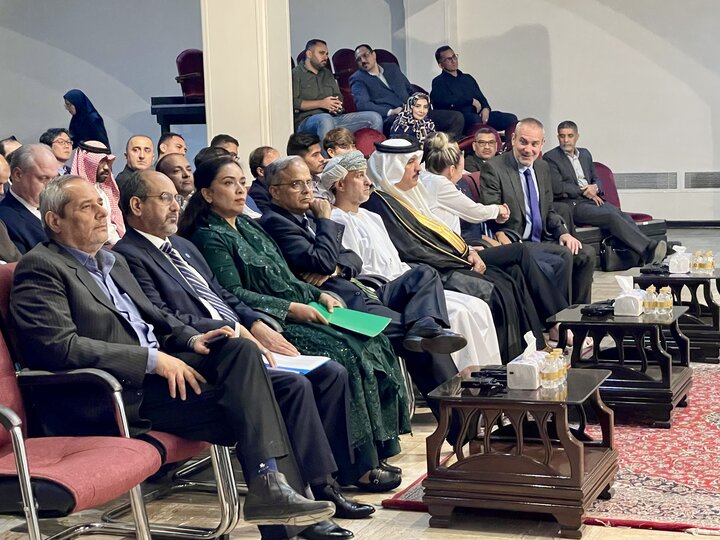
Pakistan’s ambassador to Iran, Imran Ahmed Siddiqui, could not attend the ceremony because he was accompanying a Pakistani delegation led by Field Marshal Asim Munir. His remarks were delivered by Ismat Hassan Sial, deputy head of mission at the Pakistani Embassy.
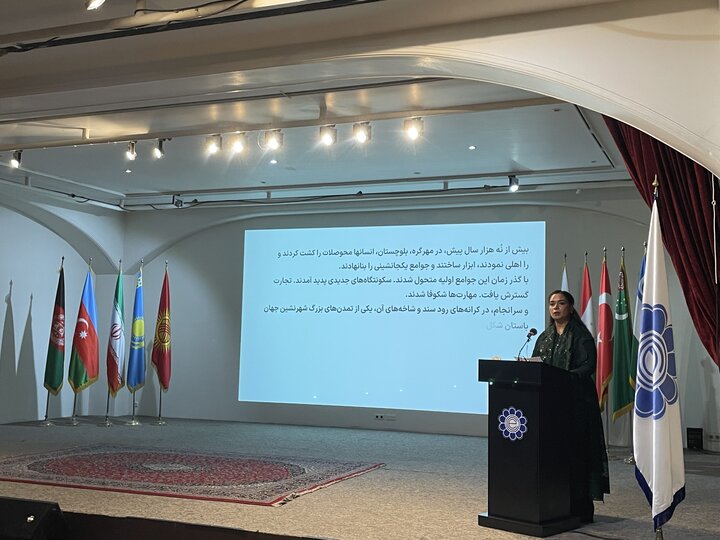
Some excerpts from the ambassador’s remarks follow:
“There are moments when history comes alive. It is no longer just in books or on screens. It is there in a piece of pottery, a carved stone, a sculpture, a manuscript, a line of calligraphy. Tonight, here in this exhibition, ‘Pakistan Through the Ages,’ we invite the audience to experience one such journey. A journey through time. But, more important, a journey of human connections.
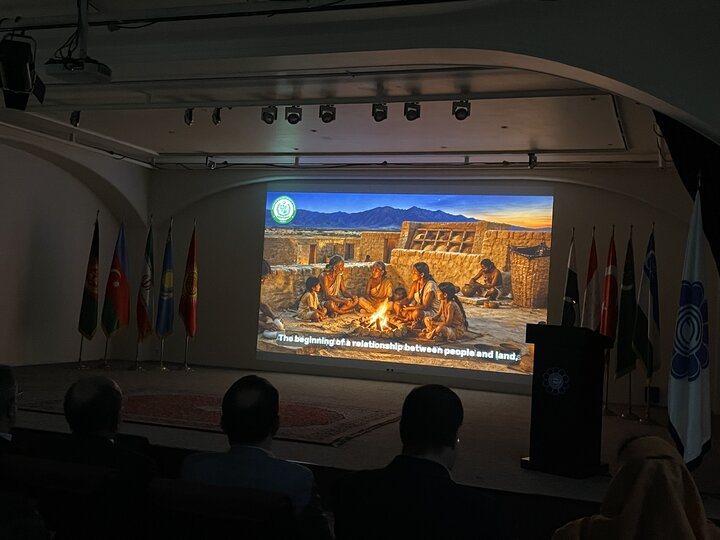
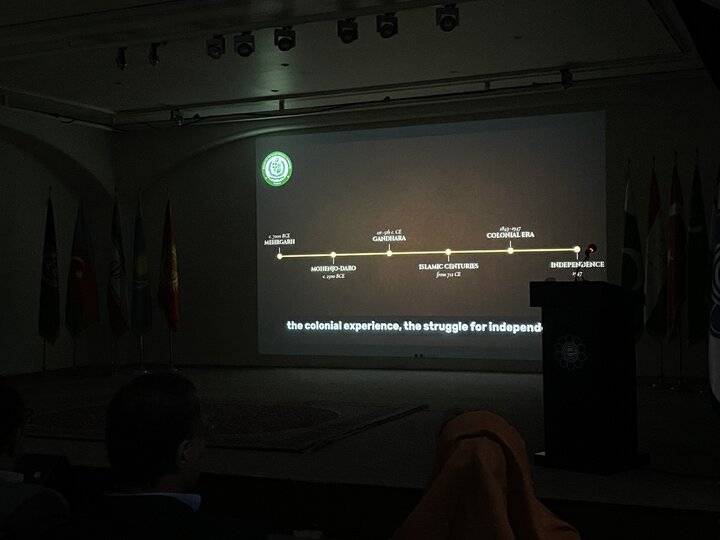
“Our story begins thousands of years before the creation of Pakistan. More than nine thousand years ago, in Mehrgarh, Balochistan, people demonstrated flora and fauna, made tools and built settled communities. Over time, these early communities evolved. New settlements emerged. Trade expanded. Skills developed.
“When Pakistan emerged as an independent country in 1947, it did not begin its story from zero. It carried all these centuries with it. Mehrgarh, the Indus Valley, Gandhara and a rich tradition of Islamic culture. Pakistan was new in its political form. But ancient in the civilizations that shaped it. That, for us, is what makes this exhibition so meaningful.
“Identity is not a single moment. It is a journey. A river that gathers many streams along the way. And every stream leaves something behind. For us this exhibition is an invitation to our friends to seek Pakistan through a wider lens. Not simply as a state. But as part of a culture whose story has, in so many ways, unfolded alongside the story of this ancient land.
“And perhaps this is its special power. Culture can do what politics sometimes cannot. It helps us discover what is shared. It helps us understand our common past and use it to imagine our future.
“So tonight, we celebrate more than the centuries that have passed. We celebrate the possibility of the centuries yet to come. Let us continue this conversation. Let us continue to discover each other. And let us continue building bridges through culture, knowledge and the human connections that have linked our people for centuries.
“History tells us where we came from. But culture gives us the confidence to imagine where we can go. Let’s embark on exploration of linkages awaiting us.”
Other speakers included Ambassador Muhammad Hassan, president of the ECO Cultural Institute; Anoushirvan Mohseni Bandpei, Iran’s deputy minister of cultural heritage, tourism and handicrafts for tourism affairs; and Gholam-Ali Haddad-Adel, president of the Saadi Foundation.
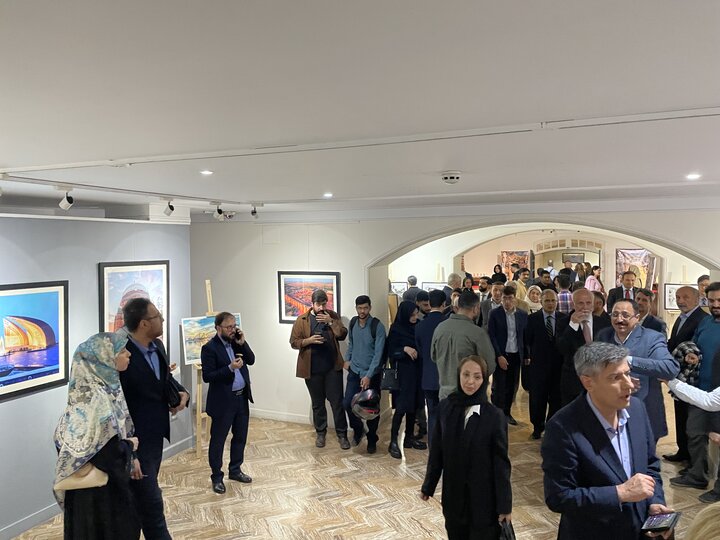
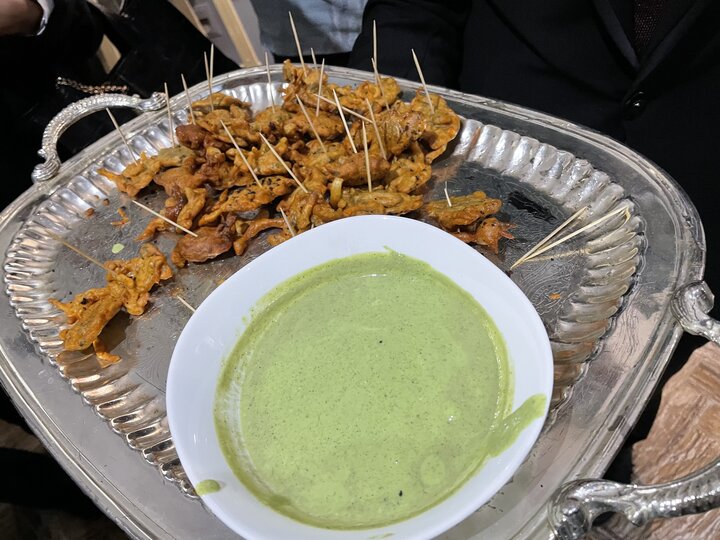
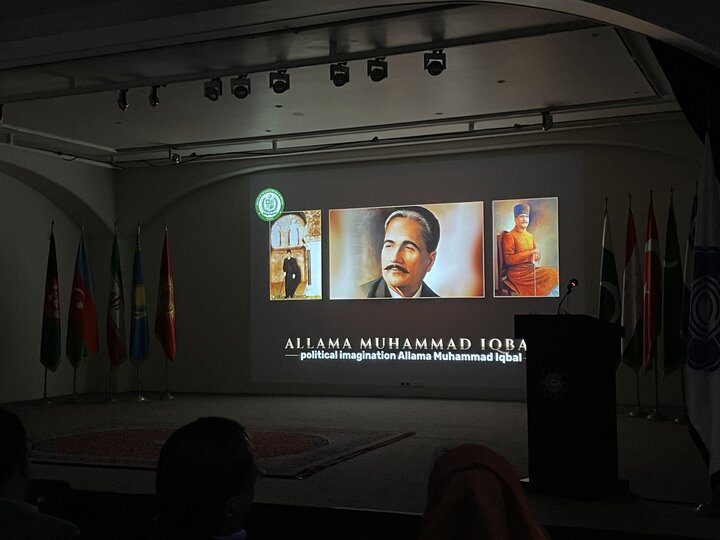
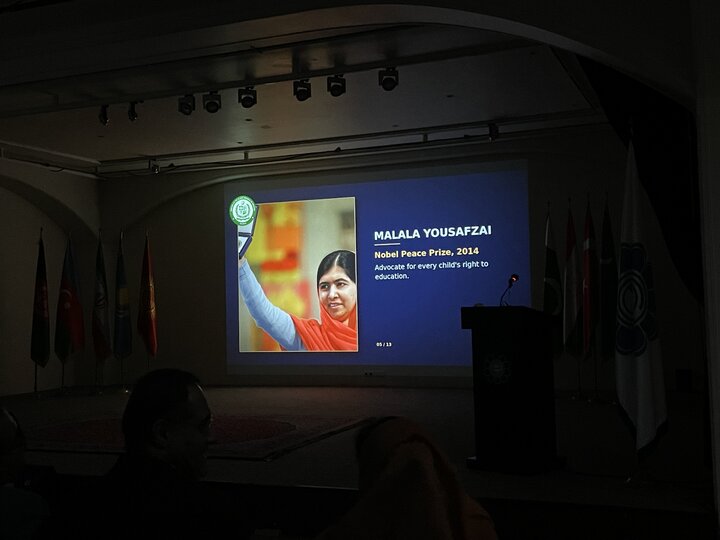
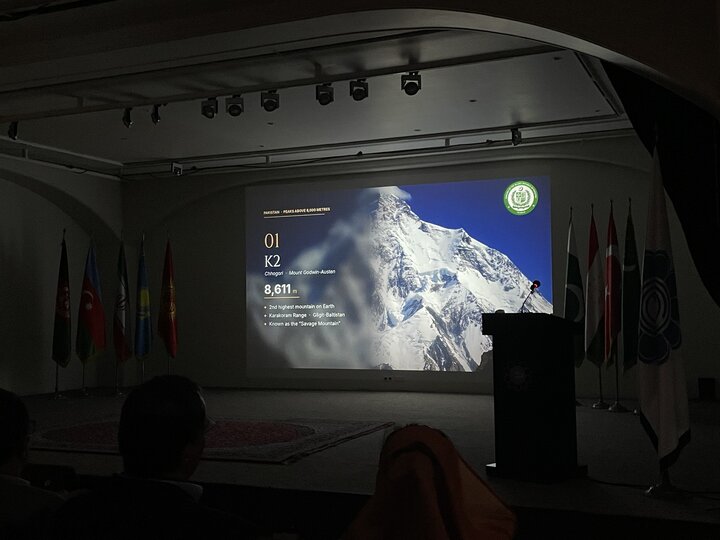
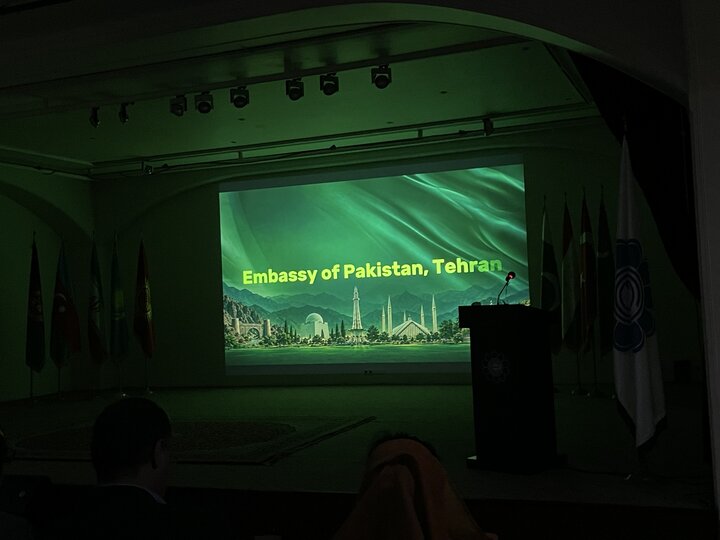
Following the speeches and a video screening on Pakistan’s history, the exhibition was officially inaugurated, and guests toured the exhibition while being served delicious Pakistani snacks.
The exhibition ultimately served as more than a retrospective: it was a cultural-diplomacy platform that connected historical memory with contemporary cooperation.
By pairing archival and artistic material with discussion of shared civilizational heritage, it underscored how Iran and Pakistan can build on centuries of exchange to expand cultural, academic and tourism ties.
As visitors left with a fuller picture of Pakistan’s past, the event also left a clear message: culture remains one of the most effective bridges between the two nations and the wider region.
Photos By Mahnaz Abdi/Tehran Times
Disclaimer : This story is auto aggregated by a computer programme and has not been created or edited by DOWNTHENEWS. Publisher: tehrantimes.com




