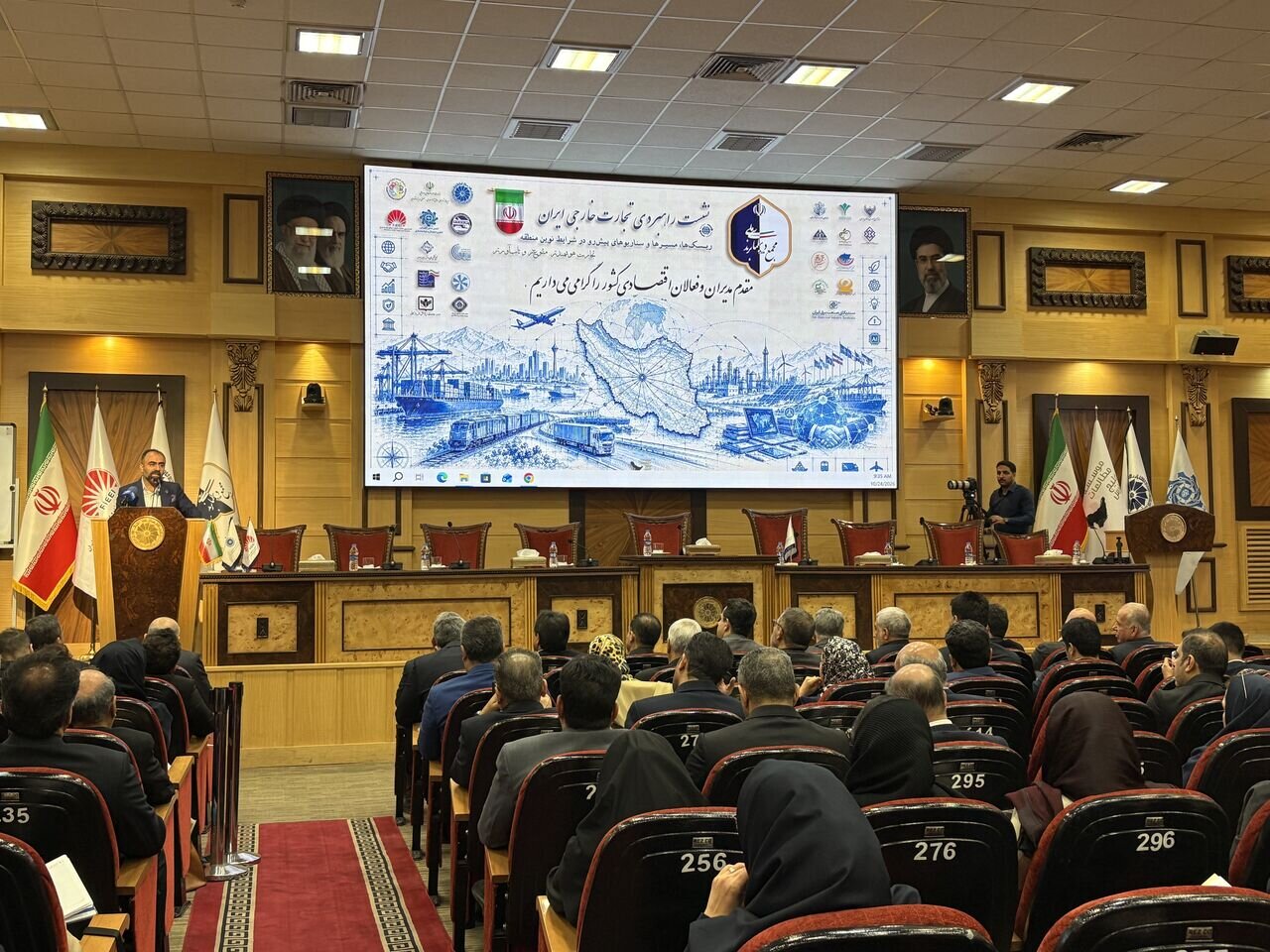
TEHRAN — Iran needs predictable economic policies, less bureaucracy, greater private-sector participation and the smarter use of technology to strengthen its foreign trade, the head of the Iranian Association of Digital Technology and Smart Systems Employers said.
Seifollah Niknami made the remarks at a strategic meeting on Iran’s foreign trade, emphasizing the need to coordinate national capabilities in technology, industry, energy, logistics and the private sector to improve production and trade.
“Technology must serve to solve real economic problems,” Niknami said, adding that the country’s domestic capabilities could become competitive advantages only if they were connected to one another and to global markets.
Producers cannot be expected to plan for the long term when the rules governing their activities may change abruptly through new directives, he said. Maintaining exporters’ credibility in international markets also requires reducing cumbersome procedures, improving coordination among digital systems and avoiding unpredictable policy decisions.
Sanctions and external restrictions pose serious challenges, Niknami said, but regulatory instability and unnecessary procedures should not impose additional risks on producers and exporters.
Regulatory stability is an intangible asset for production and exports, he said, noting that a shipment held up while awaiting an official inquiry or approval could affect not only delivery schedules but also a company’s working capital, contractual commitments and opportunities in target markets.
Niknami outlined four priorities for improving the business environment and strengthening the resilience of Iran’s foreign trade: stable and predictable regulations; eliminating unnecessary procedures and improving coordination among government agencies; risk-based, intelligent oversight; and effective participation by professional and employers’ associations in policymaking.
He said the impact of decisions affecting production and exports should be assessed before they are introduced, with businesses given a reasonable period to adapt where necessary.
Information required by authorized agencies should also be exchanged in a coordinated manner, subject to confidentiality requirements and legal limits on access, so that businesses do not bear the cost of inconsistencies among digital platforms and government bodies, he added.
Niknami said durable policies could not be developed without listening to producers, exporters and specialized industry associations. Such organizations should be involved from the earliest stages of consultation rather than informed only after decisions have been made.
Private-sector participation does not replace the government’s responsibilities, he said, but provides an expert basis for more accurate, realistic and effective policymaking.
Digital transformation must begin with process reform
Niknami said reforming existing procedures was a necessary prerequisite for digital transformation.
Smart systems do not begin with purchasing technology, but with identifying problems and improving processes, he said. Digitizing an inefficient or unnecessary procedure does not necessarily constitute progress, as it may simply transfer an existing obstacle to a computer screen.
Technology, data and innovation should instead help strengthen different parts of foreign trade by lowering costs, speeding up procedures, increasing transparency and improving decision-making, he added.
Five priorities for trade resilience
Niknami said the meeting had been organized around five specialist panels addressing the resilience of Iran’s foreign-trade logistics; resilient trade governance and diversification of markets and value chains; expanding trade through the Eurasian region; energy, infrastructure and technical and engineering services; and the use of technology, data and innovation to make foreign trade smarter.
The meeting should produce more than a discussion of existing problems, he said, adding that the specialist sessions were expected to identify priority obstacles, practical solutions, actionable proposals and measurable indicators of progress.
If international conditions have made trade more difficult, Iran should not further complicate production and exports through unstable decisions and cumbersome procedures, Niknami said.
Responding to difficult conditions requires sound policymaking, coordination and joint action, he added.
Niknami expressed hope that the meeting would help connect the country’s fragmented capabilities, simplify procedures, strengthen business confidence and increase private-sector participation in policymaking.
These efforts, he said, could improve Iran’s economic competitiveness, advance smart trade, support production and employment, and strengthen the reputation of Iranian brands in global markets.
EF/
Disclaimer : This story is auto aggregated by a computer programme and has not been created or edited by DOWNTHENEWS. Publisher: tehrantimes.com