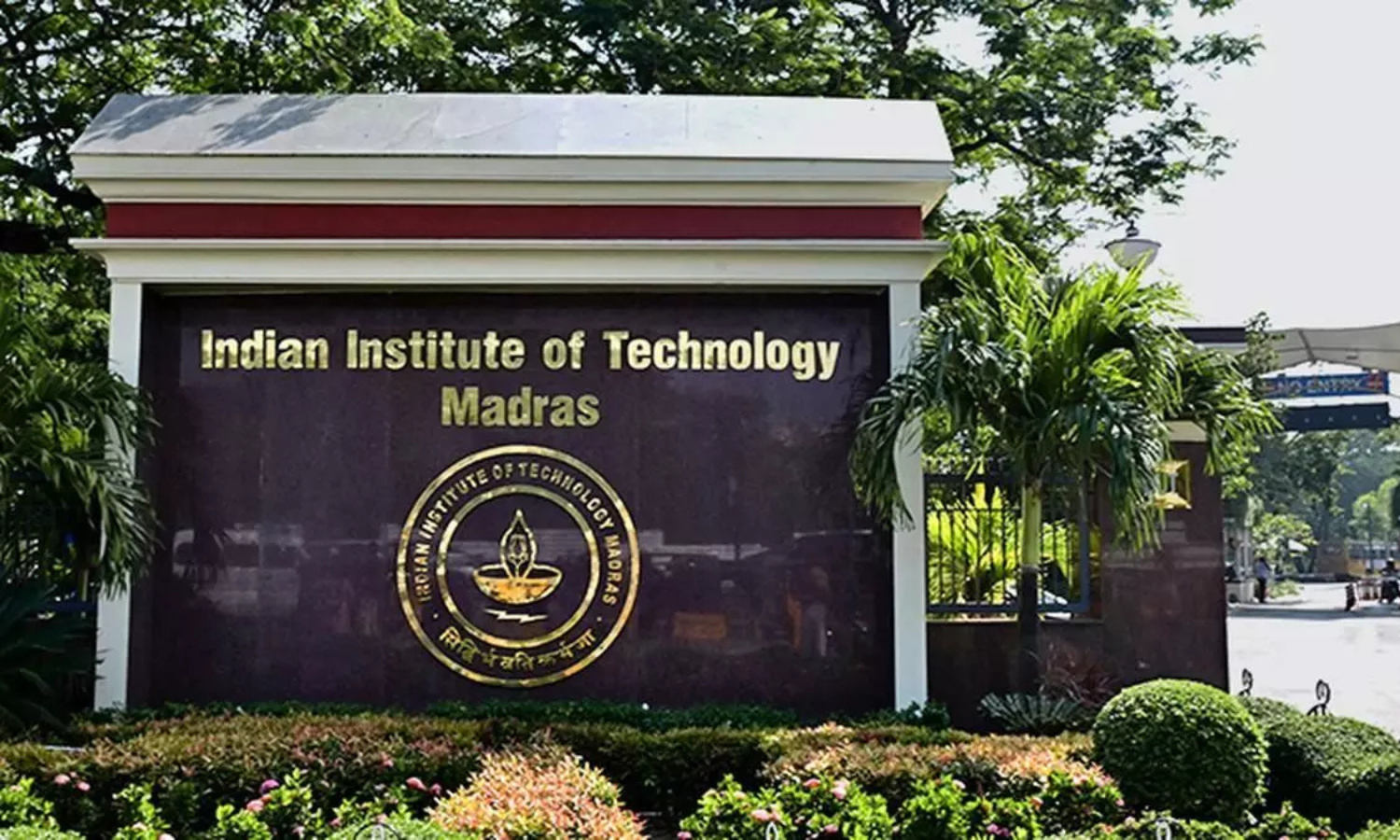
Chennai:Taking its research on sustainable water management to the grassroots-level, Indian Institute of Technology Madras (IIT-M) has implemented a drinking water and sustainable waste management project in Vallipuram panchayat of Chengalpet district, benefiting more than 350 people through interventions at local schools and a primary health centre (PHC).
The project, implemented under the institute’s Clean and Healthy Village Development Programme through AquaMAP, the Centre for Water Management and Policy at IIT-M, is aimed at improving access to drinking water, public health, hygiene and environmental sustainability in rural communities.
The initiative assumes significance as the PHC in Vallipuram serves not only the village but also residents from 14 surrounding villages, extending the reach of the drinking water intervention beyond the immediate panchayat.
Vallipuram itself has around 2,000 residents spread across four hamlets and six wards.
The institute will formally hand over the completed project at a function in Vallipuram on Wednesday. The event is expected to bring together funding partners, Chengalpet district officials, panchayat representatives and other stakeholders involved in the initiative.
The project is part of AquaMAP’s broader effort to develop practical and sustainable solutions to complex water-related challenges by combining research, innovative technologies and field-level implementation. The centre aims to evolve smart and optimal water management practices and demonstrate them through projects at different locations across the country, with the objective of developing models that can be replicated elsewhere.
Established in 2022, AquaMAP was conceived as a national centre for addressing water-related challenges through the application of advanced technologies and research undertaken at IIT-M.
AquaMAP’s approach focuses on developing technology-driven solutions that can be implemented in partnership with local communities, government agencies and other stakeholders. Rather than limiting its work to research and policy recommendations, the centre seeks to demonstrate the effectiveness of these solutions through field projects and develop successful case studies for wider adoption.
Its areas of intervention include sustainable water management, wastewater management and clean water technologies, with particular attention to essential community infrastructure such as schools, anganwadis, libraries and healthcare facilities.
One of AquaMAP’s principal objectives is to develop smart water management practices that can address complex water problems through innovative technologies. It also aims to document successful field interventions and develop case studies that can be scaled up in other parts of the country.
The Vallipuram project provides an example of how such institutional research and development initiatives can be extended to local communities through interventions in essential public infrastructure.
With water security, sanitation and waste management remaining important challenges in rural areas, the success of such initiatives will depend on the long-term functioning and maintenance of the facilities, besides the ability to replicate the model in other villages.
Disclaimer : This story is auto aggregated by a computer programme and has not been created or edited by DOWNTHENEWS. Publisher: deccanchronicle.com