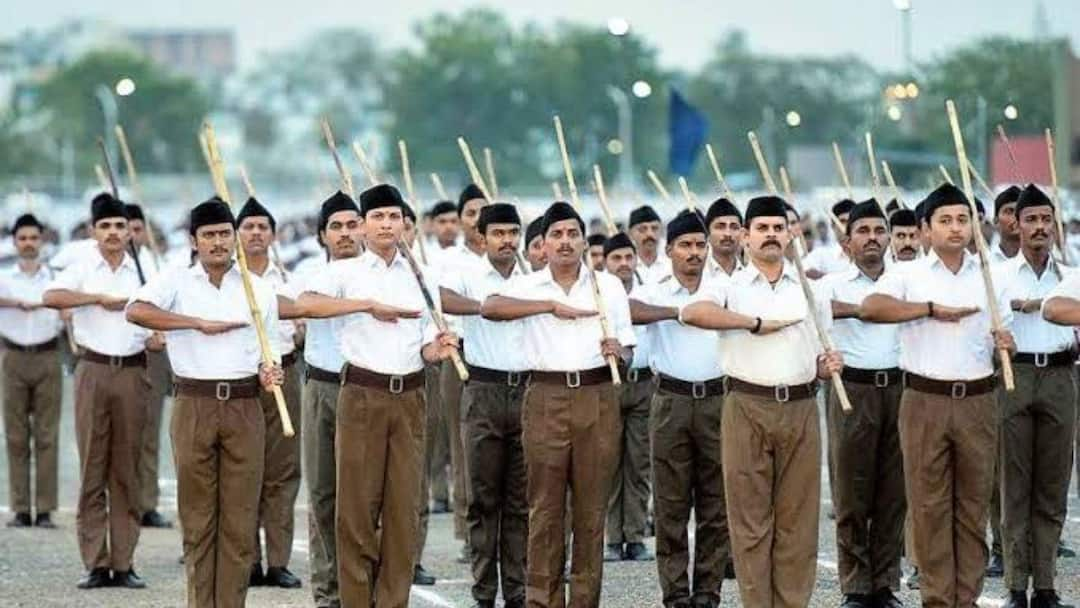
- RSS plans major restructuring, reducing regions, increasing divisions.
- State-level units introduced; Pratinidhi Sabha meetings become triennial.
- Changes aim for decentralization, efficiency, strengthening grassroots coordination.
The Rashtriya Swayamsevak Sangh (RSS) is preparing for major changes to its organisational structure following a meeting of its Akhil Bharatiya Karyakari Mandal (All India Executive Council). Under the proposed restructuring, the Sangh will reduce the number of its regions from 11 to nine, while replacing its existing 46 provinces with approximately 90 divisions. For the first time, a state-level unit will also be incorporated into the RSS’s organisational framework.
State-Level Unit To Be Introduced
Under the proposed changes, the state-level unit will have only two designated office-bearers: the state pracharak and the state karyavah. The position of state sanghchalak will not be part of this unit.
Until now, the RSS’s organisational structure did not provide for a separate state-level unit. The proposed arrangement will introduce a new layer of organisational coordination at the state level.
Pratinidhi Sabha Meetings May Be Held Once Every Three Years
The RSS is also planning to change the schedule of its Pratinidhi Sabha meetings. The annual meeting is proposed to be held once every three years instead, with Nagpur serving as the venue.
Following the restructuring, the number of members participating in the Pratinidhi Sabha is expected to nearly double, reaching approximately 2,500.
Meanwhile, meetings at the regional level will be organised once every two years.
ALSO READ: Sanjay Raut Asked To Appear Before Supreme Court On Nov 17 In Contempt Case Over Remarks Against CJI
Decentralisation Among Key Objectives
The primary objective of the proposed changes is to decentralise the organisation’s functioning and improve the efficiency of its operations.
Increasing the number of divisions by reorganising the existing provinces is expected to enable a better distribution of organisational responsibilities and strengthen coordination at the grassroots level.
Through the restructuring, the RSS aims to streamline its organisational expansion and improve its working mechanisms. Once implemented, the changes will establish a new framework for organisational coordination at the state level, alongside the existing regional and provincial arrangements.
Disclaimer : This story is auto aggregated by a computer programme and has not been created or edited by DOWNTHENEWS. Publisher: abplive.com