
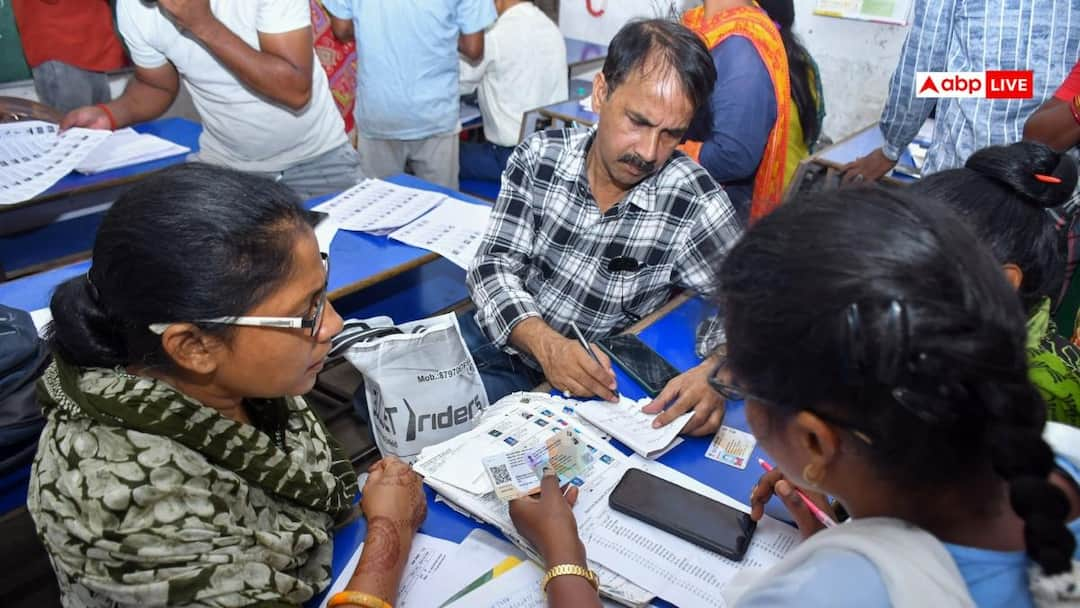
- Electoral revision identifies 1,600 foreign nationals in six states.
- Karnataka, Kerala, Goa reported most foreign national detections.
- Many states lack data; ECI did not compile national figures.
The Special Intensive Revision (SIR) of electoral rolls has identified around 1,600 suspected foreign nationals across at least six states where the exercise has been completed or is under way, a Hindustan Times report said. The figure remains small compared with the scale of voter deletions and the size of the electorate in these states, which stands at 98.6 million.
When the Election Commission of India (ECI) announced the SIR exercise in Bihar last year, it cited the “inclusion of the names of foreign illegal immigrants” among its motivations. However, the numbers reported so far suggest that the detection of suspected foreign nationals has been limited in the states that provided figures.
The findings also highlight gaps in data collection, with several state election offices saying they did not maintain separate records of suspected foreign nationals found on electoral rolls. The ECI, meanwhile, said it had neither sought such data from states nor compiled a consolidated count.
Karnataka Reports 716 Suspected Foreign Nationals
Karnataka has identified 716 foreign nationals for removal from electoral rolls, including 545 Nepalese citizens in Bengaluru North, an official from the state Chief Electoral Officer’s office told Hindustan Times. The state’s SIR exercise resulted in the deletion of 9.97 million names from the final electoral rolls.
On Tuesday, Karnataka Chief Electoral Officer V Anbukkumar confirmed that foreign nationals had been detected during the revision. “Yes, we have detected foreigners. Their number is definitely less than 1,000,” he told reporters.
District-level figures showed further detections across the state. In Dakshina Kannada, officials identified 40 foreign nationals, including 17 from Nepal, six each from Australia and the United States, five from Canada, two from Britain, and one each from the Netherlands, South Africa, Ireland and Norway.
Uttara Kannada reported 22 cases involving citizens of Nepal, Pakistan, the United States and Bangladesh. In Udupi, 47 foreign nationals from countries including Nepal, the United States, Britain, France and Canada were detected, district election officer TK Swaroopa told reporters.
An official familiar with the exercise said some individuals who possessed voter identity cards could not provide other documents, including school certificates and property records, during verification.
Kerala And Goa Report Hundreds Of Cases
Kerala reported around 500 people holding foreign citizenship who remained on electoral rolls, according to a senior official in the state Chief Electoral Officer’s office. The state’s final roll, published on February 21, contained 26.95 million names, following the deletion of 897,211 names.
Goa reported 419 suspected foreign passport holders, Chief Electoral Officer Sanjay Goel said. Its final electoral roll, also published on February 21, contained 1.06 million names, marking a reduction of 127,468 from the earlier roll.
The figures from the two states account for a substantial share of the suspected foreign nationals identified in the states that reported their numbers. However, the available data does not provide a complete picture of detections across all states where the revision has been conducted.
Jharkhand, Meghalaya Report Few Cases
In Jharkhand, officials identified three foreign nationals, all from Afghanistan, a state Chief Electoral Officer’s office official said. The draft electoral roll was published on August 5, while the final roll is scheduled to be released on November 30.
The draft roll contained 22.1 million names, down by around 4.36 million from the pre-SIR electorate of 26.46 million.
Meghalaya reported two men of Nepalese origin who were found on the electoral rolls in Mawsynram, East Khasi Hills. Both were married to Indian women, state Chief Electoral Officer BDR Tiwari said.
“We found two Nepalese men on the rolls. They were immediately removed and the matter has been referred to the home department,” Tiwari said. Meghalaya’s final roll, published on October 26, contained 2.18 million names, following the deletion of 165,682 names.
Mizoram reported no such cases. Its final electoral roll, published on September 7, contained 835,000 names, around 39,000 fewer than before the revision. Chief Electoral Officer Garima Gupta said the draft roll showed no evidence of foreign nationals being enrolled.
Several States Did Not Maintain Separate Data
Hindustan Times said its reporters spoke to officials from 11 of the 26 states and Union Territories where the SIR had been completed or draft electoral rolls had been published. Of these, six provided figures for suspected foreign nationals, four said they did not maintain the data, and Odisha confirmed finding such cases without recording a count.
An Odisha state official said, “We did find suspected foreign nationals on the rolls but didn’t keep any figures.”
Officials in Punjab, Delhi, Uttarakhand and Telangana also said they did not maintain separate records of suspected foreign nationals identified during the revision. Punjab Chief Electoral Officer Anindita Mitra said the state categorised electors under the ASDD categories but did not collect this information separately.
Uttarakhand Chief Electoral Officer BVRC Purushottam questioned whether collecting such data fell within the responsibilities of election officials. “How could we collect this data? This is beyond the scope of election officials,” he said.
In Delhi, a senior official in the Chief Electoral Officer’s office said no such information had been received from district election officers. “At this stage, we don’t have this data,” the official said.
ECI Says It Did Not Seek State-Wise Figures
The Election Commission said it had not instructed states to collect separate data on suspected foreign nationals detected during the SIR exercise. As a result, it does not have consolidated or state-wise figures for such cases.
“States were not asked to collect this data separately. We also don’t have combined or state-wise data on this. If any such cases came up, they were placed under the ‘Others’ category in ASDDO. But ECI has not asked them to provide these details,” a senior ECI official said.
The absence of a centralised count means the reported figures represent only the cases identified by states that maintained or shared such information. With the revision involving millions of deletions, the available data on suspected foreign nationals remains limited and incomplete.
Disclaimer : This story is auto aggregated by a computer programme and has not been created or edited by DOWNTHENEWS. Publisher: abplive.com




