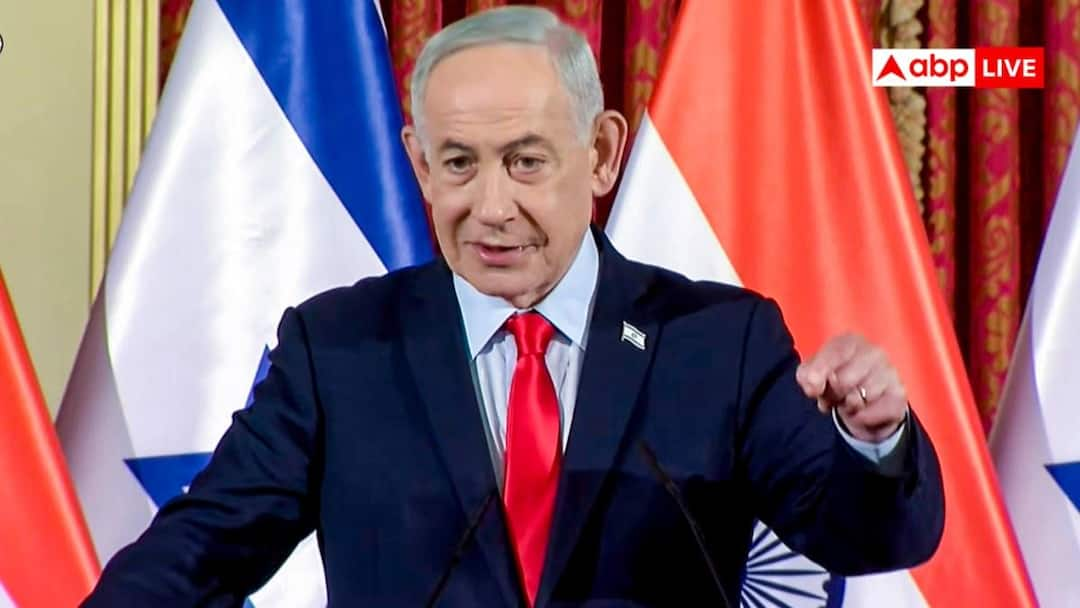
Israeli Prime Minister Benjamin Netanyahu and his main challenger, former military chief Gadi Eisenkot, are likely to need support from parties outside their respective blocs to form the next government, as neither has secured the 61 seats required for a parliamentary majority.
The outcome of negotiations over the coming weeks could determine whether either camp can assemble a governing coalition or whether Israel heads towards another election. The ability of the two leaders to secure support from smaller parties will be crucial to the government formation process.
Netanyahu And Eisenkot Face Coalition Challenge
With both camps short of the majority threshold, coalition negotiations are expected to play a decisive role in determining Israel’s political future.
Netanyahu and Eisenkot will need to explore possible alliances beyond their existing political blocs to secure the numbers required to govern. The agreements they reach, and the support they manage to attract, could shape the composition of the next government.
If neither side succeeds in building a majority, the country could face another election.
Joint List Secures 19th Seat As Ra’am Falls Short
The Joint List has secured its 19th seat, while Ra’am remains approximately 1,200 votes short of claiming the seat, according to the latest official figures cited by The Times of Israel.
The figures, reported as of 5:57 am, indicate that the seat will go to the Joint List under the surplus-vote agreement signed by the two parties.
The agreement determines how surplus votes are allocated between participating parties, potentially affecting the final distribution of parliamentary seats.
Seat Count Could Influence Government Formation
The latest allocation adds another factor to the coalition-building process, as parties assess their options following the election.
With neither Netanyahu’s bloc nor Eisenkot’s camp reaching the 61-seat majority mark, the distribution of seats among smaller parties could prove significant in determining which side can form a government.
The coming weeks are expected to focus on negotiations and potential political agreements, with the final outcome determining whether Israel gets a new government or returns to the polls.
Disclaimer : This story is auto aggregated by a computer programme and has not been created or edited by DOWNTHENEWS. Publisher: abplive.com