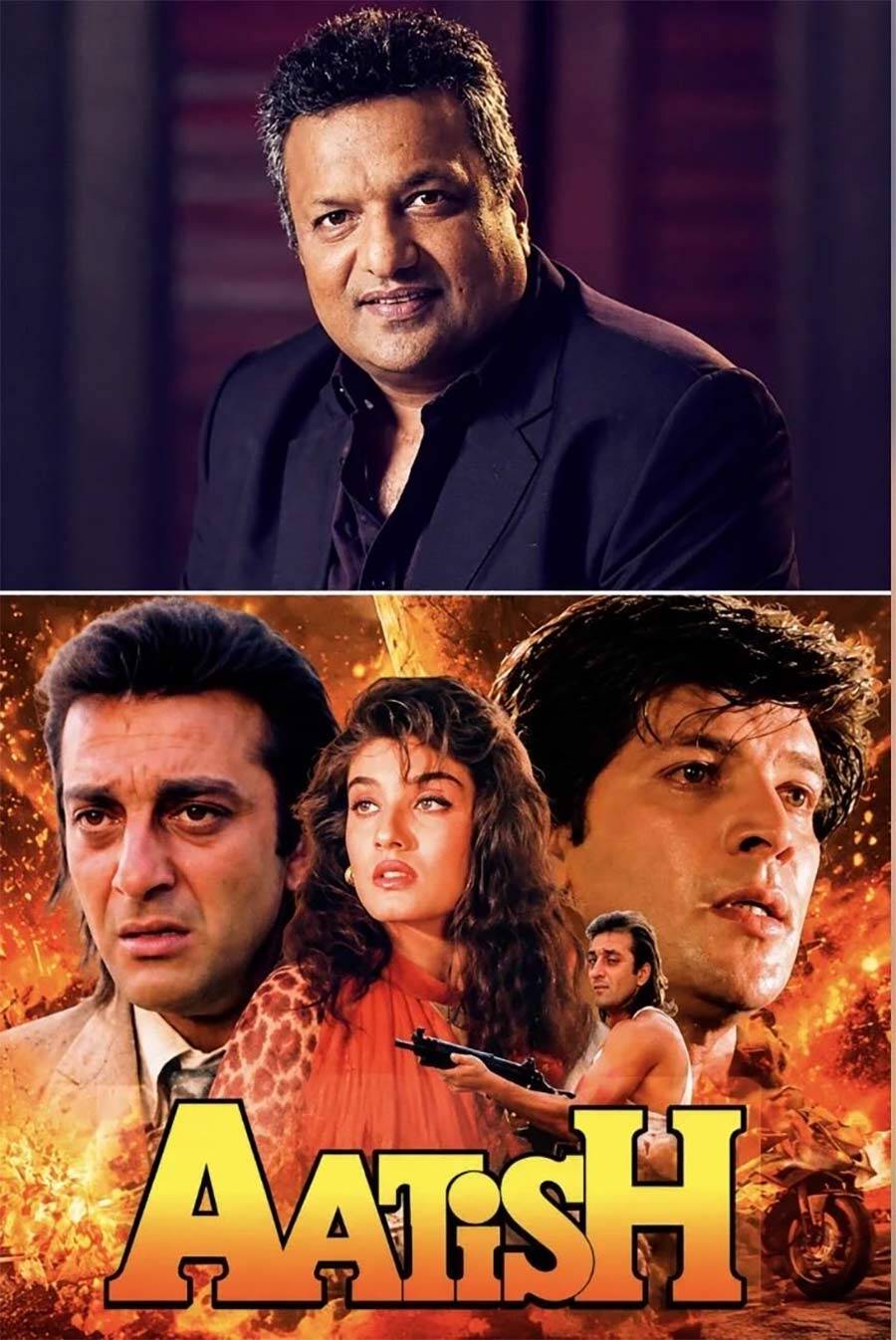
Sanjay Gupta was a filmmaker who wore his Hollywood influences on his sleeve and never particularly felt the need to apologise for them. He loved the movies, the swagger, the violence, the music and the larger-than-life characters. If his films occasionally resembled something we had seen before, they rarely looked or sounded ordinary. Gupta had an unmistakable sense of style, a fascination with crime and a weakness for assembling formidable ensembles. He was, in many ways, Bollywood’s own Hollywood obsessive.
Gupta’s tryst with cinema began remarkably early. He started working in post-production and sound when he was barely 15, learning the technical aspects of filmmaking before graduating to direction. Having assisted Pankaj Parashar on projects such as Karamchand and Jalwa, he made his directorial debut with Aatish: Feel The Fire (1994). Starring Sanjay Dutt, Aditya Pancholi, Raveena Tandon and Karisma Kapoor, it announced his arrival as a filmmaker drawn to the criminal underbelly, troubled friendships and combustible male relationships.
Hollywood, however, remained his great cinematic obsession. He devoured American crime dramas and thrillers, while also drawing inspiration from Hong Kong action cinema and Korean revenge dramas. His admiration for Quentin Tarantino was particularly evident in Kaante (2002), the film that would become his signature work. Bringing together Amitabh Bachchan, Sanjay Dutt, Suniel Shetty, Mahesh Manjrekar, Lucky Ali and Kumar Gaurav, it was an audacious multistarrer about six Indian criminals plotting a bank robbery in Los Angeles. Its similarities to Tarantino’s Reservoir Dogs became a talking point, with Gupta repeatedly defending his interpretation of the material. He maintained that he had created a larger narrative, drawing from several international films rather than simply remaking one. Even Tarantino reportedly admired the effort, praising Gupta got providing back stories to the characters.
Originality may have remained a contentious issue throughout his career, but Gupta’s visual personality was never in doubt. He liked his frames dark, his lighting dramatic, his action explosive and his characters dressed to kill. He had an instinct for atmosphere, whether it was the neon-soaked world of Musafir (2004), the claustrophobic tension of Zinda (2006) or the gun-toting bravado of Shootout at Wadala (2013). His films were unmistakably urban, often nocturnal and populated by men who preferred settling scores to having conversations. Even when the storytelling faltered, the frames retained their swagger.
He also had an enviable appetite for multistarrers. Gupta understood the excitement of bringing together actors with contrasting screen personas and allowing them to share the same cinematic space. Amitabh Bachchan and Sanjay Dutt, Anil Kapoor and Sanjay Dutt, John Abraham and Manoj Bajpayee, Hrithik Roshan and Yami Gautam: he enjoyed creating combinations that promised fireworks. His association with Sanjay Dutt was particularly significant. The two had met during the making of Thanedaar and developed a friendship that eventually led to the formation of White Feather Films in 2001. Kaante became the company’s defining production, although their relationship subsequently went through a difficult phase.
Gupta’s fascination with the Mumbai underworld found its most enduring expression in the Shootout films. While he produced Apoorva Lakhia’s Shootout at Lokhandwala (2007), he directed Shootout at Wadala, based on the killing of gangster Manya Surve. He was intrigued by the intersection of crime, politics, policing and the changing identity of Mumbai. Mumbai Saga (2021), with John Abraham and Emraan Hashmi, returned to this familiar territory, tracing the city’s transformation through the rise of organised crime.
But Gupta was not entirely imprisoned by his gangster-film persona. Jazbaa (2015), starring Aishwarya Rai Bachchan and Irrfan Khan, was a legal thriller, while Kaabil (2017), featuring Hrithik Roshan and Yami Gautam, demonstrated his ability to handle a more emotionally driven revenge drama. In his later years, he ventured into streaming with Visfot (2024), while The Miranda Brothers, released the same year, saw him explore the world of football and family drama.
There was always a certain contradiction about Gupta. He could be criticised for borrowing from international cinema, yet he possessed a visual grammar that was distinctly his own. He was sometimes more interested in the look of a film than the rigour of its screenplay, and his penchant for macho posturing could occasionally overwhelm the characters. But he brought an infectious enthusiasm to filmmaking and never seemed embarrassed about loving cinema in all its excesses.
In one of his final interviews, Gupta spoke about artificial intelligence and its potential to transform filmmaking. He was also preparing to embark on another project. That he remained curious about the possibilities of cinema, even after decades in the business, was perhaps his most endearing quality.
Sanjay Gupta died on October 30, 2026, following an accidental fall at his Mumbai residence. He was 57, according to several reports, although some accounts cited a different age.
He leaves behind a filmography that was uneven but rarely anonymous. He may not always have told original stories, but he knew how to dress them up, assemble a star cast and make an entrance. In an industry that often plays safe, Gupta was unapologetically flamboyant. The stories may have been borrowed, but the swagger was unmistakably his.
SANJAY GUPTA’S 10 BEST FILMS
Aatish: Feel The Fire (1994)
His directorial debut established his fascination with gangsters, brotherhood and violent loyalties. Sanjay Dutt and Aditya Pancholi brought considerable intensity to this action drama.
Hameshaa (1997)
A romantic thriller starring Saif Ali Khan, Kajol and Aditya Pancholi, it revealed an early willingness to experiment with reincarnation, obsession and suspense.
Kaante (2002)
His most defining film, this ambitious ensemble brought Amitabh Bachchan, Sanjay Dutt and Suniel Shetty together for a stylish heist drama. Its Hollywood influences were unmistakable, but its casting and character dynamics gave it a distinct identity.
Musafir (2004)
A heady cocktail of crime, music, sex and violence, featuring Anil Kapoor, Sanjay Dutt and Sameera Reddy. It remains one of his most visually flamboyant and adventurous films.
Zinda (2006)
An unofficial adaptation of the Korean cult film Oldboy, starring Sanjay Dutt and John Abraham. Dark, disturbing and driven by revenge, it showcased Gupta’s attraction to unconventional international material.
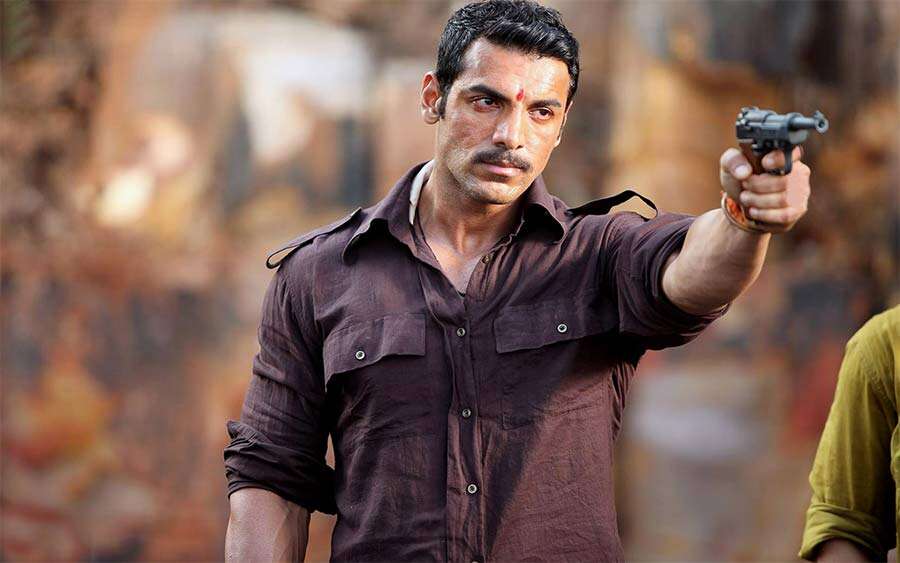
Shootout at Wadala (2013)
Based on gangster Manya Surve’s encounter killing, the film brought together John Abraham, Anil Kapoor, Manoj Bajpayee and Sonu Sood. It was Gupta returning to the Mumbai underworld with characteristic swagger.
Jazbaa (2015)
Aishwarya Rai Bachchan and Irrfan Khan headlined this tense legal thriller about a mother forced into defending a criminal to save her kidnapped daughter. A welcome departure from his familiar gangster territory.
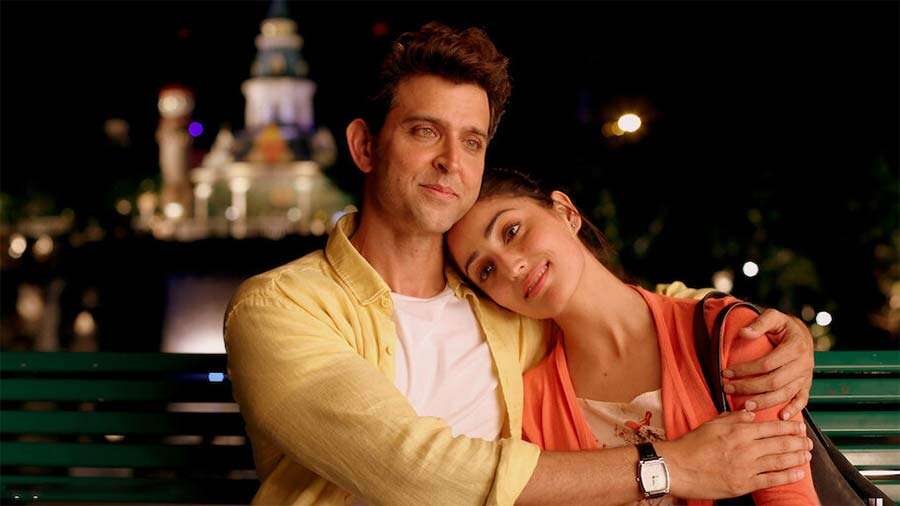 Kaabil (2017)
Starring Hrithik Roshan and Yami Gautam, this revenge drama demonstrated that Gupta could marry his flair for stylised action with emotional storytelling. It was also a major commercial success.
Mumbai Saga (2021)
John Abraham and Emraan Hashmi led this period gangster drama about Bombay’s transformation and the rise of its criminal empires. It brought Gupta back to the cinematic territory he knew best.
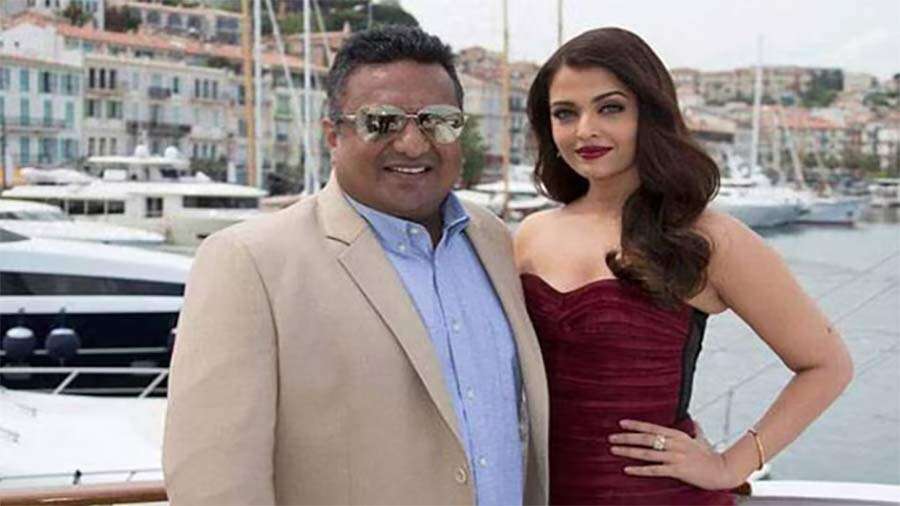
Visfot (2024)
Starring Riteish Deshmukh and Fardeen Khan, this crime thriller marked his OTT directorial debut. Its interwoven stories and escalating tension offered another glimpse of his enduring fascination with crime narratives.
Also Read: Goodbye, gentle giant
Disclaimer : This story is auto aggregated by a computer programme and has not been created or edited by DOWNTHENEWS. Publisher: filmfare.com