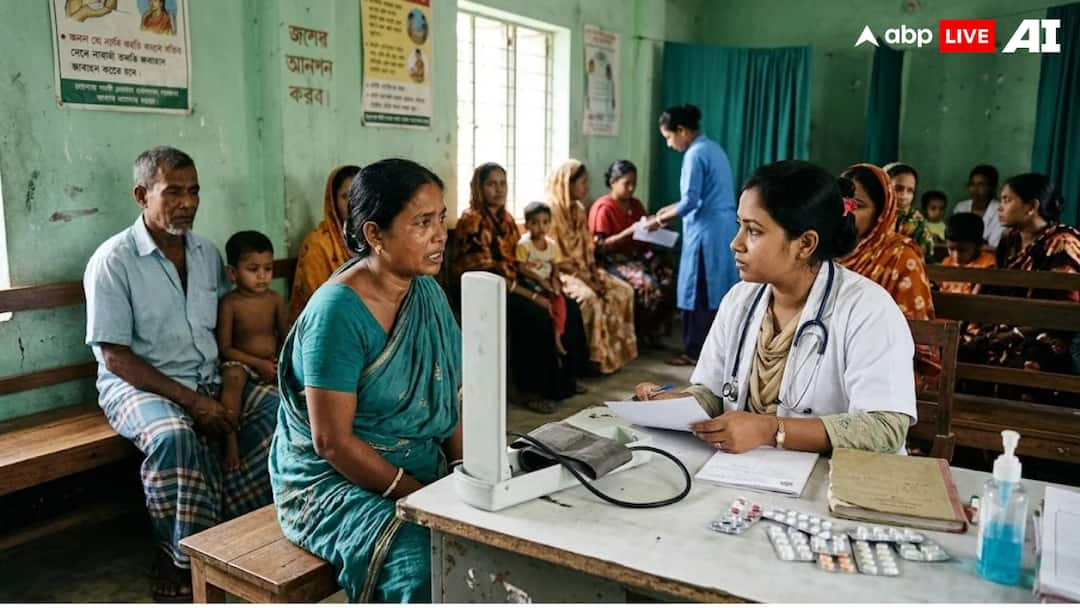
- Millions in Bangladesh struggle with costly basic healthcare.
- WHO report details inequality, high out-of-pocket expenses.
- Poverty, location limit access to crucial medical services.
- Affordable treatment, strengthened local facilities remain essential.
Millions of people in Bangladesh continue to struggle to afford basic healthcare, with the cost of routine medical tests, essential medicines and hospital visits placing considerable pressure on household budgets. A new World Health Organisation (WHO) report highlights how income, education and geographical location can influence people’s access to healthcare, leaving disadvantaged communities at a greater risk of serious illnesses and inadequate treatment.
According to a report by Dhaka-based The Daily Star, the findings underline the growing healthcare inequalities within the country, where financial difficulties often prevent people from receiving timely medical attention.
ALSO READ: Common Gut Bacterium May Fuel Colon Cancer, But Scientists Find A Way To Block Its Toxin
Poverty And High Medical Costs Worsen Healthcare Inequality
The WHO report, published on October 20, examines healthcare inequalities across countries and highlights how economically disadvantaged communities face greater risks from conditions such as heart disease, cancer, diabetes and chronic respiratory illnesses.
In Bangladesh, non-communicable diseases, including diabetes, cancer and heart disease, account for approximately 71 per cent of all deaths. Meanwhile, patients bear 79.31 per cent of healthcare expenses through out-of-pocket payments, according to World Bank figures cited in the report.
The findings also highlight the difficulties faced by people from poorer households in accessing basic medical services. Rural communities may have fewer opportunities to undergo blood pressure checks and receive treatment, while women from disadvantaged backgrounds are less likely to access cervical cancer screening.
ALSO READ: Does Excessive Screen Time Increase Stroke Risk? Know How It Affects Your Health
Affordable Treatment And Better Healthcare Access Remain Crucial
The report shows that encouraging people to eat healthily, exercise regularly and visit doctors is not enough when poverty and limited healthcare facilities prevent them from following such advice.
Experts stress that disease prevention must go hand in hand with affordable and consistent treatment. For Bangladesh, this includes improving access to blood pressure and diabetes screening, ensuring the availability of essential medicines and strengthening healthcare facilities within local communities.
Financial protection is another major concern. Families should not have to compromise on food, education or other household essentials to afford medical treatment.
The report also emphasises the need for health authorities to look beyond national averages and identify communities that continue to face barriers to healthcare.
Ultimately, Bangladesh’s healthcare progress should not be measured solely by the number of hospitals built or awareness campaigns conducted. Ensuring that every person, regardless of income, education or location, has an equal opportunity to access quality healthcare remains essential, the report added.
(With inputs from IANS)
Check out below Health Tools-
Calculate Your Body Mass Index ( BMI )
Calculate The Age Through Age Calculator
Disclaimer : This story is auto aggregated by a computer programme and has not been created or edited by DOWNTHENEWS. Publisher: abplive.com