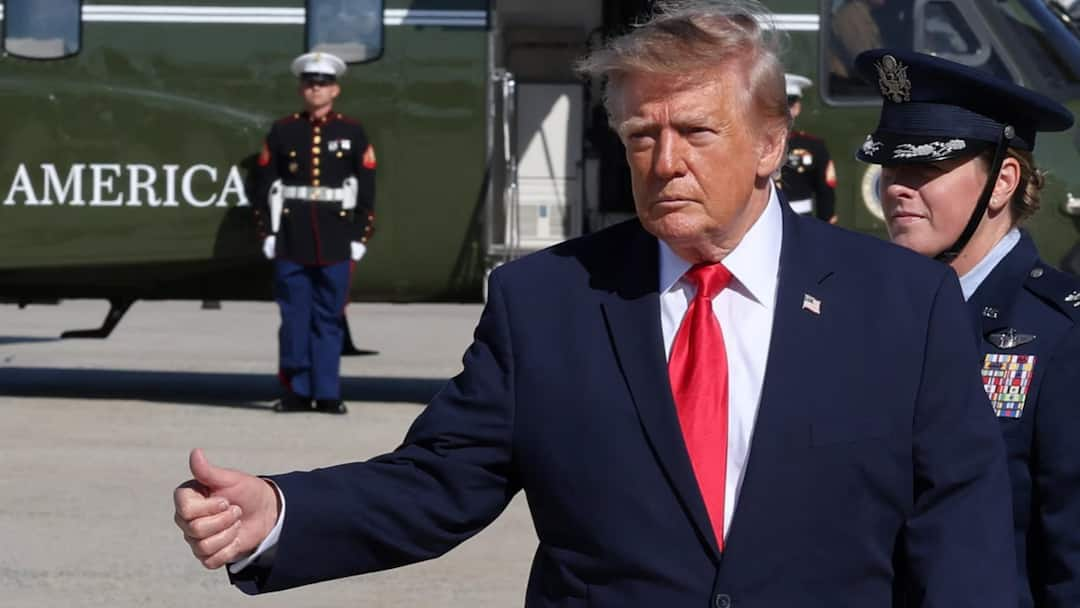
The United States is preparing for a crucial electoral contest that could reshape the balance of power in Washington and influence the final two years of President Donald Trump’s current term. The 2026 midterm elections will determine who controls both chambers of Congress, with millions of voters set to decide the fate of hundreds of legislative seats across the country.
The elections are taking place amid concerns over alleged attempts to influence the electoral process, disputes over voting rules and internal divisions within political parties. While the outcome will decide the composition of Congress, it will also be widely viewed as a verdict on Trump’s presidency and the performance of his administration.
For the opposition Democratic Party, the midterms present an opportunity to regain legislative control and challenge the Republican administration. A change in the balance of power could also have implications for the political landscape ahead of the 2028 presidential election.
Here’s an explainer on how the US midterm elections work, how many seats are at stake and what the results could mean for Trump and the Democrats.
What Are US Midterm Elections And Why Are They Important?
Midterm elections are held halfway through a US president’s four-year term. Unlike presidential elections, in which Americans choose their head of state, midterms determine the composition of Congress and several state-level positions.
The US Congress is the country’s federal legislature and has two chambers: the House of Representatives and the Senate. Its members play a central role in passing laws, approving government spending and scrutinising the executive branch.
In the 2026 midterms, voters will elect all 435 members of the House of Representatives and 35 of the Senate’s 100 members. Elections for governors will also take place in 36 states, with the winners serving four-year terms.
The Republican Party, also known as the Grand Old Party (GOP), currently controls both chambers of Congress, although its majorities are narrow. The elections will determine whether Republicans can retain that advantage or Democrats can take control of one or both chambers.
Midterm elections are particularly significant because the party occupying the White House has historically tended to lose congressional seats during this contest. This pattern makes the elections an important opportunity for the opposition to gain ground.
For Trump, the outcome could determine how easily he can push his legislative priorities through Congress. If Democrats secure a majority in either chamber, they could make it considerably harder for the administration to implement its agenda.
How Many Seats Do Democrats Need To Win?
The battle for the House of Representatives is expected to be closely fought, with Democrats needing a net gain of three seats to secure a majority.
Although all 435 seats are being contested, only around 40 races are considered competitive. This means the outcome in a relatively small number of constituencies could decide which party controls the lower chamber.
The Senate presents a more challenging contest for Democrats. The chamber has 100 members, with 35 seats up for election this year. However, only around 12 of these contests are considered competitive, while the remaining seats are in states that traditionally favour one party.
Republicans currently hold 53 Senate seats, while Democrats and independents together account for 47.
Democrats need to gain four seats to secure a 51-seat majority. Republicans, meanwhile, can afford to lose up to three seats and still retain control with 50 members.
The vice-president holds the deciding vote in the event of a 50-50 tie in the Senate. Since Republican JD Vance currently occupies the office, Republicans would retain an advantage even if the chamber is evenly divided.
This makes the Senate contest a tougher challenge for Democrats compared with their bid to take control of the House.
Can Democrats Take Back The House?
Democrats have a realistic chance of regaining control of the House, with analysts and prediction markets currently indicating that the party is favoured to win the chamber.
A Democratic majority would significantly alter the political dynamics in Washington. While Trump would remain president, his ability to pass legislation and advance key policy proposals could face greater resistance.
Control of the House would also give Democrats greater authority to scrutinise the administration. The party could initiate investigations, issue subpoenas and summon officials for congressional hearings on decisions taken by the Trump government.
The possibility of another impeachment effort against Trump could also return to the political conversation if Democrats gain control. However, impeachment proceedings would not automatically result in his removal from office, which requires a separate process involving the Senate.
Even without impeachment, a Democratic-controlled House could become a major obstacle to the president’s legislative plans during the remainder of his term.
Why Have Congressional Maps Become A Major Election Issue?
The 2026 elections are also being fought against the backdrop of changes to congressional boundaries in several states.
The process, known as redistricting, involves redrawing electoral district boundaries to account for population changes and determine how voters are grouped into constituencies. It generally takes place once every decade following the US census.
However, the latest election cycle has seen redistricting battles unfold outside the usual schedule. Texas triggered a wider political confrontation after revising its congressional map in a way intended to benefit Republicans. The move prompted other states to consider or undertake changes of their own.
Congressional maps have been redrawn in 10 states. According to the Cook Political Report, Republicans have secured a net advantage of five additional seats through these redistricting changes, potentially strengthening their position even before voting takes place.
The disputes have raised questions about political representation and whether changes to electoral boundaries could influence the outcome of the midterms.
How Have Voting Rights And Election Rules Become Controversial?
Voting procedures and access to the ballot have emerged as another major area of contention ahead of the elections.
Recent federal and Supreme Court rulings have raised concerns among voting rights advocates, who argue that some decisions could weaken protections under the Voting Rights Act. The landmark legislation was introduced to prevent racial discrimination in voting and protect access to the electoral process.
Disagreements have also intensified over voter eligibility, mail-in ballots and the role of federal authorities in election-related matters.
Election officials are preparing for a politically charged campaign environment, with concerns also being raised about possible interference in the voting process.
These disputes could influence not only the conduct of the elections but also the legal and political battles that may follow the results.
Disclaimer : This story is auto aggregated by a computer programme and has not been created or edited by DOWNTHENEWS. Publisher: abplive.com