- Petitions grouped into nine categories; next hearing November 23.
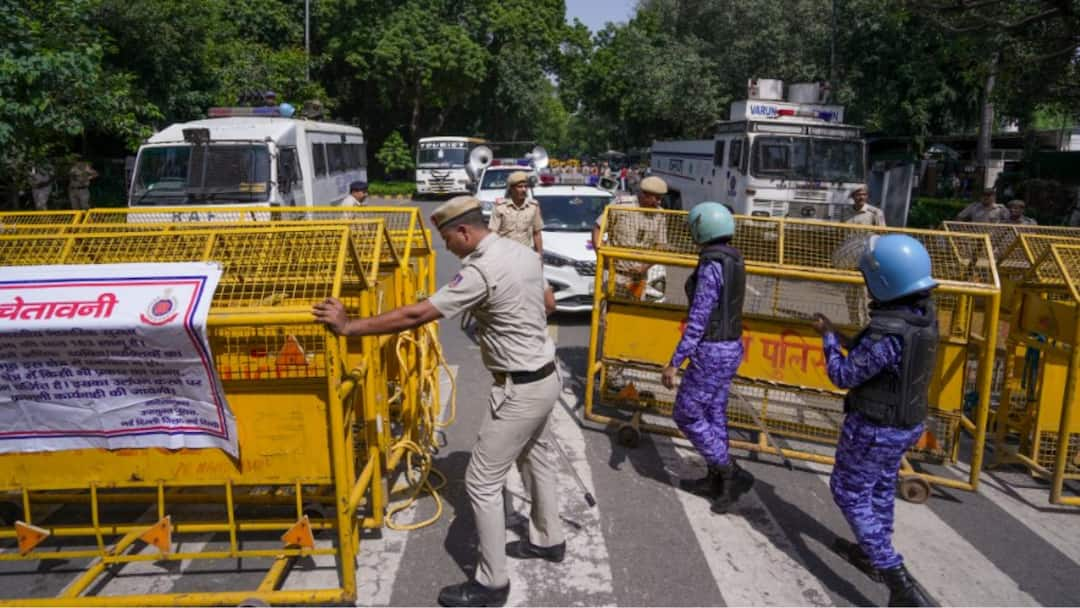
The Supreme Court has said that no group can occupy a public space indefinitely in the name of protest, stressing that the impact on ordinary people’s livelihoods must be considered. A bench led by Chief Justice of India Surya Kant made the observation while hearing petitions linked to October demonstrations in Delhi this week against Chief Election Commissioner Gyanesh Kumar. The hearing examined designated protest sites, disruption to businesses and the rights of different groups to demonstrate peacefully, without allowing one group to monopolise public space for public protest venues here.
The petitioners opposed removing Jantar Mantar from designated protest venues. A traders’ body said repeated demonstrations had caused losses.
No Permanent Claim
Solicitor-General Tushar Mehta cited a July protest, saying permission was granted for one day but demonstrators stayed for 17 days. They tried to march towards Parliament without authorisation, arguing that protesters should be held accountable.
The Chief Justice said designated sites could be used by groups in turn. No organisation could claim indefinite possession or prevent others from demonstrating. He asked where farmers, workers, trade unions and homeless people could go to raise their demands.
Livelihoods At Stake
Senior advocate Mukul Rohatgi, for traders, claimed the protests caused losses of Rs 2,000 crore. He said festive-season market closures affected shopkeepers, tempo drivers, labourers and goods-transport workers.
Justice Joymalya Bagchi questioned whether protesters alone could be blamed for trade, noting that police barricades and orders to close shops might also have contributed.
Nine Categories
At Tuesday’s hearing, on November 3, lawyers raised concerns about women journalists’ safety, facial-recognition technology to identify protesters, and the closure of metro services, roads and internet access during demonstrations.
The court said the petitions had been grouped into nine categories. Each will be listed separately, with the order in which lawyers speak set.
Next Hearing
The court discussed opposition leaders’ march to the Supreme Court and allegations that Rahul Gandhi pushed a pregnant woman journalist. It listed the matter for November 23 and directed the petitioner to share the petition with all respondents so they could file replies.
Also Read: Qadeemi Masjid Must Be Removed For Central Vista Project, Centre Tells Delhi High Court
Disclaimer : This story is auto aggregated by a computer programme and has not been created or edited by DOWNTHENEWS. Publisher: abplive.com