ISLAMABAD- Tucker Carlson has warned of a possible American nuclear attack on Iran, but the political bomb he has dropped may have landed much closer to home, on Donald Trump’s Republican Party. His extraordinary warning, issued just hours before the November 3 midterm elections, raises a question that goes beyond another military confrontation: could a prominent conservative commentator be challenging Trump’s political credibility at the most sensitive moment for his party?
Carlson claims that Israeli Prime Minister Benjamin Netanyahu is pressing Trump to authorise a nuclear strike against Iran’s underground Pickaxe Mountain facility, and that a decision could come by November 7. The allegation remains unverified. Yet its timing is politically significant. By raising the prospect of a post-election nuclear decision before Americans vote, Carlson has brought a potentially consequential foreign policy issue into the final hours of the campaign.
The identity of the messenger matters as much as the message. Carlson is not a Democratic politician or a conventional liberal critic of Trump. He was once among the most influential supporters of the conservative movement that helped bring Trump to power. His audience includes Americans attracted by Trump’s promise to avoid costly foreign wars.
A similar warning from a Democratic leader might be dismissed by Republican voters as electioneering. Coming from Carlson, it raises a more uncomfortable question: is Trump moving towards the kind of military intervention he once promised to avoid?
Carlson does not need to establish that a nuclear decision has already been made for his warning to become politically relevant. It is enough to introduce uncertainty about Trump’s intentions. Whether that uncertainty changes votes is another matter, but it creates a controversy Republican candidates must confront.
The electoral context makes this particularly important. A Reuters/Ipsos survey completed on October 26 put Trump’s approval rating at 32 percent. Among registered voters, Democrats led Republicans by 47 to 36 percent in preferences for congressional control. The survey also identified widespread dissatisfaction with the cost of living.
Midterm elections are shaped not only by voters switching parties but also by turnout. A conservative unhappy with the possibility of another war may remain Republican yet feel less enthusiastic about voting. Conversely, the warning could motivate voters who favour a tougher policy towards Iran or regard Carlson’s allegations as an attempt to undermine Trump.
There is also a contradiction between Carlson’s warning and Trump’s own statements. In an October 15 interview, the president explicitly rejected using nuclear weapons against Iran, saying, “I wouldn’t use nuclear. We don’t have to.” He nevertheless discussed the possibility of further military action against Pickaxe Mountain. Carlson’s allegation therefore raises questions about whether Washington’s position has changed.
The proposed military objective deserves scrutiny. Carlson argues that the suspected underground facility is protected by rock too thick for conventional American weapons to penetrate. But even a nuclear strike would not guarantee the permanent destruction of Iran’s nuclear capabilities. The depth and layout of the facility remain uncertain, while scientific expertise cannot be eliminated by bombing. The political and humanitarian consequences of crossing the nuclear threshold would be immense.
Washington also faces questions about its previous claims. After the June 2025 strikes on Iranian nuclear facilities, Trump declared that the programme had been obliterated. Yet renewed military action followed in 2026, and further attacks are now being discussed. If earlier operations achieved their declared objectives, why is another strike necessary? If they did not, what guarantees would a nuclear attack provide?
Iran has consistently maintained that its nuclear programme is intended for peaceful purposes and has rejected military threats as a means of resolving the dispute. From Tehran’s perspective, the renewed discussion of attacks on nuclear facilities raises questions about Washington’s commitment to diplomacy. Yet Carlson’s intervention introduces another dimension: whether continued escalation against Iran is becoming a political liability for Trump within the United States itself.
The greater political danger for Trump lies within his own conservative movement. Carlson’s warning directly challenges the president’s promise to keep America out of costly foreign wars. It also raises questions about whether Netanyahu’s demands are influencing Washington’s decisions at the expense of American interests. For voters who embraced Trump’s America First agenda, the possibility of a nuclear confrontation with Iran creates an uncomfortable contradiction.
Carlson’s intervention could deepen existing divisions between conservatives who support military escalation and those who believe Trump has abandoned his commitment to avoiding foreign entanglements. Whether these concerns translate into lower Republican turnout or greater support for congressional oversight remains uncertain, but the warning has brought that disagreement into the final hours of the midterm campaign.
Could another attack nevertheless benefit Trump politically? Military operations can sometimes generate temporary public support when voters regard them as necessary and successful. Some conservatives may welcome stronger action against Iran. But a nuclear strike would be fundamentally different. Trump would have to explain why conventional force and diplomacy were insufficient, while confronting the possibility of regional retaliation, economic disruption and international condemnation.
Carlson has also placed Netanyahu’s political interests at the centre of the debate. He alleges that the Israeli prime minister is pressing for escalation partly because of his difficulties following Israel’s recent election. That interpretation remains Carlson’s, not an established account of Netanyahu’s motives. Even if renewed conflict offered Netanyahu a political advantage, it would not follow that the same decision served Trump’s interests.
Carlson may be trying to prevent a nuclear decision by exposing alleged discussions to public scrutiny. He may also be challenging Trump’s leadership. His precise motives cannot be established from the post alone. What is clear is that his warning has connected the possibility of nuclear escalation with an imminent American election.
The central issue is no longer only whether America might attack Iran. It is whether Trump’s handling of that possibility is consistent with the promises on which he built his political movement.
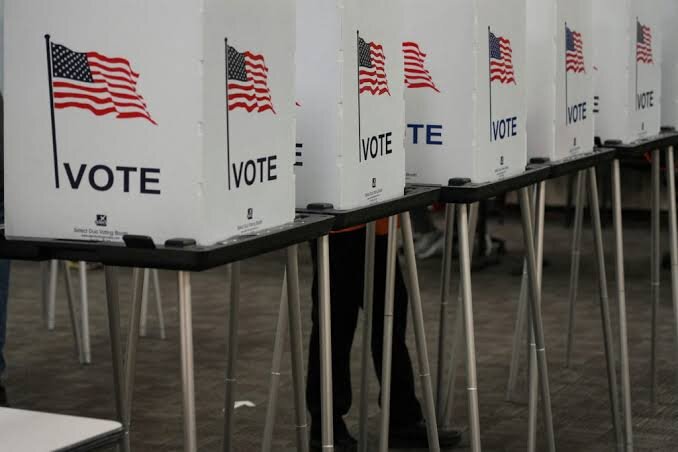
On November 3, Americans will decide the balance of power in Congress. Carlson says a nuclear decision could follow by November 7. Whether his warning proves accurate or not, the proximity of those dates has made its political implications impossible to ignore.
Disclaimer : This story is auto aggregated by a computer programme and has not been created or edited by DOWNTHENEWS. Publisher: tehrantimes.com