
Kiran Rao finds poetry in the ordinary and meaning in the overlooked. From the restless rhythms of Mumbai in Dhobi Ghat to the quiet rebellion of Laapataa Ladies, her cinema gently questions the world we take for granted. As a filmmaker and producer, she has championed stories that find extraordinary truths in everyday lives. Her sensibility is both tender and questioning, drawn to the dreams, dilemmas and quiet courage of people often left on the margins. In a snappy interview, she explains her work ethics and more..
Filmmakers who are taken seriously are often expected to constantly make important or meaningful cinema…
Absolutely. The moment you start thinking about what kind of filmmaker you are supposed to be, it can restrict you creatively. For me, the best work comes from curiosity rather than a desire to prove something. A film doesn’t have to announce that it has something important to say. It can be entertaining, strange, horrific or simply emotional. It can still have something meaningful to say. I would much rather follow an instinct than an expectation.
Your films have always had a strong city aesthetic.
For me, a location is never just a backdrop. The city, a village, a house, a railway station, all of these spaces have their own rhythms, textures and histories. They inevitably influence the characters who inhabit them. Spaces innately inform the energy of the image, allowing a story to breathe and make the world feel lived-in rather than constructed.
What has been the biggest creative risk you’ve taken?
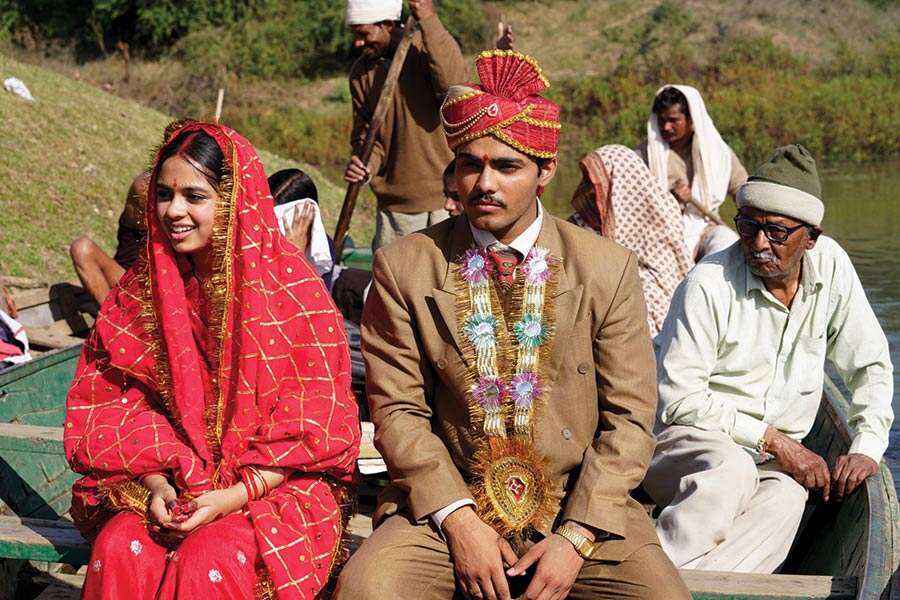
Making Dhobi Ghat was certainly one of them. It was an unconventional film, structurally and tonally. I didn’t really know how audiences would respond to it. But I was more interested in making the film I wanted to make, than in trying to make it fit comfortably into an existing category. Every time you make something that doesn’t have an obvious template, you’re taking a risk. And that uncertainty is also what makes it exciting.
What makes you recognise that a particular independent film or filmmaker is worth backing?
I’m drawn to stories that are engaging with the world and the realities around us, by filmmakers who are curious and willing to take risks. Sometimes you watch something and you can immediately sense that there is an original voice
behind it. That’s exciting to me.
What are the challenges you face while directing a film with an ensemble cast versus main leads?
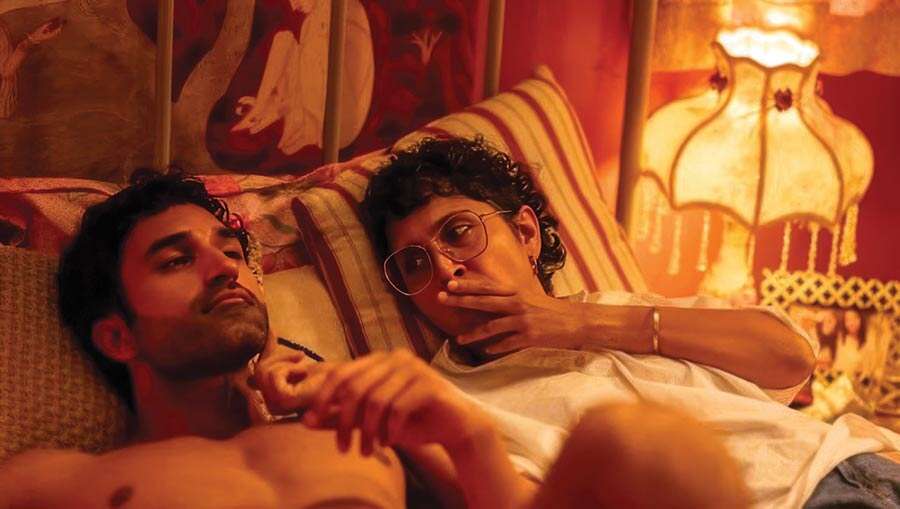
An ensemble cast is both challenging and rewarding. Challenging simply because of the timing and pitch of performances which one has to choreograph. And rewarding because it’s always a lot of fun working with a group of actors – a bit like conducting an orchestra. With main leads it’s more about trust and working with an actor to bring the character to life.
You began your journey in cinema as an AD, working with filmmakers like Ashutosh Gowariker and Mira Nair on Lagaan and Monsoon Wedding. What was that experience like and how did that shape you as a filmmaker?
Working on the set is one of the best educations one can get, so in that sense I have been fortunate to work with incredible filmmakers and understand how much goes into making a film beyond what we eventually see on screen. On Lagaan, I learnt a lot about scale, discipline and the sheer commitment it takes to bring a large vision together. With Monsoon Wedding, I experienced a different energy, more intimate and spontaneous. What I learnt early on was that you are also constantly responding to actors, locations, circumstances and the people around you. That understanding has stayed with me.
You have witnessed the industry evolve from the early 2000s to the streaming era. What changes have you perceived?
Streaming has definitely opened up space for new voices, allowing for experimentation and diverse subject matter in storytelling. At the same time, there is so much content available now, and many other kinds of entertainment compete for an audience’s attention. Coupled with the lack of growth in cinema infrastructure, this has led to too much pressure on first-weekend numbers, with films needing high marketing budgets to compete and not getting a chance to grow through word of mouth.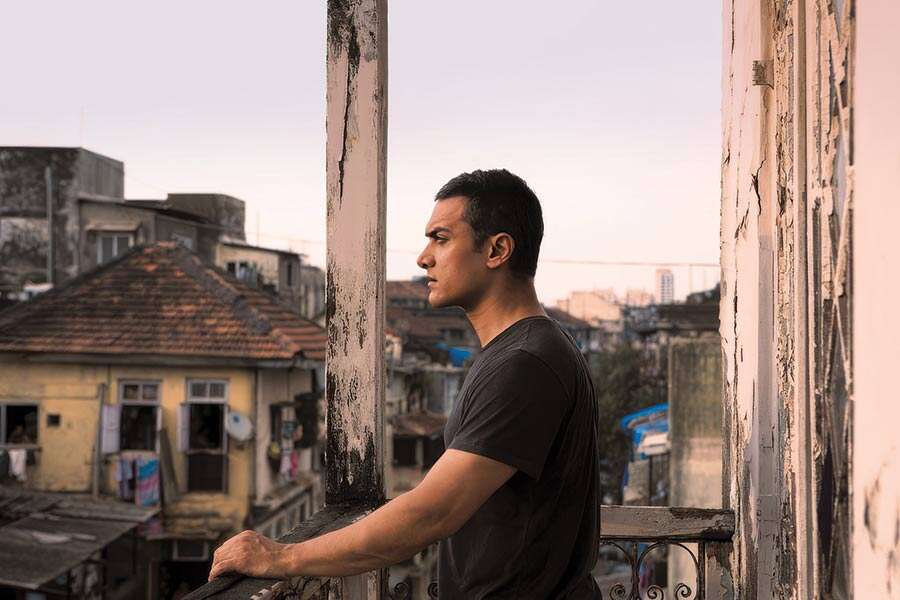
Do you think manufactured buzz kills genuine audience interest?
I don’t think manufacturing a perception of success really ends up working all the time, but a lot of films do it and are successful at it. I believe if people genuinely love something, they become its most powerful ambassadors. There has to be some trust in the audience that they are smart enough to see through manufactured gimmicks.
Also Read : Kiran Rao Wants to Bring K-Drama Reply 1988 to India
Disclaimer : This story is auto aggregated by a computer programme and has not been created or edited by DOWNTHENEWS. Publisher: filmfare.com