From almonds to pepitas, a serve of mixed nuts and seeds in your daily diet is an easy way to reap the wide range of nutritional benefits different varieties offer.

Of all the wholefoods we can include in the diet, nuts and seeds are close to the top of the list when it comes to nutrient density.
Rich in a number of essential vitamins and minerals, nuts and seeds may be relatively high in fat but regular intake is not associated with weight gain. Including a daily serve of 30 grams of nuts and seeds in your diet is associated with longer lifespans, heart health and a reduced risk of developing type 2 diabetes.
Ultimately, all nuts and seeds are a good choice nutritionally. If you were to rank them, these are the options that come out on top, and the best ways to include them in the diet regularly.
Chia seeds
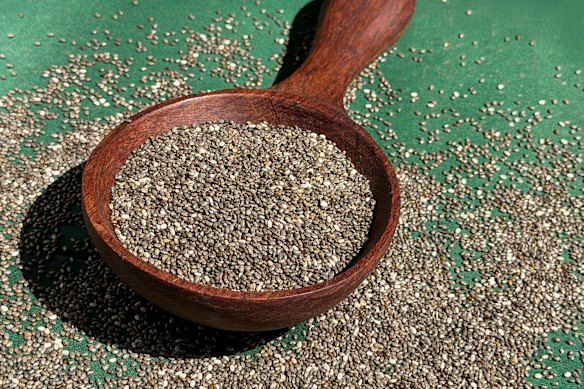
Chia seeds have been around forever, but these nutritional powerhouses have only relatively recently gained popularity and superfood status, regularly boosting smoothies and breakfast bowls. Found in both black and the more rare white varieties, both offer the same nutritional properties and can absorb significant amounts of fluid, which gives them the gelatinous texture when added to liquids.
The best recipes from Australia’s leading chefs straight to your inbox.
They are one of the richest natural sources of plant-based omega-3 fats, and are known for their powerful anti-inflammatory properties in the body, with a single 30g (2 tablespoons) serve of chia offering five grams of these fats, otherwise found in only a handful of foods. Chia seeds also offer close to 10 grams of dietary fibre per serve and four to five grams of well-absorbed protein, as well as calcium, magnesium and phosphorus, making them a smart choice for bone health.
Good for: Everyone but especially vegetarians and vegans trying to maximise the nutrient content of their diet
Look out for: Seeds that are not black or white, and have a brown tinge, which are likely to be rancid
Try: Added to your favourite yoghurt, cereal or smoothie for a fibre and omega-3 hit
Linseeds
Also known as flaxseeds, and found as both whole seeds and ground down into powder, linseeds offer a high level of plant-based omega-3 fats. Linseeds are an especially smart dietary addition for peri- and menopausal women as they act as phytoestrogens in the body, mimicking the role of oestrogen.
The lignans they naturally contain have been shown to help reduce menopausal symptoms including hot flushes and as such, linseeds are often used in breads and cereals marketed to women. Best consumed ground down to maximise nutrient absorption, linseeds add significant amounts of dietary fibre, magnesium and copper to the diet.
Good for: Everyone but especially peri- and menopausal women
Watch out for: The naturally high omega-3 content means that these seeds oxidise quickly and as such, need to be stored in dark conditions or ideally the fridge or freezer to preserve their function
Try it: Add to bake goods or add ground powder to baking and smoothies to boost your omega-3 and fibre intake
Walnuts
Walnuts are the stand-out of all nuts thanks to their exceptionally high amount of plant-based omega-3s. Walnuts, like all nuts, have a high proportion of fat, meaning that a 30g serve of walnuts or roughly seven to 10 whole nuts equate to more than 18g of fat per serve and almost 200 calories, but of these fats, more than 2g of these are the plant-based omega-3s, or more than your entire daily requirement.
Walnuts also offer a high proportion of the micronutrients copper and manganese, which are found in few other foods. A daily serve of walnuts has been shown to help clinically lower LDL cholesterol level and improve arterial function in the body. There is also evidence to show that regular consumption helps to preserve cognitive function as we age.
Good for: Everyone but especially people who do not eat or like seafood, and as such need more omega-3s in their diet, and those with a family history of dementia
Watch out for: Old nuts that are soggy rather than crunchy, suggesting their fat profiles may have changed
Try it: Add five to seven walnuts as a daily snack to help optimise your intake of plant-based omega-3s
Almonds
A popular snack option, almonds have slightly more protein than other nuts, offering 6g of protein per 30g serve or roughly 20 nuts. But it is their high vitamin E content that makes them a standout nutritionally. A single serve offers close to half our recommended daily intake of vitamin E, which is important for healthy skin and helps to protect the body’s cells from damage.
With evidence showing that regular almond consumption supports healthy blood fat levels, a daily serve of almonds is an especially good option for those wanting calorie control, with 20 to 30 per cent of the fat found in almonds remaining trapped in their thick skin, passing through the digestive system unabsorbed. Also, rich in magnesium and dietary fibre, almonds enjoyed with their skin are another nutrient-rich nut.
Good for: Protein- and nutrient-rich snacks
Watch out for: Flavoured varieties that have added sugars and fats
Try it: Dry roasting your almonds and enjoying them as a crunchy addition to salads
Pumpkin seeds or pepitas
Like all seeds, pepitas are high in calories and fat, offering more than 150 calories and 14g of fat per 30g serve. But pepitas offer higher amounts of protein than most other seeds and nuts, with almost 9g of protein per 30g, along with significant amounts of magnesium, zinc, iron and vitamin E.
This makes them an especially nutrient-dense dietary addition for women in particular. Pepitas are also a versatile addition to salads, yoghurts and baked goods.
Good for: A protein boost to snacks and baking
Watch out for: The calorie load – stick to a couple of tablespoons to keep calories controlled
Try it: Baked in the oven with a little honey for a few minutes as a crunchy, tasty addition to salads
Brazil nuts
Not a nut that you hear about as frequently as others, Brazil nuts deserve special mention in the nut hall of fame thanks to their exceptionally high selenium content. This nutrient is found in only a small handful of foods but plays a key role in the regulation of metabolism, cellular health and prostate health in men.
The key message with Brazil nuts is that more is not the goal; including just one or two in your diet each day will tick the box on your selenium intake without adversely affecting your overall fat or calorie intake.
Good for: Everyone, but men in particular to support prostate health
Watch out for: Old nuts – Brazil nuts need to be enjoyed fresh to preserve their natural nutrient content
Try it: As a daily addition to your trail mix or chopped into your cereal or yoghurt each day
 Susie Burrell is an accredited practising dietitian and nutritionist.
From our partners
Disclaimer : This story is auto aggregated by a computer programme and has not been created or edited by DOWNTHENEWS. Publisher: www.smh.com.au